
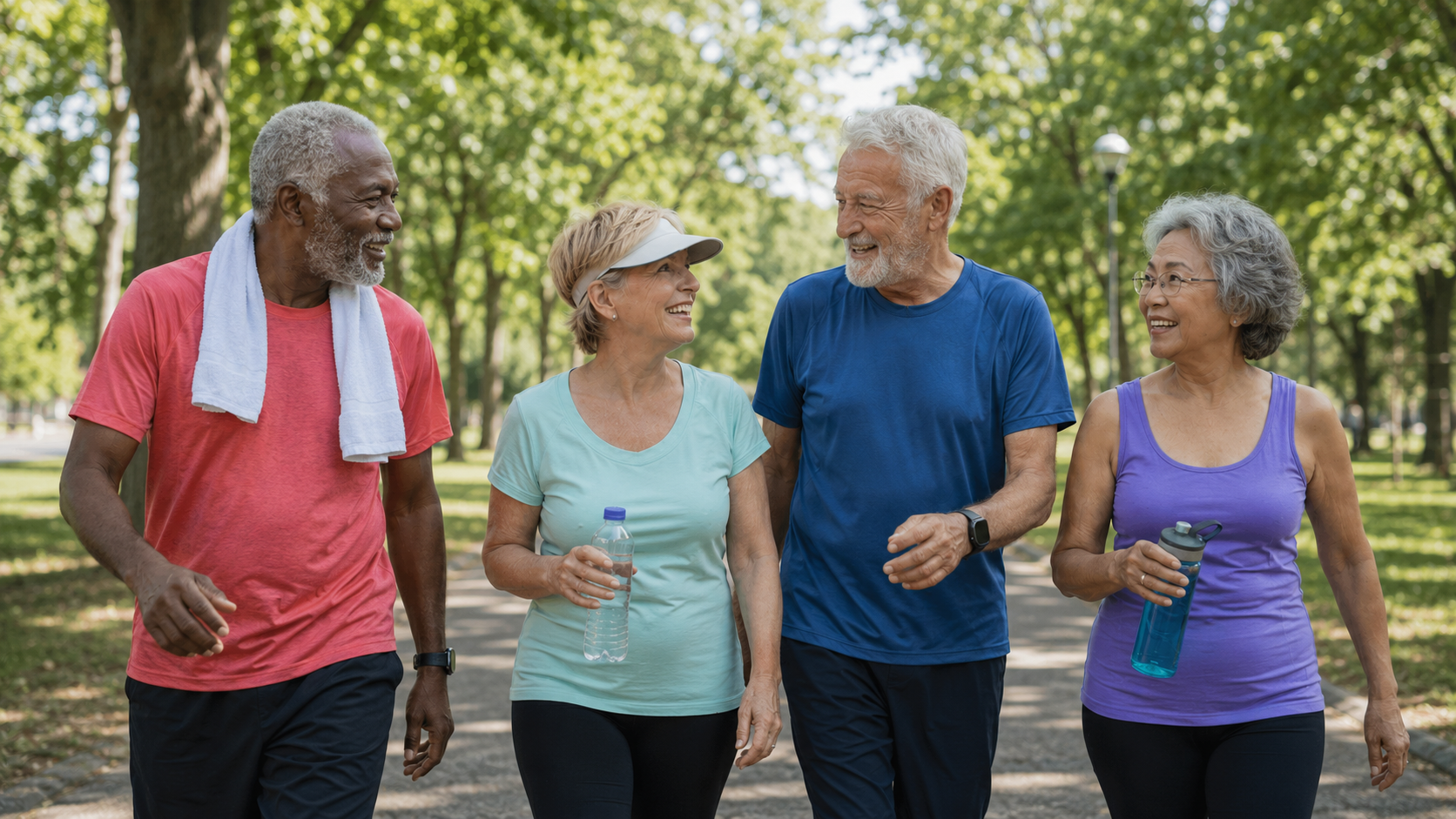
When people think about aging, they often focus on the number of candles on the birthday cake. Yet researchers increasingly recognize that chronological age tells only part of the story. Two people can be the same age on paper and have very different levels of physical function, cognitive health, energy, and independence.
That is why many longevity experts are shifting the conversation away from simply living longer and toward living better. Healthy aging is less about adding years and more about maintaining the ability to enjoy life, pursue your interests, stay active, and remain independent for as long as possible.
According to longevity expert Dr. Gil Barzilay, “The goal isn’t simply to live longer. It’s to maintain quality of life, independence, and wellbeing throughout those years.” That perspective shifts the focus away from age itself and toward how well we’re able to live, move, think, and engage with the world around us.
If you’ve ever wondered how well you’re aging, these signs may be more meaningful than the number on your driver’s license.
1. You Can Easily Get Up From the Floor
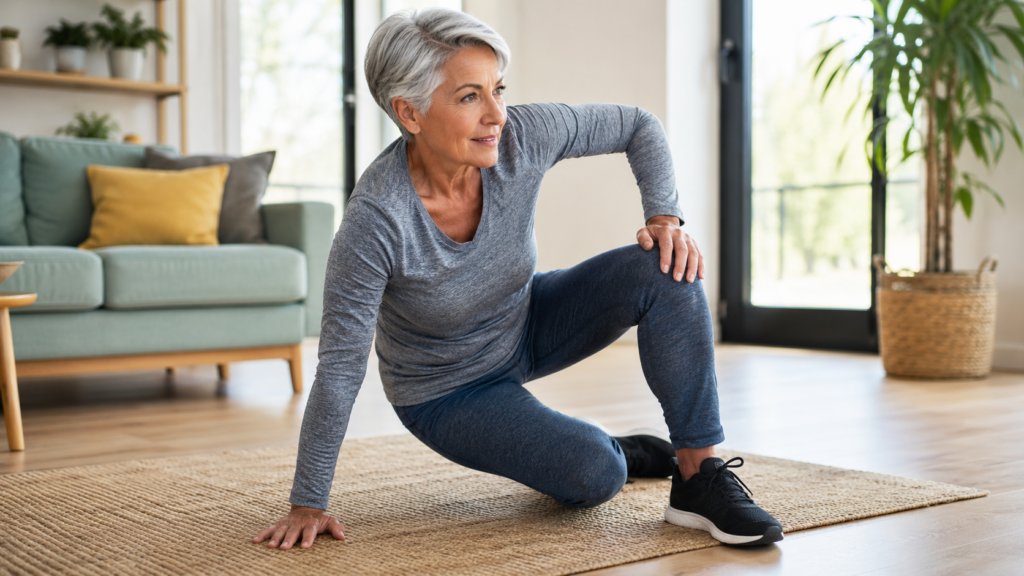
It may sound simple, but your ability to sit on the floor and stand back up without assistance reflects several important aspects of healthy aging. Strength, flexibility, balance, coordination, and mobility all play a role in this movement.
Researchers have found that physical function can be a powerful indicator of future health outcomes, and maintaining the ability to move comfortably through everyday activities often matters more than achieving a particular weight or clothing size. The National Institute on Aging’s recommendations for exercise and physical activity also emphasize the importance of strength, balance and regular movement as we get older.
2. You're Still Curious About Life

One characteristic that appears again and again among people who age successfully is curiosity. They continue learning, asking questions, exploring hobbies, and seeking new experiences. Whether you’re experimenting with a new recipe, learning a language, taking a class, or planning your next adventure, curiosity helps keep the mind engaged and challenged.
Research from the National Institute on Aging on cognitive health suggests that mentally stimulating activities can help support cognitive health throughout life.
According to Dr. Barzilay, healthy aging is not limited to physical wellbeing. Continuing to challenge the brain and remain engaged with new experiences can play an important role in maintaining overall vitality and quality of life.
3. You Recover Well After a Busy Day
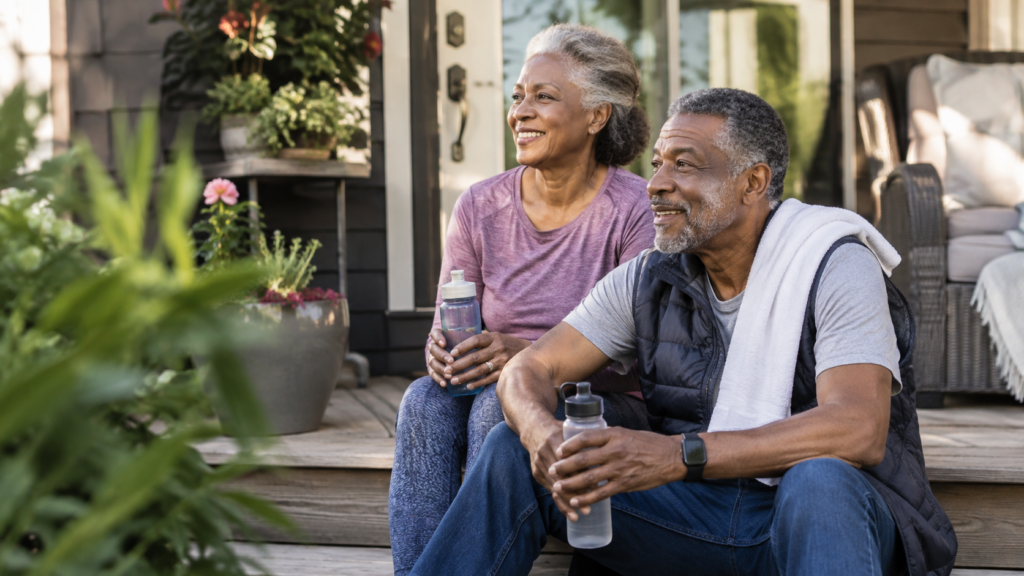
A day spent traveling, gardening, sightseeing, volunteering, or playing with grandchildren should leave you pleasantly tired, not completely depleted for days afterward. Recovery is often an overlooked marker of health, yet it reflects how effectively the body adapts to physical and mental demands.
In his recent article on longevity, Dr. Barzilay explains that healthy aging is often the result of consistently supporting the body’s natural systems rather than searching for quick fixes. The ability to recover from activity and return to your normal routine is one encouraging sign that those systems are functioning well.
4. You Have Strong Friendships and Meaningful Relationships
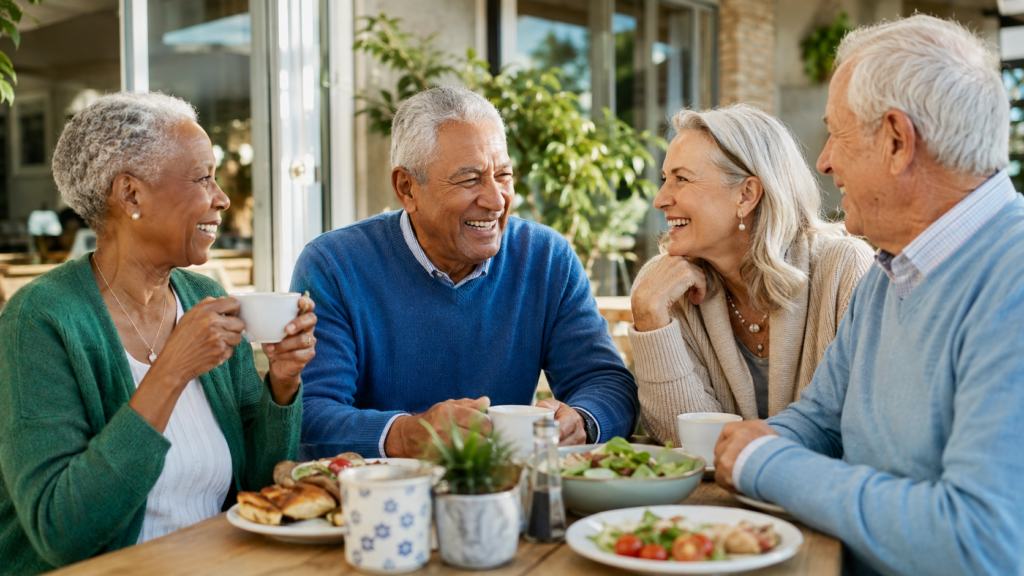
Healthy aging is not only about what happens inside the body. Relationships play an enormous role in overall wellbeing. The renowned Harvard Study of Adult Development, one of the longest-running studies of human health, has found that strong relationships are among the most important factors associated with happiness and wellbeing throughout life.
Social connection is also one of the pillars highlighted by Dr. Barzilay in his discussion of longevity. He notes that people with strong relationships often enjoy better health outcomes and a higher quality of life as they age. Those weekly lunches, phone calls, volunteer activities and family gatherings may be doing more for your wellbeing than you realize.
5. You Feel Steady on Your Feet
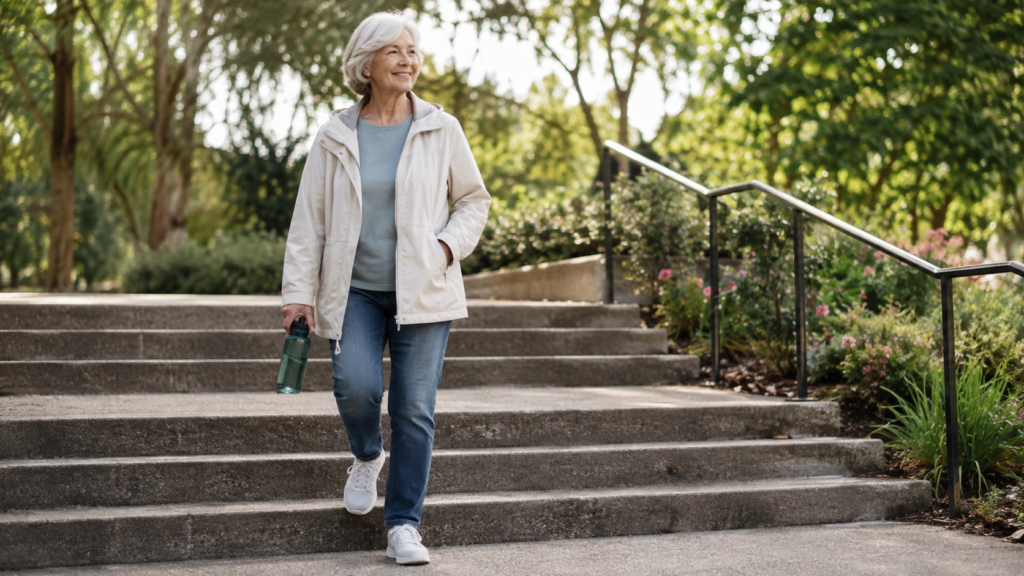
Balance often receives little attention until it begins to decline. However, maintaining good balance is one of the strongest indicators of mobility and independence. Activities such as walking on uneven ground, climbing stairs, carrying groceries or navigating crowded spaces all require coordination and stability.
This is a better illustration of balance than somebody obviously “testing their balance.” She’s simply navigating stairs confidently during everyday life, which fits the article much better. Feeling confident and steady during everyday activities is a positive sign that your body continues to function well.
6. You Still Make Plans for the Future

One of the most encouraging signs of healthy aging has nothing to do with cholesterol numbers or fitness trackers. It’s having something to look forward to. Whether you’re planning a family gathering, booking a vacation, joining a volunteer project, or simply anticipating lunch with a friend, future-oriented thinking reflects optimism and engagement.
People who continue setting goals and creating plans often remain connected to the activities and relationships that enrich life. Looking ahead with excitement is often a sign that you’re still actively participating in the world around you.
7. You Can Carry Your Own Groceries

Everyday strength is one of the most practical measures of healthy aging. Carrying shopping bags, lifting a suitcase, moving a box, or picking up a grandchild all require functional strength that supports daily independence. Researchers at the National Institute on Aging emphasize that physical activity and strength are important for mobility and the ability to continue performing everyday activities as we age.
While many people focus on appearance-based measures of aging, Dr. Barzilay encourages a broader perspective. Functional strength and the ability to manage everyday tasks often have a much greater impact on long-term wellbeing and independence.
8. You Adapt Well to Change

Life rarely unfolds exactly as planned. Technology evolves, families grow, routines shift and circumstances change. One hallmark of successful aging is adaptability. People who remain flexible and open to change often navigate life’s transitions more smoothly and experience less stress when facing new challenges.
Adaptability isn’t about loving every change. It’s about maintaining the confidence that you can learn, adjust and continue moving forward when circumstances evolve. That resilience often becomes one of the greatest strengths people develop with age.
9. You Laugh Often
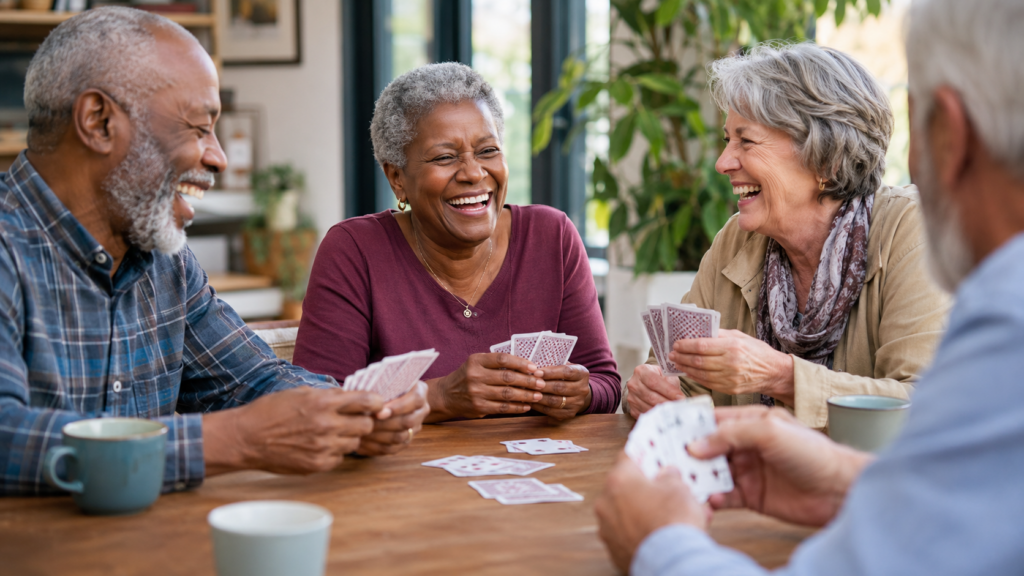
Laughter may not appear on medical charts, but it remains one of life’s simplest pleasures. Researchers continue to explore connections between positive emotions, social connection, stress and overall emotional wellbeing. If you find yourself laughing with friends, family or even at your own occasional mishaps, you’re participating in one of the everyday experiences that can contribute to a rich and fulfilling life.
10. You Still Enjoy Everyday Moments
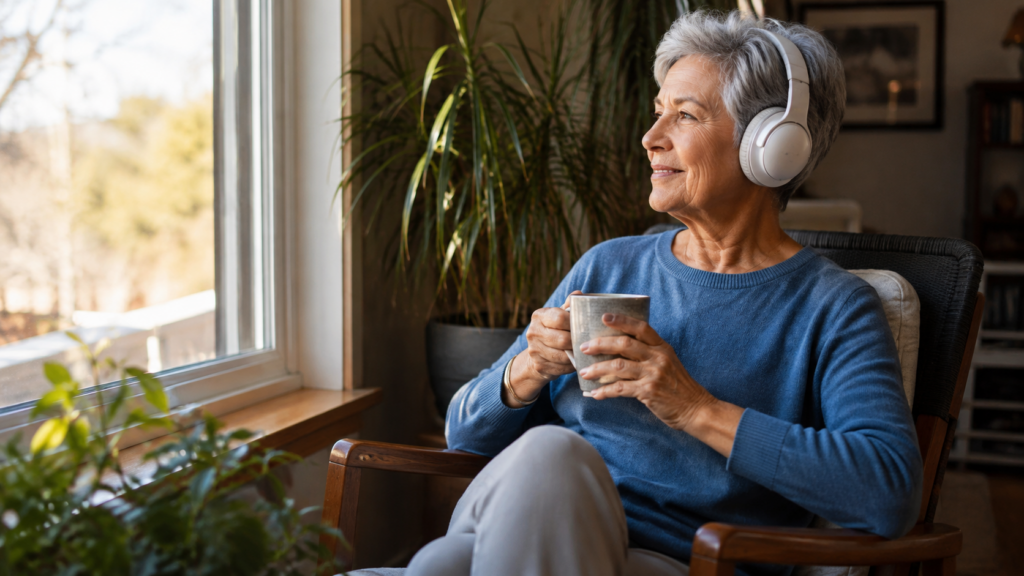
Healthy aging is not measured solely by major achievements. Sometimes it is reflected in the ability to appreciate ordinary moments. A morning cup of coffee, a walk through the neighborhood, a favorite song on the radio or a conversation with a friend can all bring joy and satisfaction.
People who remain engaged with life’s small pleasures often report greater happiness and emotional wellbeing. Appreciating these moments doesn’t stop the aging process, but it can make every stage of life more rewarding.
The Real Measure of Aging Well
It’s easy to become preoccupied with numbers. Age, weight, blood pressure readings and lab results all have their place. Yet healthy aging is about far more than statistics. It is about maintaining the ability to do the things that matter most to you. It is about staying connected, continuing to learn, remaining active and preserving your independence for as long as possible.
As Dr. Gil Barzilay writes in his article on healthy longevity, “A real biohacker is someone who consistently builds healthy habits that match their age, goals, and lifestyle. Someone who works with their biology rather than against it.” Those habits may look different for everyone, but the goal remains the same: maintaining vitality, independence and enjoyment of life for years to come.
This content is for informational purposes only and is not intended as medical advice. Always consult your healthcare provider before making changes to your diet, exercise routine, or health care plan.
About the contributor

Dr. Gil Barzilay, PhD, Dipl CM (IATCM, ETCMA) is an integrative medicine expert specializing in sleep, metabolism, and healthy aging. He combines Chinese medicine with modern, evidence-based science to help adults improve sleep, maintain energy, and feel their best through midlife and beyond.
He shares practical wellness guidance, research, recipes, and at-home strategies across his website and online communities.
Learn more and connect with Dr. Barzilay:
Website
Facebook Page
Midlife Wellness: Recipes, Research & Tips
WhatsApp Wellness Group