For decades, travelers with mobility devices, chronic conditions, or stamina limits faced a choice between mainstream group tours that merely tolerated them and staying home, and the tour industry’s standard answer, call us and we’ll see, told them everything about their place in the itinerary. That era is ending. A generation of accessible tour companies has built the trip from the wheelchair up, with adapted vehicles, personally verified hotels, pacing designed for real bodies, and guides trained in access rather than improvising it, and the category is growing fast as the industry wakes up to tens of millions of travelers with disabilities and the enormous spending power they represent. Here’s what these companies actually do differently, and how to choose a good one.
What Designed-Accessible Actually Means
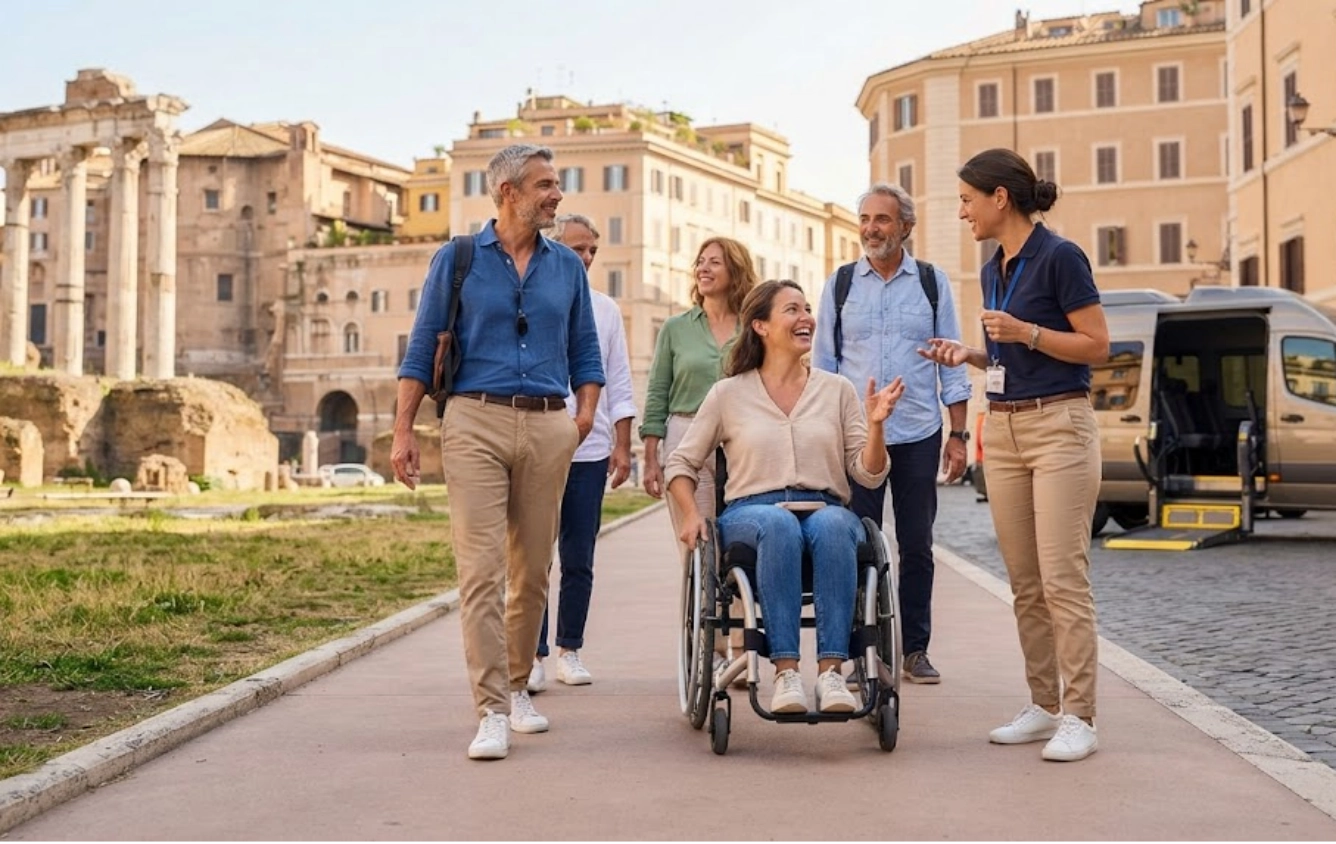
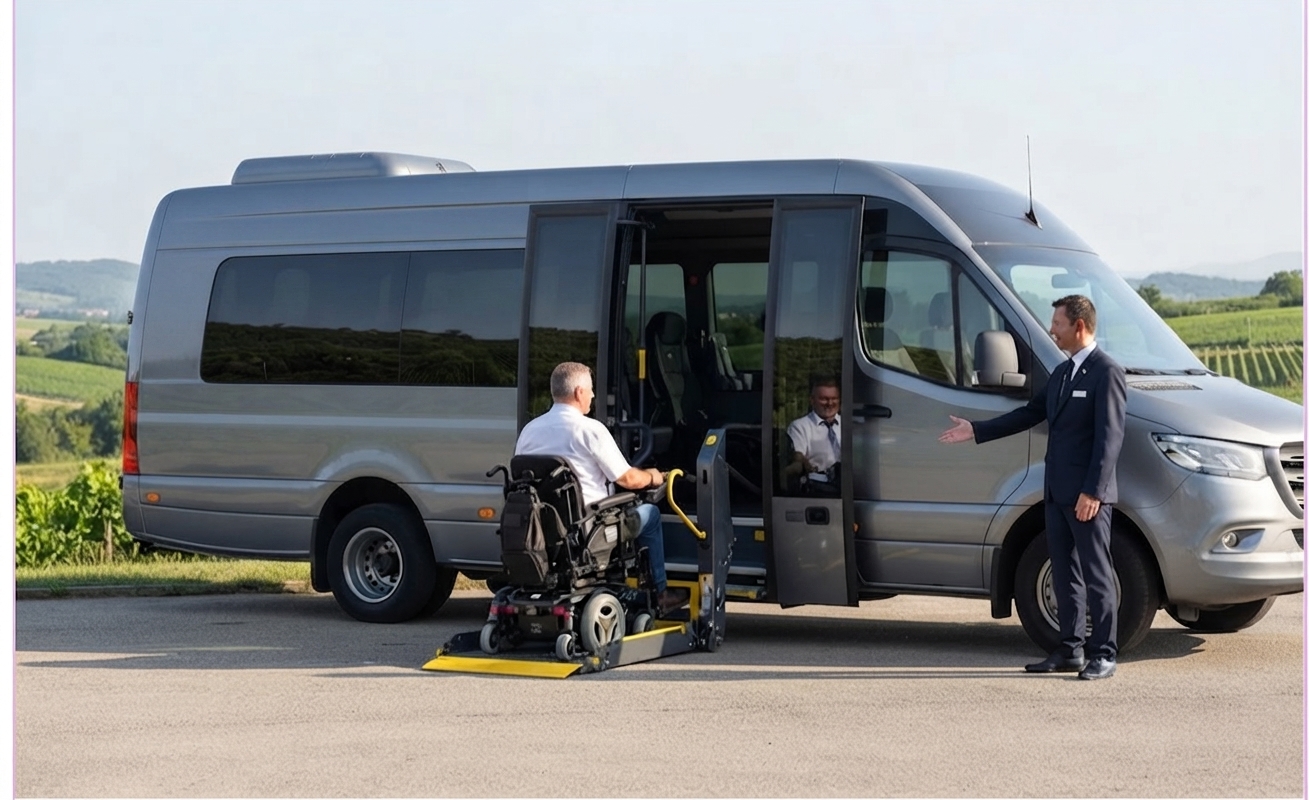
The difference between an accessible tour and a regular tour with a ramp is architectural, and it shows up in five places. Vehicles come adapted, with lifts or ramps and wheelchair securement, rather than coaches with steep steps and hopeful assistance. Hotels are verified in person by the operator, roll-in showers measured and photographed, not booked off a checkbox, applying professionally the same diligence we teach travelers in our hotel accessibility questions guide. Itineraries are paced honestly, with shorter walking distances, step-free routes scouted in advance, accessible restroom stops mapped along the way, and rest built in as design rather than delay.
Guides are trained in transfers, equipment, and the etiquette of assistance, and group sizes run small enough that no one becomes the group’s logistics problem. And the good operators ask detailed pre-trip questions about your equipment, your transfers, and your needs, because the answer shapes the trip, which is precisely the point. Many also serve specific communities exceptionally well, from slow-walker tours pitched at travelers who don’t use wheels but can’t march, to trips designed for blind and low-vision travelers with rich audio description, to cruises with dialysis support on board.
Why Group Format Works So Well for Accessible Travel
Group travel solves accessible travel’s heaviest burden, which was never the destination but the logistics, the dozens of verification calls, the adapted van rentals, the contingency planning that made every trip a part-time job. On a designed-accessible tour, that labor is the product you’re buying, done by professionals with local relationships, leaving you the actual vacation. The format also delivers something subtler that veterans of these trips mention constantly: the company of people who get it, where no one apologizes for a rest stop and the pace belongs to everyone.
For solo travelers, the format shines brightest of all, providing built-in companionship and a safety net that makes first big trips, or first trips after a diagnosis, genuinely approachable, part of the broader boom we covered in our story on the surge in solo travel over 55. Destinations have followed the money, and accessible operators now run everywhere from European capitals and river cruises to safaris with adapted vehicles and Galapagos expeditions.
How to Vet an Operator
Because accessible has no legal definition in tourism, vetting is your protection, and five questions separate the professionals from the marketers. Ask how they verify hotels, and expect the answer to involve their own staff, measurements, and photos. Ask about vehicles, specifically lifts, securement points, and what happens with multiple power chairs. Ask for the day-by-day walking distances and surfaces, which real operators have documented to the block. Ask what happens when equipment breaks, since established companies maintain repair relationships in every destination. And ask for references from travelers with needs like yours, which good operators provide proudly.
Cross-check companies through the disability travel community itself, including the member operators and resources of the Society for Accessible Travel & Hospitality, the industry’s longtime standards advocate, and the destination guides and operator reviews at WheelchairTravel.org. Pricing runs somewhat above mainstream tours, reflecting adapted vehicles and smaller groups, and it’s the rare travel premium that buys something measurable.

The Bigger Story
One traveler who uses a power chair told us about standing at the rail of an adapted boat under Iguazu Falls, on a tour where the question all week had never been whether she could come along but only what she wanted to see next, and that inversion is the industry’s real product.
The rise of accessible tour companies isn’t a niche getting served. It’s travel finally being designed the way it always claimed to be, for everyone who wants to go. The companies figured out what travelers knew all along: the needs were never special. They were just real, and real needs, properly planned for, turn out to be no barrier at all.

Written by the
ZestYears Editorial Team
Type your paragraph here