
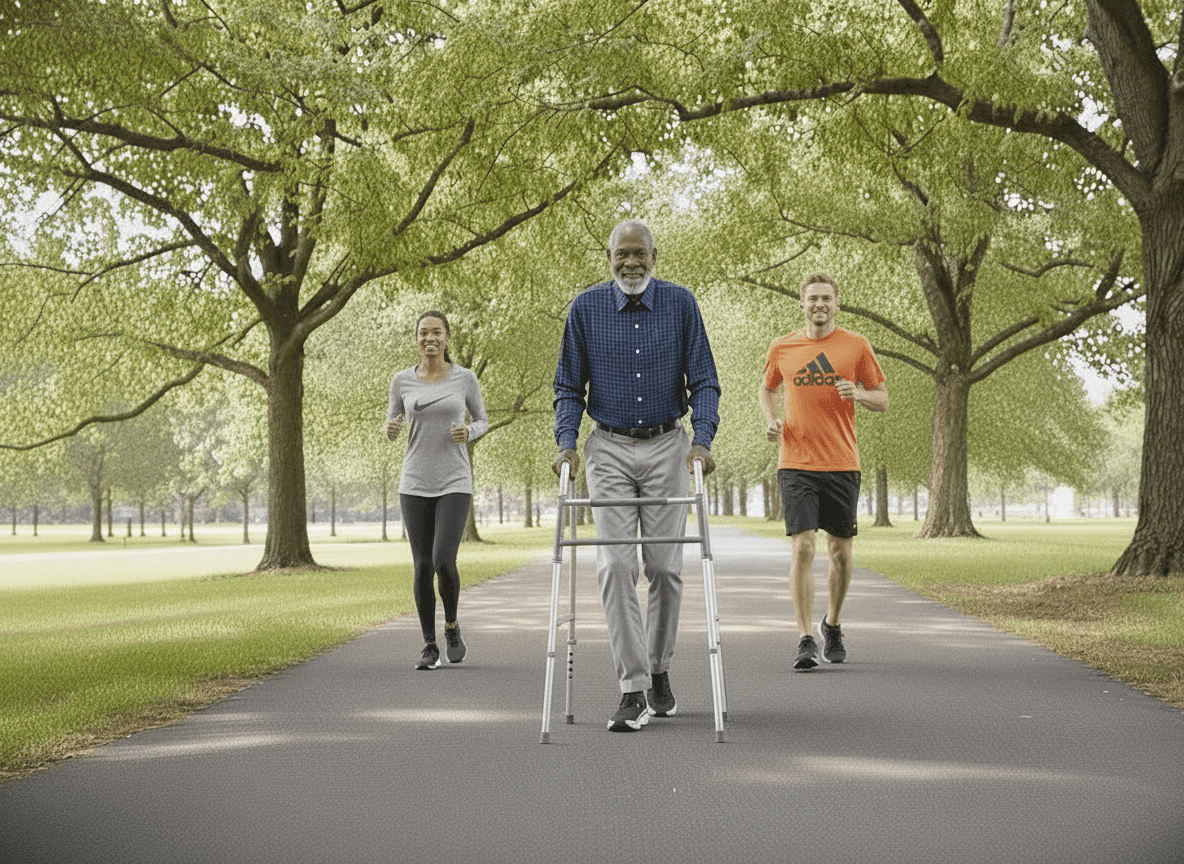
Say goodbye to stiff, clinical-looking clothes and hello to smart designs that quietly make life easier. Today’s adaptive wear blends magnetic closures, glide-enhanced soles, and flexible fabrics into clothing and shoes that support movement, comfort, and confidence, all while looking like something you actually want to wear.
If you’re reading this, chances are something has shifted. Maybe getting dressed takes longer than it used to. Maybe buttons, zippers, or shoes feel harder to manage. Or maybe you’re helping a parent, partner, or loved one who wants to stay independent but could use clothing and footwear that works with their body instead of against it. Adaptive wear meets all of those moments with solutions that feel empowering, not limiting.
What Is Adaptive Wear and Why It Matters
Adaptive clothing and shoes are designed to make everyday tasks like getting dressed and walking safer and easier for people with limited mobility, dexterity, balance, or strength. And this isn’t a niche need. According to the American Occupational Therapy Association, more than 18 million Americans live with limited hand mobility. That can show up as trouble with buttons, snaps, or pulling clothing into place.
Falls are another common concern. The Centers for Disease Control and Prevention reports that one in four adults over 65 experiences a fall each year, with more than half happening at home. Often it’s not a dramatic slip. It’s catching a toe on a rug, losing balance while turning, or feeling unsteady in the wrong shoes.
These challenges don’t only affect older adults. People recovering from surgery, managing chronic conditions like Parkinson’s disease, arthritis, multiple sclerosis, or stroke, or dealing with temporary injuries often face the same daily hurdles.
What has changed is the design mindset. Today’s adaptive wear is not focused solely on function. It prioritizes dignity, independence, and confidence. Magnetic closures, flexible waistbands, wide openings, and supportive soles are now built into modern, intentional designs. The result is less frustration, safer movement, and more moments of independence, for both the person wearing the clothing and the person helping them.
Two brands leading this shift are Joe & Bella and Cadense. We sent their products to our ZestYears product testers and spoke directly with their leadership teams. The takeaway was immediate. These do not feel like assistive products. They feel like everyday essentials that simply work better.
Joe & Bella: Everyday Clothing with Hidden Strength
We set out to expertly balance style and function to make clothes that people actually want to wear. — Jimmy Zollo, CEO of Joe & Bella
At first glance, Joe & Bella clothing looks like the kind of pieces already hanging in your closet: button-down shirts, comfortable pants, easy layers you would reach for without overthinking it. The difference becomes clear the moment you start getting dressed.
Hidden magnetic closures, flexible waistbands, and soft, breathable fabrics take the effort out of everyday movements. Buttons line up and close smoothly. Pants pull on without tugging, twisting, or losing balance. For anyone dealing with limited mobility, stiffness, or recovery, those small design details matter more than you might expect.
Our ZestYears product testers felt that immediately. One was recovering from knee surgery, the other from a stroke. Both noticed how intuitive the clothing felt, especially when balance or coordination was off. The magnetic shirt closed easily with one hand and looked just like a classic button-down. The pants offered enough stretch to move comfortably while staying secure throughout the day. As one tester put it, “I finally found adaptive pants that I actually want to wear.”
What stood out most was how normal everything felt. Not medical. Not obvious. Just well-made clothing that removed friction from the day. Getting dressed felt manageable again, which set a better tone from the very start.
Joe & Bella was founded after Jimmy Zollo watched his grandmother struggle with dressing while living in a memory care community during the COVID lockdown. The options available to her felt clinical and unappealing, and she refused to wear them. That experience sparked a clear goal: create clothing that supports changing bodies while preserving personal style and dignity.
Demand for adaptive clothing continues to grow. According to Coresight Research, the projected adaptive apparel market was expected to reach $54.8 billion globally by the end of 2025, as more people look for everyday clothing that offers comfort, ease, and modern design.
Today, Joe & Bella designs support a wide range of needs, including arthritis, limited hand mobility, Parkinson’s, stroke recovery, tremors, Alzheimer’s, dementia, incontinence, and increased fall risk. Shirts feature hidden magnetic closures that fasten quickly while looking traditional. Pants like the CareZips® include discreet side zippers that make bathroom breaks and assistance easier, which can be especially helpful for those managing incontinence or reduced mobility. Stretch fabrics, wide openings, and tagless designs keep comfort front and center all day.
For caregivers, this kind of clothing quietly changes the rhythm of daily life. Less rushing. Fewer moments of frustration. More opportunities for the person you’re helping to dress independently or with minimal assistance. According to the National Alliance for Caregiving, nearly one in five U.S. adults is a caregiver, and solutions that reduce physical strain and preserve independence matter deeply over time.
Joe & Bella apparel is available directly on their website and through select retailers, including Amazon, Macys.com, and SpinLife.
Zest Picks: Adaptive clothing
Want to try Joe & Bella for yourself? Use code ZestYears at joeandbella.com for 20% off sitewide. If you’re between sizes, we recommend ordering one size up for the best fit.


Step Confidently: Cadense Shoes for Better Mobility
One company we’ve been hearing about everywhere lately is Cadense Adaptive Shoes. With a growing buzz across social media, word-of-mouth, and physical therapist circles, Cadense is quickly becoming a standout name in adaptive footwear: blending comfort, function, and sleek design for every step of the journey. Footwear can make or break your mobility. And for those living with foot drop, MS, Parkinson’s, or general instability, finding a shoe that supports without looking clinical is no easy feat. That’s where Cadense comes in. Founded by MIT-trained mechanical engineer Dr. Tyler Susko, Cadense is a science-backed adaptive shoe brand that rethinks every step you take, literally.
What sets Cadense apart is its patented Variable Friction Technology. These adaptive sneakers feature embedded nylon “glide pucks” that help you move more smoothly during the swing phase of walking. When your foot lands with around 15 pounds of pressure, the pucks retract into the sole, engaging a high-traction rubber surface that keeps you steady. A rocker sole supports a natural stride, while Velcro closures and wide toe boxes make them easy to put on and adjust with one hand, all while looking like sleek, everyday sneakers.

We sent pairs to our ZestYears product testers for this article, and both immediately noticed the stylish design and easy fit. “They actually look like real sneakers,” one tester said. “Not like something from a medical catalog.” The other tester shared that the glide felt a little slick at first, but that quickly shifted once he understood how the shoes were designed to work. “Once I got it, it clicked. They’re training me to walk better.” His physical therapist, intrigued after seeing them in action, was excited to see this kind of innovation becoming available outside of clinical settings.
That gliding sensation is intentional. As CEO Johannes Sauer explained, Cadense shoes are designed to support smoother movement during the swing phase and then stabilize the foot as weight transfers, helping reduce trips while encouraging a more natural walking pattern. This approach is being taken seriously. Cadense is currently part of an NIH-funded clinical trial comparing its shoes to traditional ankle-foot orthoses (AFOs) for stroke recovery.
The personal stories speak volumes. One early customer with MS trained for a 5K and now calls her Cadense sneakers her “freedom shoes.” Another customer walked his daughter down the aisle after a stroke. These are the moments Cadense is built for.
Zest Picks: Adaptive Shoes
Zest Tip: Visit cadense.com to shop and try Cadense risk-free for 30 days. Use special code ZestYears at checkout for $10 off, exclusively for our readers.


Why Adaptive Wear Deserves a Spot in Your Closet
Adaptive wear is about more than physical needs. It’s about making daily life easier while holding onto personal style, independence, and confidence. Whether you’re navigating recovery, managing a condition, supporting someone you love, or simply choosing products that work smarter, today’s adaptive designs meet you where you are.
meet the experts

Cadense CEO
Johannes Sauer

Joe & Bella CEO
Jimmy Zollo
ZestYears interviewed the CEOs of both Joe & Bella and Cadense to dive into what inspires their work, what makes their adaptive designs so unique, and how they’re reimagining dignity and independence through fashion. These aren’t just clothing and footwear brands; they’re mission-driven companies on a path to redefine what adaptive wear can be. From thoughtful engineering to stylish design details, their innovations are rooted in real-world challenges faced by people with limited mobility, dexterity, and balance.
Both brands also took part in our ZestYears product testing program, where actual readers wore and reviewed the items in their daily lives. The results? Honest, firsthand feedback about the comfort, ease-of-use, and wearability of each product, proving that adaptive style can be both functional and beautiful.
Disclaimer: This page contains affiliate links. If you choose to make a purchase after clicking a link, we may receive a commission at no additional cost to you. Thank you for your support!