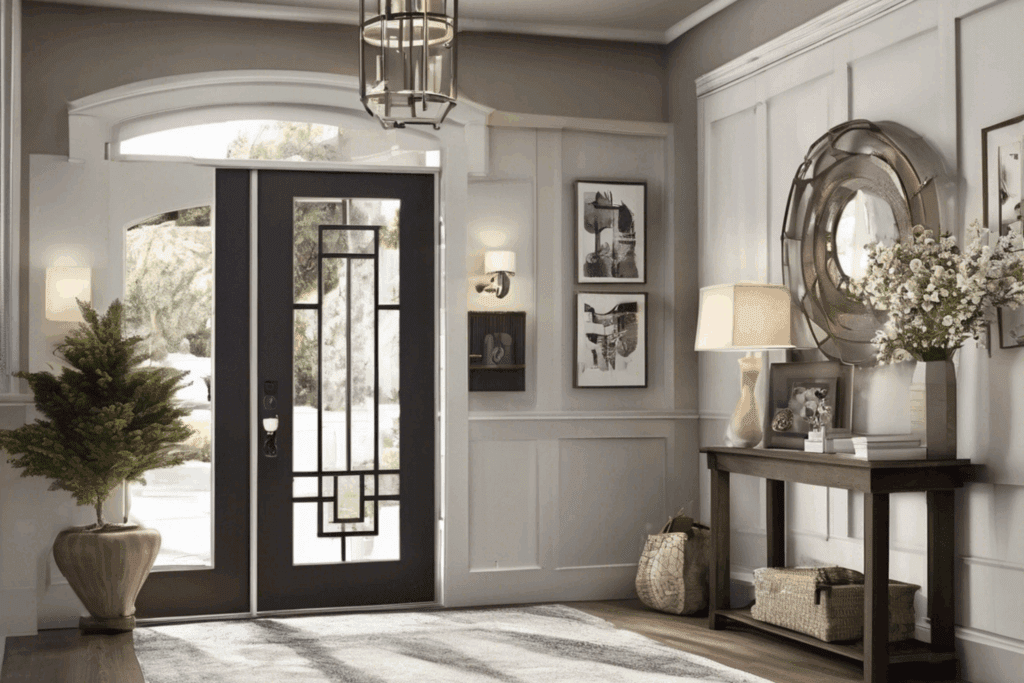

If staying in your own home as you get older matters to you, you are far from alone. Nearly 77% of adults age 50 and older say they want to remain in their homes as they age, according to the Home and Community Preferences Survey from AARP. For many homeowners, the real challenge is figuring out how to make that possible without turning a warm, personal space into something that feels medical or stripped of character.
The good news is that aging in place does not require giving up style. With the right design choices, your home can remain beautiful, functional, and comfortable for years to come.
What Aging in Place Really Means
At its core, aging in place means living in your own home safely and independently as your needs change over time. In practice, aging in place design focuses on thoughtful home modifications that improve safety, accessibility, and comfort, allowing adults over 55 to remain in their homes longer without sacrificing how those homes look or feel.
This approach includes everything from better lighting and flooring choices to kitchens and bathrooms that support ease of movement while still reflecting your personal style.
Why Design Decisions Matter More Than You Think
Many of the biggest risks for older adults happen at home. According to the CDC, falls are the leading cause of injury for adults ages 65 and older, and most occur in familiar spaces like bathrooms, kitchens, and hallways.
That is why planning ahead matters. Small design decisions made early can significantly reduce risk while preserving the comfort and flow of your space.
We spoke with Melissa Campbell, ASID, CAPS, RID, a licensed interior designer based in Montgomery, Texas. For more than 16 years, she has helped homeowners create spaces that balance safety, accessibility, and personal style.
“Integrating accessible features into the overall home allows for safety and ease of use for all users, including guests,” Melissa explains.
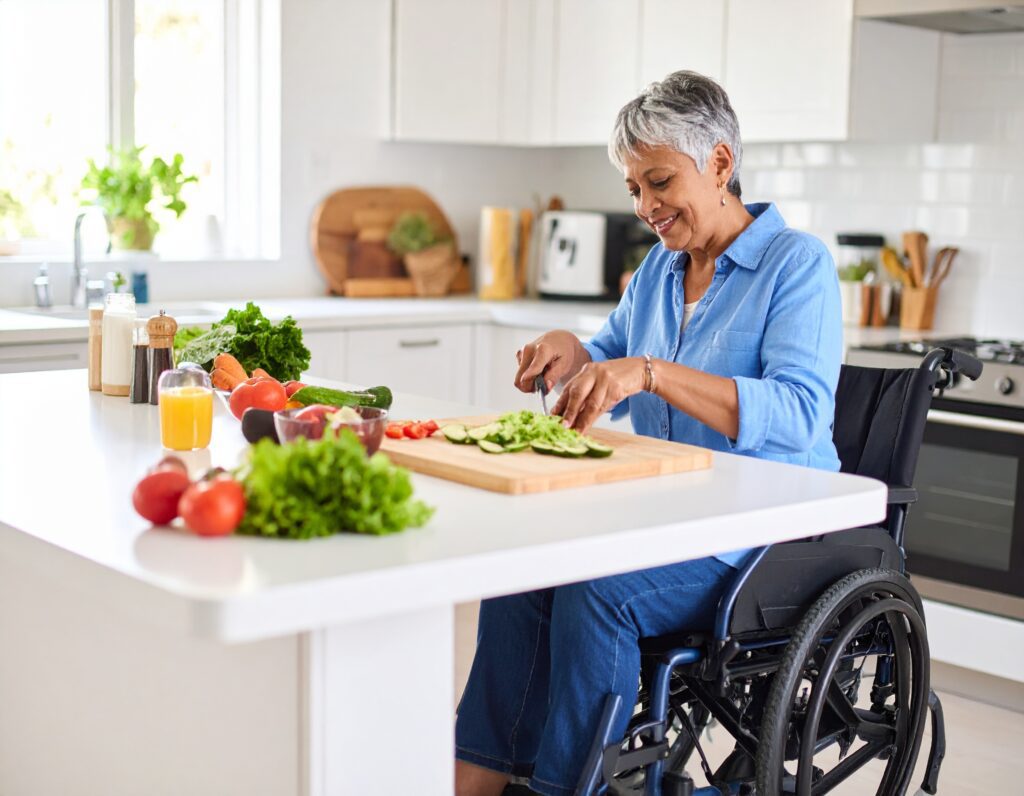
Overlooked Design Choices That Can Create Safety Issues
When people start thinking about aging in place, bathrooms often come first. That focus makes sense, but Melissa cautions against stopping there.
“Many people recognize that a bathtub or shower may need to be modified for long-term ease of use,” she says, “but thought also needs to be given to door openings being wide enough for a walker or wheelchair.”
Doorway width is frequently overlooked, yet it plays a major role in day-to-day comfort. Melissa notes that while this is easiest to address during new construction, there are also simple solutions that can be incorporated into remodels.
Flooring transitions are another common issue. “We ideally want to eliminate large saddles or transitions from smooth surfaces to thick carpet,” she explains. “Polished tile in wet areas, like near a dishwasher or outside the tub, should be replaced with slip-resistant material with a higher Dynamic Coefficient of Friction.”
Where Safety and Style Meet
Melissa’s work is rooted in universal design principles, which focus on creating spaces that work for people of all ages and abilities without calling attention to accessibility features.
“Great design begins with the end goal in mind,” she says. “I try to incorporate universal design features into every home, regardless of age or ability.”
Zero-threshold showers are one example. They look clean and modern, yet support easier access. Toilet paper holders that double as grab bars blend seamlessly into the room. Thoughtful appliance placement ensures counters, ovens, and storage are easy to reach without limiting materials, finishes, or layout choices.
Simple Updates You Can Make Right Now
If you are looking for practical changes that make an immediate difference, Melissa recommends starting with high-impact updates that improve daily comfort.
Replace round doorknobs, sink faucets, and shower controls with lever-style handles. “They provide an easier grip for arthritic hands,” she notes.
Install grab bars in showers and near toilets to provide added balance and stability.
Upgrade to a comfort-height toilet to make sitting and standing easier. Many homeowners also add bidet features for added convenience and hygiene.
These upgrades are affordable, often completed quickly, and can noticeably improve how your home feels day to day
New Innovations Supporting Aging in Place
Product innovation is keeping pace with demand, offering options that blend safety with modern design.
One product Melissa is particularly excited about is illuminated door hardware. “Kwikset released a door handle with integrated LED lighting that is activated via motion sensor,” she explains. “I love that this allows for safe passage down a hallway or to the bathroom in the middle of the night.”
Kitchen design is evolving as well. “I am excited to see more homeowners accepting induction technology,” she says. “These cooktops do not off-gas and do not have an open flame.”
Many homeowners are now considering induction cooktops for safer kitchens because the surface only heats where it contacts cookware, reducing burn risk while maintaining a sleek, modern look.
Designing a Home That Adapts With You
Aging in place is ultimately about preserving independence and quality of life in a space that still feels like home. As Melissa’s work shows, safety features do not need to stand out to be effective.
For homeowners planning ahead or considering updates, her advice is clear. Start early, work with a professional who understands universal design, and create a home that adapts with you over time while still reflecting your personal style.
About the Expert:

Melissa Campbell is a Licensed Interior Designer in the Montgomery, Texas area. She is a professional member of ASID, CAPS certified, and has enjoyed helping homeowners design functional, beautiful homes over the past 16 years. Her focus is on timeless, quality interiors tailored to each client’s unique wants, needs, and lifestyle.