

If hitting the gym sounds more like a chore than a choice, you’re not alone. For many people over 55, traditional workouts can feel repetitive, intimidating, or simply not enjoyable. That’s why more and more adults are turning to a joyful, effective, and surprisingly powerful form of exercise: dancing. Dancing offers a full-body workout that’s gentle on the joints, strengthens muscles, improves balance, and keeps your heart healthy. The benefits of dancing have been shown to enhance memory, coordination, and cognitive function, thanks to the mental focus required to learn steps and stay in rhythm. Plus, dancing triggers the release of feel-good hormones like dopamine and endorphins, helping to lift your mood and reduce stress. It’s not just a fun activity, it’s a scientifically backed way to improve your health, sharpen your mind, and boost your spirit.
A Fun and Effective Way to Stay Active

Staying physically active is one of the most important things you can do for your long-term health. But you don’t need machines or heavy equipment to get there. Dancing is a low-impact, adaptable exercise that suits almost every ability level, and it delivers real results. Studies show that older adults who dance regularly enjoy better balance, flexibility, strength, and coordination. One review published in Frontiers in Aging Neuroscience found that dance can significantly improve physical function in adults over 55 and even reduce the risk of falls.
Here’s how dance helps improve your overall well-being:
Improved strength and balance:
From your core to your toes, dancing activates muscle groups that keep you steady and strong. Moves that require shifting weight and changing direction help improve balance and coordination, which are essential for preventing falls and maintaining mobility as you age.
Better heart health:
Moderate-intensity dance gets your heart pumping just like walking or biking. It increases circulation, helps manage blood pressure, and improves endurance. Regular dancing has even been linked to lower risk of cardiovascular disease.
Joint support and bone density:
Because dance involves varied, weight-bearing motion, it keeps your joints mobile and encourages bone strength. Some studies show improved bone density in older adults who took up dancing, making it a helpful option for those at risk for osteoporosis.
Dancing Is Great for Your Brain Too
Dancing isn’t just movement, it’s memory, rhythm, focus, and creativity all rolled into one. And that’s exactly why it benefits the brain. A study in the Journal of Cognitive Enhancement found that older adults who danced weekly showed better memory, quicker reflexes, and even growth in brain areas related to learning and navigation.Unlike other exercises that can be done on autopilot, dancing demands your attention. You’re learning steps, following music, staying on beat, and sometimes even coordinating with a partner. That combination stimulates brain plasticity and supports cognitive function.
A Natural Mood Booster
Dancing also has powerful mental health benefits. It promotes the release of endorphins, serotonin, and dopamine, which are natural mood elevators. People who dance regularly often report feeling less stressed, less anxious, and more connected to their emotions. The emotional expression that comes with dancing, especially when paired with music you love, can be healing and uplifting. Dance therapy is now widely used to support people through grief, transitions, and even depression. Plus, it’s hard to feel lonely when you’re laughing and moving in a room full of people. Dance classes are a great way to meet new friends, try something different, and stay socially connected. That connection to others often leads to improved motivation, better overall mood, and a stronger sense of purpose.
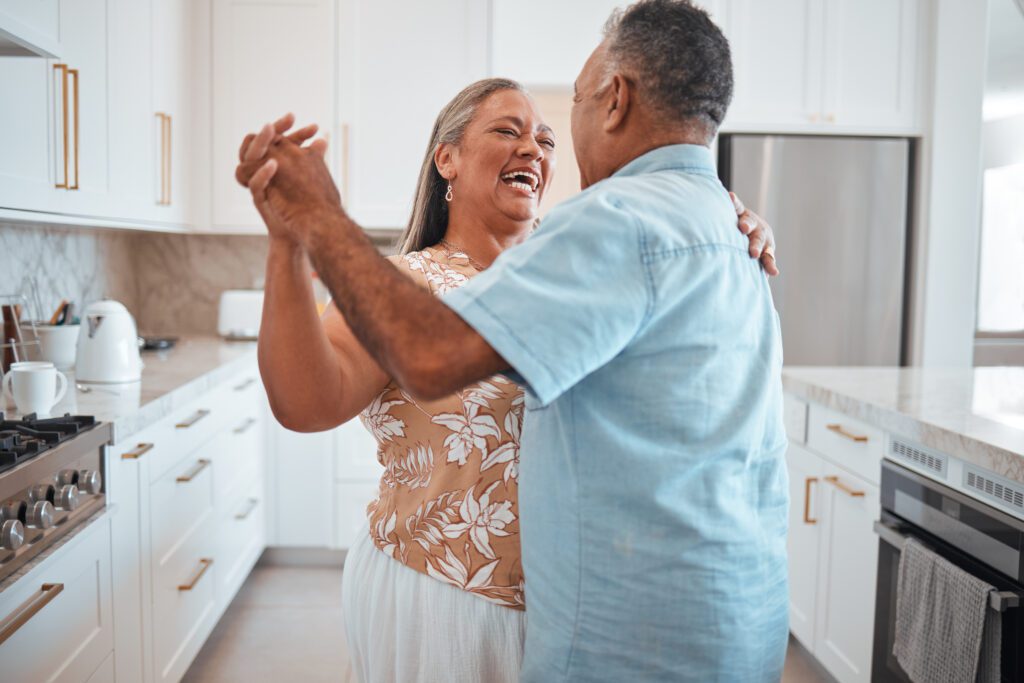
How to Start Dancing at Any Age
The best exercise is the one you look forward to. So when it comes to dancing, let your curiosity and enjoyment guide you. You don’t need previous experience or fancy equipment to begin.
Here are a few easy ways to get started:
Try dancing at home: Platforms like YouTube have countless free dance workouts for every age and ability. Look for low-impact or beginner-friendly routines, or search by dance style you enjoy, like salsa, swing, or line dancing.
Look for local classes: Community centers, senior centers, and YMCAs often offer group classes for older adults. Popular options include ballroom, jazz, and even chair dancing.
Bring a friend: Everything is more fun with company. Invite a friend, neighbor, or partner to join you, especially if you’re nervous about going alone.
Start small: Even 10 minutes of dancing in your living room can boost circulation, lift your mood, and re-energize your day.

Written by the ZestYears Editorial Team