

Few daily rituals are as comforting as a good cup of coffee. The aroma fills the kitchen, the warmth settles into your hands, and that first sip signals the start of the day. Yet if you have ever brewed the same coffee two different ways and noticed it tasted different, you are not imagining it. Small details, from where the beans are grown to how the coffee is brewed, can change the flavor in ways many people never realize.
Understanding what shapes the flavor of your coffee can change the way you experience every cup.
To explore what makes great coffee, we spoke with Justin Yehuda, founder of Iron Dome Coffee. His company focuses on producing blends that are balanced, smooth, and easy to enjoy every day.
What Really Shapes the Flavor in Your Cup
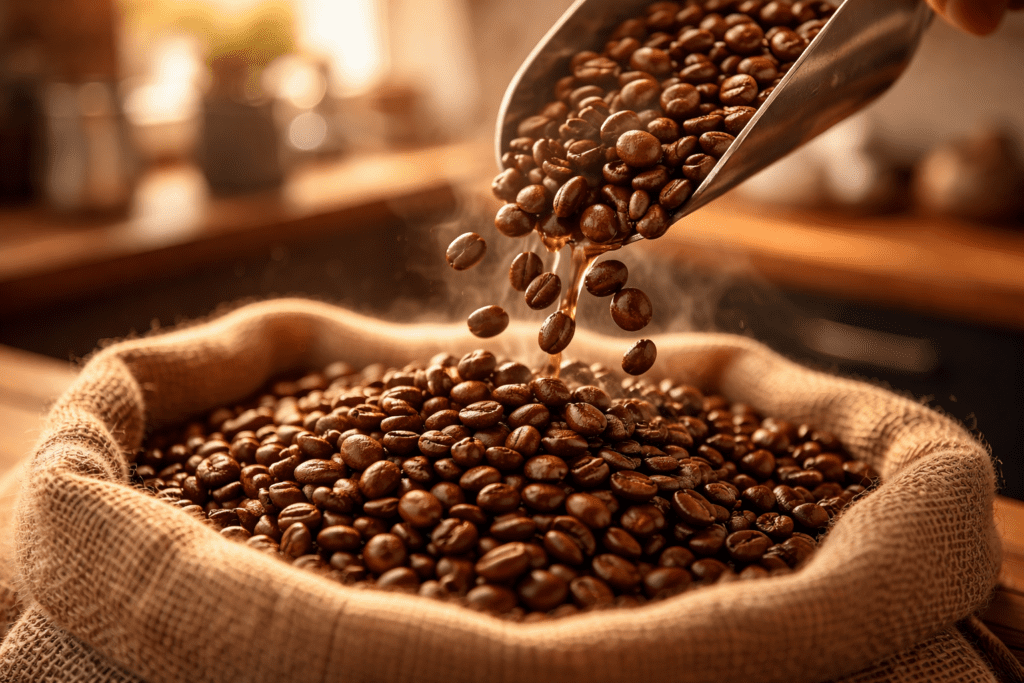
When you taste coffee, you are experiencing much more than simply whether it feels strong or mild. Flavor comes from several elements working together in the cup.
When people talk about flavor in coffee, they are usually describing a combination of things that work together. Acidity gives coffee a bit of brightness, the kind of lift that keeps it from tasting flat. Body refers to how the coffee feels when you drink it, whether it is lighter and delicate or fuller and richer. Sweetness can appear in different ways depending on the beans, sometimes reminding people of chocolate, caramel, or even a hint of fruit. All of these elements come together to create the overall character of the coffee you are drinking.
Justin explains that flavor is shaped long before the coffee reaches your kitchen. The region where the beans are grown, how they are roasted, how finely they are ground, and even the way the coffee is brewed all play a role. Small changes in any of those steps can shift how the coffee tastes in the cup.
That is why two coffees that look almost identical can taste completely different. Flavor develops through the many steps that happen between the farm and your morning mug.
Where Coffee Is Grown Changes the Taste
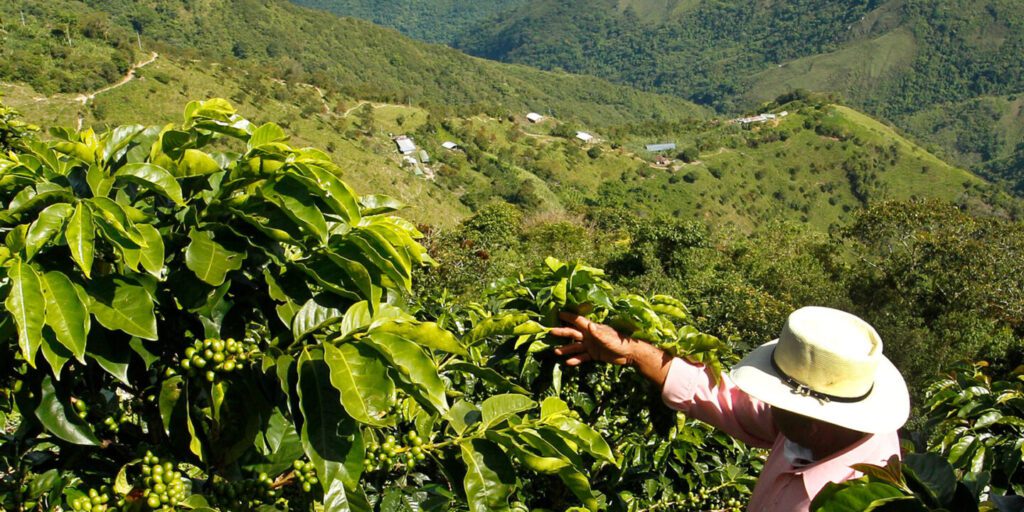
One of the biggest influences on flavor is where the coffee is grown. Climate, soil, and elevation all affect how coffee cherries develop before they are harvested.
Many coffees grown in Central and South America are known for producing a balanced, easy-to-drink cup. Growing conditions also matter. Beans grown at higher elevations often develop more complex flavors because the cooler climate allows the coffee cherries to ripen more slowly.
Roasting then shapes how those flavors appear in the cup. Lighter roasts tend to highlight the bean’s natural characteristics, while darker roasts bring out deeper roasted flavors. Processing methods also play a role. Beans that are washed during processing often taste brighter and cleaner, while naturally processed beans can develop sweeter, fruit-like notes.
If you are curious about how growing regions influence flavor, the Specialty Coffee Association offers helpful information about how coffee origin affects taste.
Why Consistency Matters in Great Coffee
When you find a coffee you enjoy, you expect it to taste the same every time you brew it. Achieving that consistency takes more work than most people realize.
Justin says consistency comes down to three things: reliable sourcing, careful roasting, and tasting every batch to make sure it meets the same standard. Reliable sourcing helps ensure the beans maintain the same quality from shipment to shipment. Roasters then follow precise temperature and timing profiles so each batch develops the same flavor. Finally, each production run is checked before it reaches customers. That attention helps ensure that the coffee in your mug tastes the way it is meant to.
Light, Medium, or Dark? How Roast Level Affects Flavor
Roast level is one of the first things people notice when choosing coffee. Lighter roasts tend to have brighter acidity and highlight more of the bean’s natural flavor. Darker roasts usually produce a bolder cup with deeper roasted notes.
Many coffee drinkers find that medium roasts strike a comfortable balance between the two. They offer strong flavor without feeling too sharp or too heavy.
Justin notes that medium and medium-dark roasts are especially versatile. They work well whether you drink your coffee black, add milk, or serve it over ice.
Whole Bean, Ground, or Pods? Why Format Matters
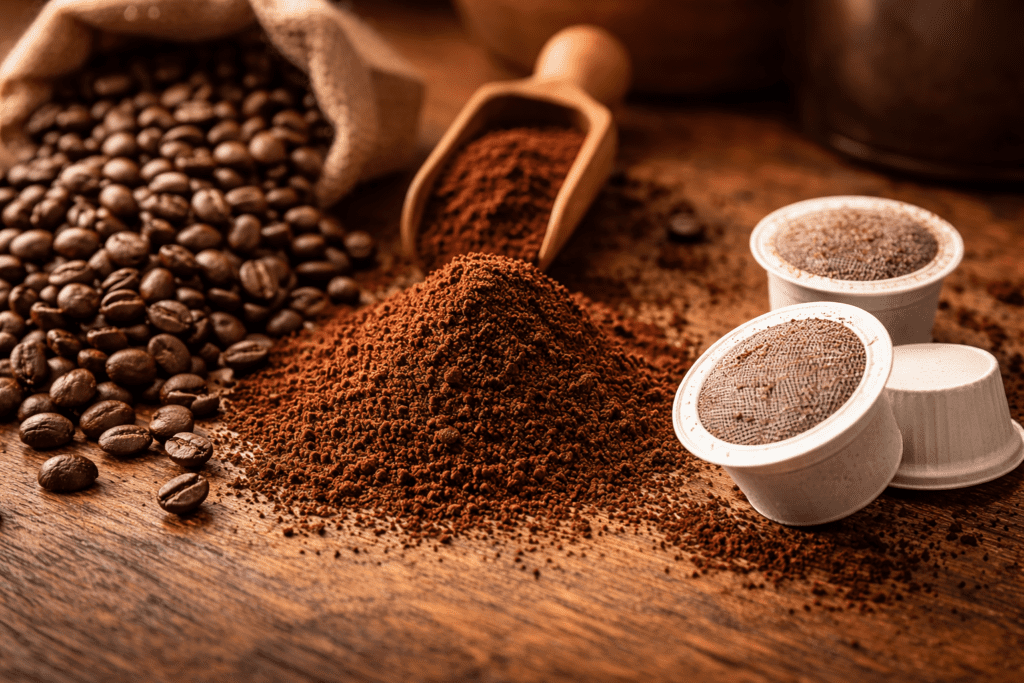
The format of your coffee can also influence what you taste. Whole bean coffee often delivers the freshest experience because the beans are ground immediately before brewing. Grinding releases aromatic oils that begin to fade once coffee is exposed to air.
Ground coffee offers convenience while still producing a very good cup when sealed properly and used within a few weeks of roasting. For many households it strikes a balance between freshness and simplicity.
Pods focus on ease and consistency. Each pod contains a measured amount of coffee so the strength and flavor stay consistent from cup to cup. Whether you prefer grinding your own beans or using a pod machine, the best option is the one that fits comfortably into your daily routine.
Finding the Coffee That Works for You

A satisfying cup of coffee does not require expensive equipment or complicated techniques. Starting with well-sourced beans, choosing a roast level you enjoy, and using a brewing method that fits your routine can make a noticeable difference.
Once you understand the factors that shape flavor, exploring coffee becomes much more enjoyable. You may discover that you prefer brighter beans from higher elevations, deeper medium-dark roasts, or the convenience of pods for busy mornings.
If reading this makes you curious to try a new brew at home, Iron Dome Coffee has offered ZestYears readers 15% off with the code ZESTYEARS15.
If you enjoy discovering new facts about food and drinks, you can also explore more stories in our Sip & Savor section.
Meet The Expert

Justin Yehuda is the Founder and CEO of Iron Dome Coffee, a mission-driven coffee brand. After leaving a consulting career in Manhattan, Justin built Iron Dome Coffee into a nationally shipped brand with customers in all 50 states and over 1,000 active subscribers and growing.