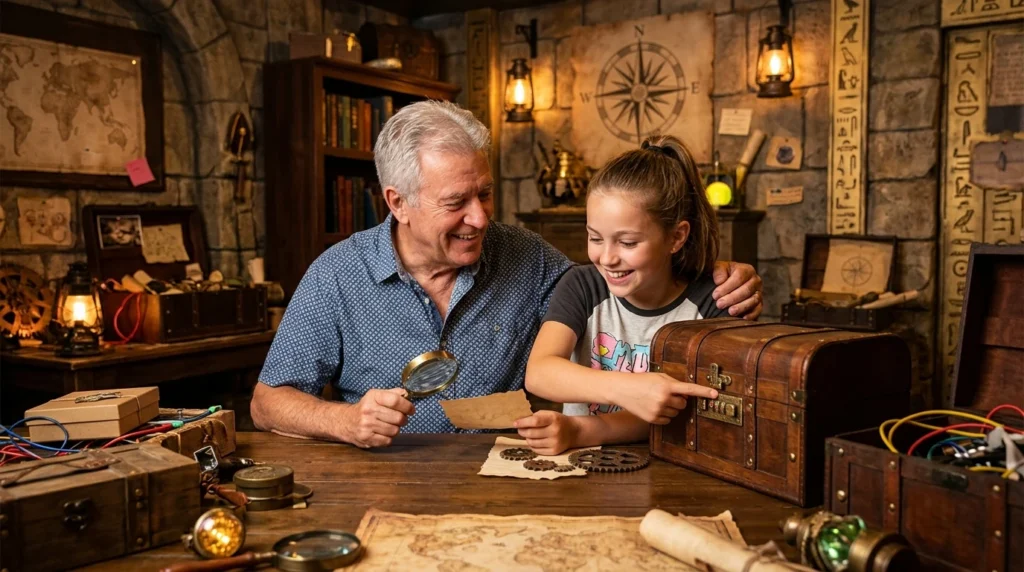

When you picture the joys of grandparenting, your mind might land on sticky kisses, bedtime stories, or cheering from the sidelines at a soccer game. But here is something you may not know. The health benefits of being a grandparent go well beyond those moments.
Research shows that time with grandchildren can enhance your physical health, sharpen your mind, and improve your emotional well-being. Grandparenting brings structure, purpose, and joy into daily routines, which many health experts identify as key ingredients for healthy aging. Instead of seeing aging as a period of decline, researchers increasingly view it as an opportunity for renewal, and grandchildren are often the spark that makes this renewal possible.
Physical Health Boosts
Caring for grandchildren, even in small ways, encourages natural physical activity. Walking little ones to school, kneeling on the floor to play, or joining them for a game of catch helps grandparents build regular movement into their lives without needing a formal exercise plan. This type of “incidental exercise” is powerful.
A study in the National Library of Medicine found that grandparents who provide childcare are significantly more active and less prone to mobility challenges later in life compared to peers who do not. These benefits are amplified because the activity is joyful and social, making it easier to stick with over time.
Movement helps prevent chronic disease, too. The Centers for Disease Control and Prevention confirms that adults who meet the recommended 150 minutes of activity per week reduce their risk of cardiovascular disease, Type 2 diabetes, and some cancers. Playing tag with grandchildren may feel like child’s play, but it’s also preventive medicine.

Mental Health: Staying Sharp and Engaged
Your brain thrives on new experiences, problem-solving, and conversation. Grandchildren naturally provide all three. Whether you’re helping a grandchild navigate schoolwork, sharing family stories, or learning about the latest technology together, your mind is actively processing, adapting, and storing information.
A Boston College study discovered that emotionally close grandparent-grandchild relationships lower rates of depression and boost overall life satisfaction. This isn’t surprising, being needed and valued gives grandparents a sense of purpose that translates directly into mental well-being.
More recent global research adds weight to these findings. A study in rural China found that caregiving grandparents had significantly reduced depression compared to non-caregivers, and that the effect was tied to both the emotional support they received from children and the meaning they found in giving care (Frontiers in Psychiatry). Similarly, researchers writing in the Journal of Public Health describe grandparenting as a form of “everyday therapy,” helping older adults stay resilient.
Even simple activities like storytelling strengthen memory pathways. Recalling and sharing your own life events is more than just family bonding, it is an active brain workout that protects against cognitive decline.

Emotional Health: Less Stress, More Joy
Few things melt stress as quickly as a grandchild’s hug. Science backs up that feeling. The American Psychological Association notes that intergenerational bonds increase emotional resilience, reduce anxiety, and create a deeper sense of security.
A recent University of Michigan poll found that 72% of grandparents said time with grandchildren eased their feelings of loneliness. Those who saw their grandkids at least once a week reported far better emotional health than those with less frequent contact. This isn’t just anecdotal, it’s measurable, grandparents in frequent contact report lower blood pressure and fewer stress-related symptoms.
In addition, psychological research shows that giving care has physiological benefits. When grandparents provide support, their bodies release hormones that lower stress and increase happiness. Altruism, in this sense, is self-care. As one Guardian article put it, taking care of others is one of the most powerful ways to care for ourselves.

When the Benefits Flow Both Ways
The relationship between grandparents and grandchildren is reciprocal. Children raised with active grandparent involvement often enjoy higher self-esteem, better emotional regulation, and stronger academic performance. According to a Pew Research Center study, nearly 40% of American grandparents provide regular care or financial support to their grandchildren, shaping both generations in lasting ways.
International data support this as well. A systematic review in the National Library of Medicine found that children with strong grandparental bonds were less likely to develop behavioral issues, and more likely to thrive academically. Meanwhile, grandparents themselves reported lower loneliness, better mood, and a deeper sense of family connection.
When both sides gain, the ripple effects strengthen entire families and communities.
A Prescription for Health You’ll Love

No pill, supplement, or trendy program compares to the simple magic of being present with your grandchildren. The hidden health benefits of being a grandparent prove that playtime, shared meals, and bedtime stories are not just heartwarming memories. They are building blocks of long-term physical health, mental clarity, and emotional peace.
So when your grandchild asks for one more story, or to play outside a little longer, remember that saying yes is an act of love for both of you. Those real life moments add more than memories, they may also add more years to your life.

Written by the ZestYears Editorial Team