
Joannah Sampson is more than a survivor. She’s a caregiver, connector, and fierce advocate for older adults navigating life after cancer. As part of the Survivorship & Cancer Outcomes Research (SCOR) program at the Medical University of South Carolina (MUSC), Joannah is helping redefine what cancer recovery looks like for the 55+ community.
When Joannah completed chemotherapy at age 58, she expected a sense of triumph. Instead, she felt lost. The appointments stopped. The care team’s calls slowed. And the fatigue, brain fog, and quiet question “What now?” lingered without clear answers.
If that sounds familiar, you’re not alone. According to the American Cancer Society, more than 78% of cancer survivors in the U.S. are over age 55. And while today’s medical system excels at treating the disease, the phase after treatment, known as cancer survivorship, has only recently begun to receive the attention it deserves.
The Shift: From Surviving to Truly Living
Based at MUSC and shaped by survivors themselves, SCOR is a first-of-its-kind initiative focused on helping people not just live longer but live well after cancer. The program supports older adults with a holistic model that blends medical follow-up, emotional wellness, and meaningful peer connections.
“One of the biggest misconceptions is that recovery isn’t possible for older adults,” Joannah explains. “But that’s simply false.”
Joannah and fellow survivors are living proof that healing and thriving is possible at any age. “We still have dreams, purpose, and so much to give. We’re not just survivors. We’re mentors, caregivers, and leaders.”
What Survivorship Support Should Looks Like
Survivorship begins the moment of diagnosis, not just when treatment ends.
The program offers:
Specialized clinics for post-treatment care across cancer types
Access to mental health services, physical therapy, and nutritional counseling
Complementary therapies like breathwork, healing arts, and pet therapy
Opportunities to join research studies that improve care for others
“The goal is simple,” says Joannah. “To help people feel like whole humans again, not just former patients.”
The Power of Showing Up

Joannah doesn’t walk into cancer treatment rooms as a doctor. She walks in as someone who’s been there. She remembers the sting of the cold chair, the eerie silence, and the loneliness that can come with hours in an infusion center.
“I noticed so many people sitting alone during treatment. No hand to hold, no snack run, no comfort. That stayed with me.”
Today, Joannah volunteers during chemotherapy sessions, offering comfort and conversation. “No one should go through this alone,” she says. That promise became her purpose.
And she’s not alone in this approach. Research confirms that survivors with emotional support experience better outcomes, improved mental health, and a stronger sense of control and connection.
Shaping the Future of Cancer Care
Joannah now works on SCOR’s statewide survivor advisory board, pushing for innovations in post-treatment care that actually reflect what older adults need. SCOR is also leading critical research in:
Reducing long-term side effects of cancer treatment
Supporting caregivers and family dynamics
Addressing mental health in incurable cancers
Enhancing quality of life for senior survivors
Her work is helping build a roadmap for a more compassionate and empowering survivorship model that recognizes older adults’ unique needs and strengths.
Real Advice, Real Hope
Joannah shares this message for anyone navigating life after cancer:
“Your life isn’t over. It’s just different. But your spirit, curiosity, and worth are all still there. Don’t shrink. Don’t fade. Find your new rhythm and live fully in it.”
Why Joannah Inspires Us:
At ZestYears, we celebrate second chapters, resilience, and reinvention. Joannah reminds us that healing doesn’t just come from medicine. It can begin with a conversation, a connection, or showing up for someone else.
If you or someone you love is navigating cancer recovery after 55, there’s more support than ever before and real reason for hope.
About the contributor
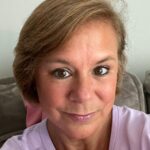
Joannah is a two time cancer survivor living on Daniel Island, SC with her husband for whom she is a caretaker. He thrives with B Cell Non-Hodgkin’s Lymphoma and Stage 3 Melanoma. They love Boston sports, golfing and travel.
More about SCOR https://hollingscancercenter.musc.edu/research/survivorship-cancer-outcomes-research-initiative

This article is for informational purposes only and does not replace professional medical advice. Consult a qualified healthcare provider with any health concerns.