

By: Sandy Ellison, Senior Editor
As you get older, staying well often comes down to the basics. Few basics are as underrated, and as powerful, as dietary fiber.
Fiber is not glamorous. But if you are 55 or older, getting enough of it can be the difference between feeling weighed down and feeling more like yourself. Yes, it helps with digestion, but it also supports heart health, weight management, and steadier blood sugar. It is one of those small upgrades that can make your whole day run better.Why Fiber is a Big Deal (Especially After 55)
Fiber is the part of plant foods your body does not digest. That is exactly why it helps. As it moves through your system, it supports regularity, helps you feel full longer, and can play a role in cholesterol and blood sugar control. The Harvard T.H. Chan School of Public Health, The Nutrition Source: Fiber explains how fiber helps regulate the body’s use of sugars and supports hunger and blood sugar levels.
There are two main types of fiber, and both matter.
Soluble fiber dissolves in water and forms a gel-like substance. It can help lower LDL cholesterol and support healthier blood sugar patterns. Insoluble fiber does not dissolve. It adds bulk and helps keep things moving, which is a big deal if constipation has become a regular issue.
Most older adults need around 25 to 30 grams of fiber a day, but many people get far less. Harvard’s nutrition guidance notes that many adults fall short of recommended fiber intake.
“I used to feel sluggish in the afternoons, and my digestion wasn’t great,” says Marjorie R., 73, from South Carolina. “I started adding fruit to my oatmeal and a few more veggies at dinner, and honestly, I feel so much better now. Lighter, more energized.”
Carl D., a 68-year-old retired teacher, adds: “What surprised me most is how full I feel after meals. I used to snack a lot, but since switching to whole grains and adding lentils to soups, I don’t need to anymore. I even lost a few pounds without really trying.”

Five Reasons to Add More Fiber
Gentle digestion support
Constipation and slower digestion are common as you age. Fiber adds bulk and helps stool move through more comfortably.
A healthier heart
Soluble fiber can help lower LDL cholesterol, and higher fiber intake is linked to lower cardiovascular risk. A large systematic review and meta-analysis in BMJ: “Dietary fibre intake and risk of cardiovascular disease” (2013) found higher fiber intake was associated with lower risk of cardiovascular disease and coronary heart disease.
Easier weight control
Fiber helps you feel fuller after meals, which can make it easier to eat in a way that matches your hunger, not your habits.
Better blood sugar balance
Fiber slows how quickly sugar is absorbed, which can help reduce spikes and crashes. The CDC: Diabetes Meal Planning guidance includes practical approaches, like the plate method, that pair naturally with higher-fiber foods.
Reduced risk of certain cancers
Fiber-rich eating patterns are associated with a lower risk of colorectal cancer. The American Institute for Cancer Research: Colorectal Cancer overview highlights that fiber-rich foods are part of lifestyle patterns linked to lower risk.
Easy Ways to Get More Fiber
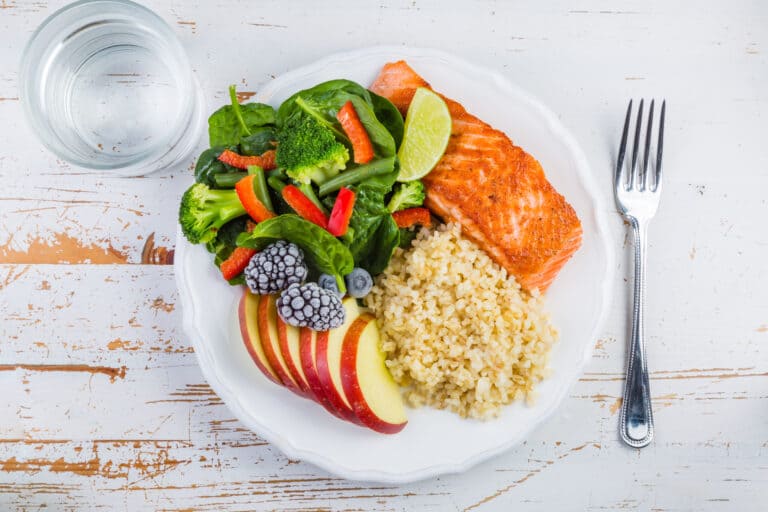
Adding fiber does not have to mean overhauling the way you eat. Start small and make it fit your routine.
Try oatmeal with fruit at breakfast. Keep apples, carrots, or nuts around for simple snacks. Add beans to salads, soups, or tacos. Choose whole-grain bread and pasta more often. Even popcorn can be a helpful high-fiber snack when it is the plain, air-popped kind.
You do not need to do this perfectly. Every extra serving counts.
Adding more fiber is one of the simplest, kindest things you can do for your body as you age. It can help you feel lighter, more comfortable, and more steady throughout the day. And for many people, the difference shows up faster than expected.
For Your Sweet Tooth

Fiber can show up in dessert, too. Try berries with yogurt, an apple with peanut butter, or a few Shameless Snacks gummies when you’re craving something sour and chewy. The gummies have only 3 grams of sugar and 26 grams of fiber per pouch, so start with a few before adding more.
Make Room for What You Enjoy
A higher-fiber routine can include the foods you already look forward to. Add berries to breakfast, beans to a lunchtime salad, or vegetables to a favorite dinner. And if you’re craving something sweet afterward, there’s room for that, too. Over time, those small additions can help you get the fiber your body needs to support digestion and long-term health
**Disclosure: We received a free sample of the gummies mentioned above and were not paid to include them. We try products before sharing them with readers, and our opinions are our own. Add fiber gradually, and consult your healthcare provider before making changes to your diet or care plan.