

For many families, a trip to the zoo feels like a childhood tradition. There is something exciting about seeing animals that children have previously only encountered in books, cartoons, or stuffed-animal collections. A lion suddenly becomes real. A giraffe towers overhead. A flamingo stands on one leg just a few feet away. These moments can spark wonder and curiosity in ways that are difficult to recreate elsewhere.
At the same time, visiting a zoo with a toddler can be very different from visiting with an older child. Toddlers often have shorter attention spans, limited stamina, and interests that may surprise you. You might spend twenty minutes watching a turtle and only thirty seconds looking at the animal you came to see. Understanding how toddlers experience the zoo can help you plan a more enjoyable outing and avoid many common frustrations.
The good news is that with a little preparation, a zoo visit can become one of the most engaging outings of the year. Rather than trying to see everything, you’ll have a much better experience if you focus on seeing the zoo through your grandchild’s eyes.
If you’re looking for additional age-appropriate adventures, visit our Fun Things to Do With Your Grandchild guide for more ideas organized by age.
Why Zoos Are So Fascinating for Toddlers
Toddlers spend a great deal of time learning about animals. They hear animal sounds, read picture books, and play with toy versions of creatures from around the world. A zoo brings those familiar animals to life in a way that captures their imagination.
What makes zoos particularly effective for this age group is that they engage multiple senses at once. Children can observe how animals move, listen to sounds, notice different colors and patterns, and watch behaviors that simply can’t be replicated through a screen.
Many toddlers are also drawn to repetition. They may want to visit the same exhibit more than once or spend a surprisingly long time watching a single animal. While adults often focus on seeing as much as possible, toddlers tend to enjoy deeper exploration of fewer experiences.
The Association of Zoos and Aquariums provides information about accredited zoos throughout North America and can help you locate facilities that emphasize animal care, conservation, and education.
Arrive Earlier Than You Think You Need To
One of the easiest ways to improve a zoo visit is to arrive shortly after opening time. Not only are temperatures often cooler, but many animals are also more active during the morning hours.
As the day progresses, crowds become larger, parking lots fill up, and exhibits can become more difficult to view. Young children also tend to be at their best earlier in the day before fatigue begins to set in.
An early arrival allows you to move at a relaxed pace and gives your toddler an opportunity to experience popular exhibits before they become crowded. If your zoo offers feeding demonstrations or keeper talks, check the schedule in advance so you can plan your route accordingly.
Focus on Your Toddler’s Interests Rather Than the Map
Many zoo maps make it tempting to create an ambitious itinerary. There are dozens of exhibits, special attractions, and educational experiences, and it can feel like you should try to see everything. In reality, most toddlers don’t care whether they’ve visited every section of the zoo. What they care about is what captures their attention in the moment.
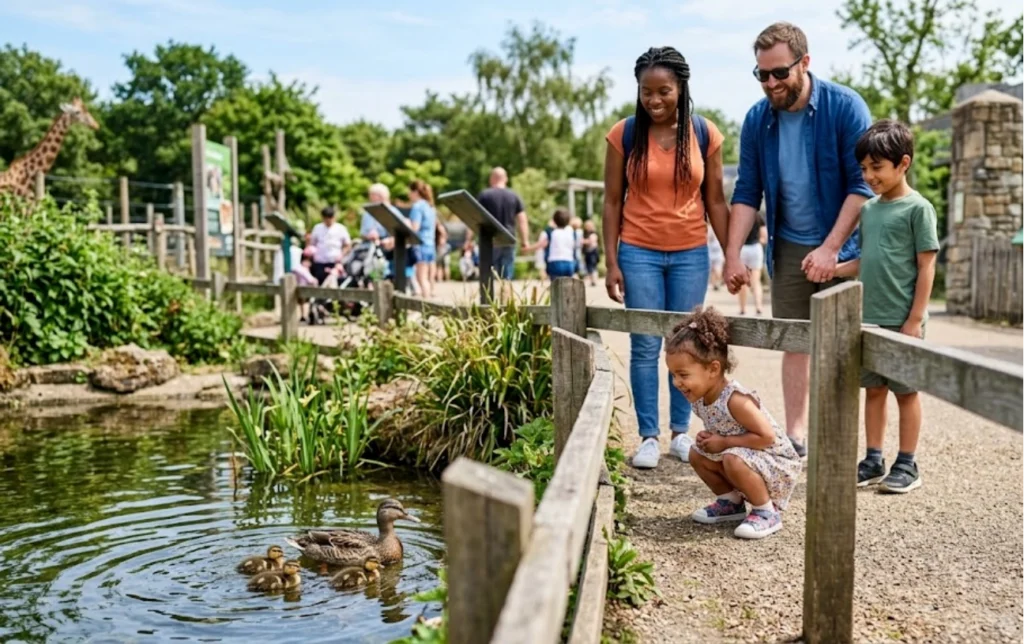
You may arrive excited to show your grandchild the elephants only to discover they are fascinated by a family of ducks near the entrance. That’s perfectly normal. Some of the most memorable moments happen when you allow children to follow their curiosity rather than sticking rigidly to a plan.
If your toddler becomes captivated by penguins, sea lions, or monkeys, consider spending extra time there instead of rushing to the next exhibit. The goal is not to complete the zoo. The goal is to enjoy it.
Interactive Areas Often Become the Highlight of the Day
Many modern zoos include areas specifically designed for young children. These may include petting areas, nature-themed playgrounds, climbing structures, splash zones, or hands-on educational exhibits.
For toddlers, these spaces are often just as exciting as the animal exhibits themselves. They provide opportunities to move, explore, and burn energy between periods of observation. Before your visit, review the zoo’s website to see what child-focused experiences are available. The Smithsonian’s National Zoo is one example of a facility that offers educational resources and family-friendly programming that can help you plan a successful visit.
Many grandparents find that alternating between animal exhibits and active play areas helps prevent toddlers from becoming overwhelmed or restless.
Don’t Underestimate the Value of a Stroller
Even energetic toddlers can become tired after several hours of walking. A zoo may cover far more ground than you realize, especially when winding paths and exhibit areas are included. Bringing a stroller doesn’t mean your grandchild has to ride in it all day. Instead, it provides flexibility. Children can walk when they have energy and rest when they need a break.
A stroller also creates a convenient place to store snacks, water bottles, sunscreen, jackets, and any souvenirs you pick up along the way. Many zoos offer stroller rentals, but availability can vary, especially during busy seasons. If you think you’ll need one, it’s worth checking ahead of time.
Pack Snacks and Plan for Breaks
One of the biggest mistakes adults make is assuming the animals will be enough to keep toddlers happy all day. In reality, hunger and fatigue can derail even the most exciting outing.
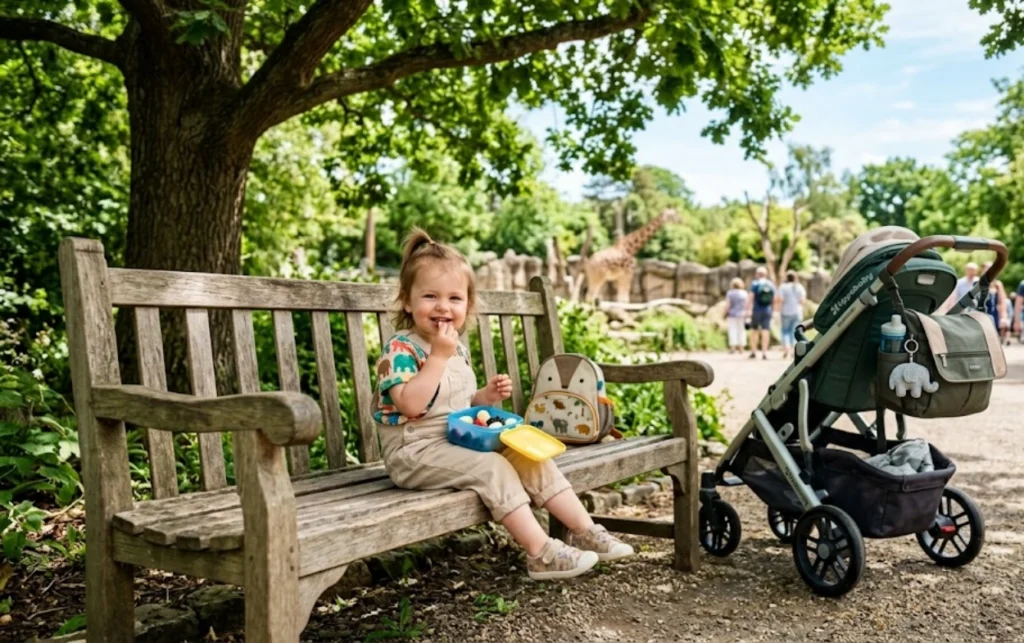
Packing familiar snacks can make a significant difference. A short snack break in a shaded area may be all your grandchild needs to recharge before continuing.
Looking Beyond the Animals
While animals are the main attraction, zoos also provide opportunities to talk about habitats, weather, geography, and conservation. Even simple conversations can help children develop a broader understanding of the natural world.
If your grandchild sees a giraffe, you might discuss how tall it is and where giraffes live. Watching penguins can lead to conversations about cold climates. Seeing different species of birds may inspire interest in animals found closer to home.
These discussions don’t need to feel educational. The most effective learning often happens through casual conversation and shared observation.
Making Every Zoo Visit More Engaging
A zoo visit doesn’t need to be packed with activities or carefully scheduled to be successful. In fact, the best outings are often the ones where you slow down, follow your grandchild’s interests, and allow plenty of room for unexpected discoveries.
Whether your toddler spends the day watching monkeys swing through trees, listening to birds call across an exhibit, or giggling at playful otters, the experience offers far more than entertainment. It encourages curiosity, observation, and a growing appreciation for the natural world.
The next time you visit the zoo, resist the urge to rush from one exhibit to another. Instead, let your toddler set the pace. You may find that the most memorable part of the day isn’t the animal you planned to see, but the one that unexpectedly captured your grandchild’s attention.

Written by the
ZestYears Editorial Team