

When people hear “core strength,” it often brings to mind crunches, planks, or getting down on the floor and figuring out how to get back up again. For many, that version of core work feels uncomfortable or unrealistic, which is why it tends to get skipped altogether.
Core strength, though, isn’t tied to the floor. It’s about how your body stays supported as you move through the day, and there are effective ways to build it that feel far more practical and approachable.
We spoke with Darren Oliver, owner and lead trainer at ISI Elite Training, about how to strengthen your core in ways that fit real life and support the body without unnecessary strain.
Why Floor Exercises Often Fall Away
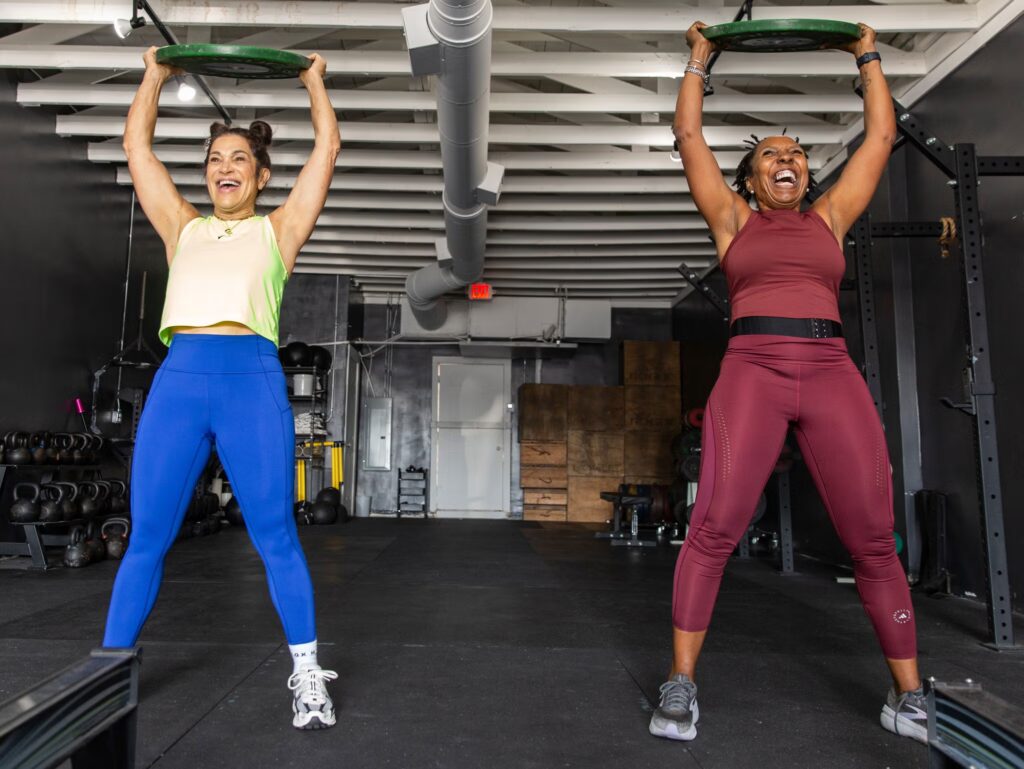
Darren sees this happen regularly. It’s not that floor-based core exercises stop working. It’s that they stop getting done. Getting down on the floor can feel like a hurdle. Knees may protest. Getting back up can feel awkward or tiring. Once something starts to feel inconvenient, it usually drops out of the routine, and core strength is often one of the first things to fade.
Over time, muscle loss naturally increases when strength work isn’t consistent, especially through the middle of the body. Darren explains that maintaining or building core strength depends less on finding the perfect exercise and more on choosing movements that feel doable enough to keep coming back to.
What Core Strength Really Supports
One of the biggest misconceptions Darren hears is that core strength is only about abdominal muscles.
In reality, the core includes everything from the knees up through the mid-chest. These muscles are involved in most daily movement. Staying upright, turning, reaching, carrying, shifting weight, and maintaining balance all rely on the core working quietly in the background.
When those muscles are strong and coordinated, movement tends to feel steadier and more controlled. When they’re weak, the body often compensates in ways that show up as balance issues, posture changes, or extra strain elsewhere.
Core Work That Fits Into Real Life
For people who don’t want to get on the floor, Darren relies heavily on standing and chair-based movements.
These exercises ask the core to do what it’s designed to do: keep you upright, stable, and supported while the rest of the body moves. That might look like controlled side-to-side movements, gentle rotation, or holding resistance while staying tall and steady.
Chair-based exercises can be just as effective, especially when the focus is on posture and control rather than intensity. The core is still working, just in a way that feels more natural and accessible.
The benefit of this approach is that it mirrors real life. You’re training the core to support the way you actually move, not just the way you exercise.
The Kinds of Movements That Support Core Strength
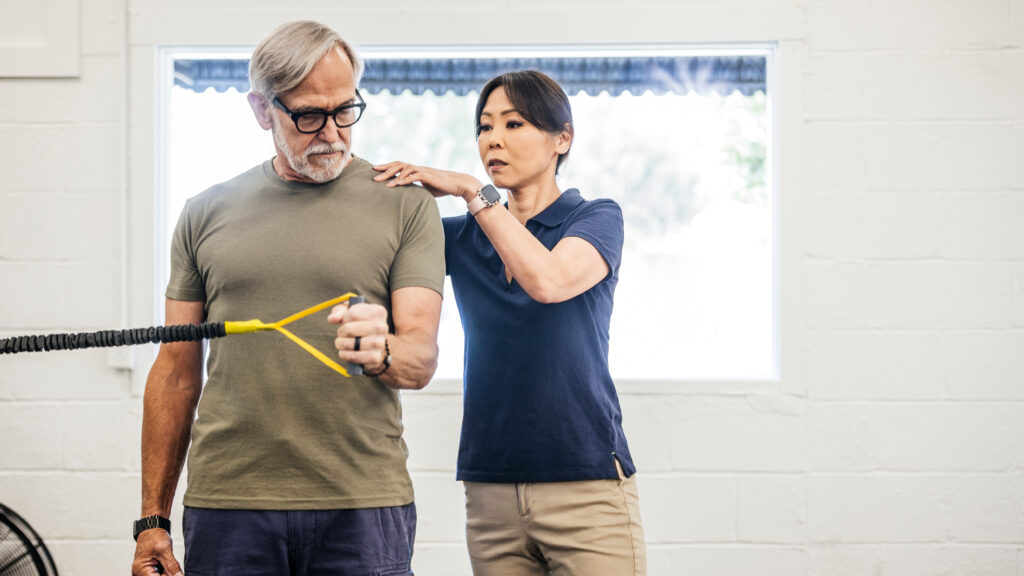
Darren often points out that core work doesn’t have to look like an exercise at all. Many of the movements that strengthen the core happen while standing or sitting, using the body’s natural need to stay upright and balanced.
Controlled rotational movements are one example. Turning the upper body while staying tall asks the core to stabilize without forcing the body onto the floor. Carrying weight evenly, or even on one side, encourages the core to stay engaged to maintain balance. Gentle side-to-side movements also bring the core in naturally as the body resists tipping or collapsing.
Chair-based movements work in a similar way. Sitting tall while moving the arms or legs challenges the core to maintain posture and control. These movements don’t look dramatic, but they’re effective because they train the core to do what it’s meant to do: support movement.
Darren emphasizes that the goal isn’t complexity. It’s choosing movements that feel manageable, repeatable, and easy to work into a routine.
How to Tell Your Core Is Engaged
Without crunches or planks, it’s easy to wonder whether core exercises are doing anything at all.
Darren explains it simply. If a movement causes the muscles around your midsection to tighten and stabilize, your core is engaged. You don’t need to feel a strong burn or hold a rigid position for it to count.
Movements that require staying steady while resisting rotation or carrying weight often bring the core in naturally. Exercises like controlled wood-chop motions or farmer-style carries are ones Darren uses often because they engage the core while you’re standing and moving. What matters most is control. Feeling your body stay steady through the middle is the sign that the work is happening.
What Changes When Core Strength Improves
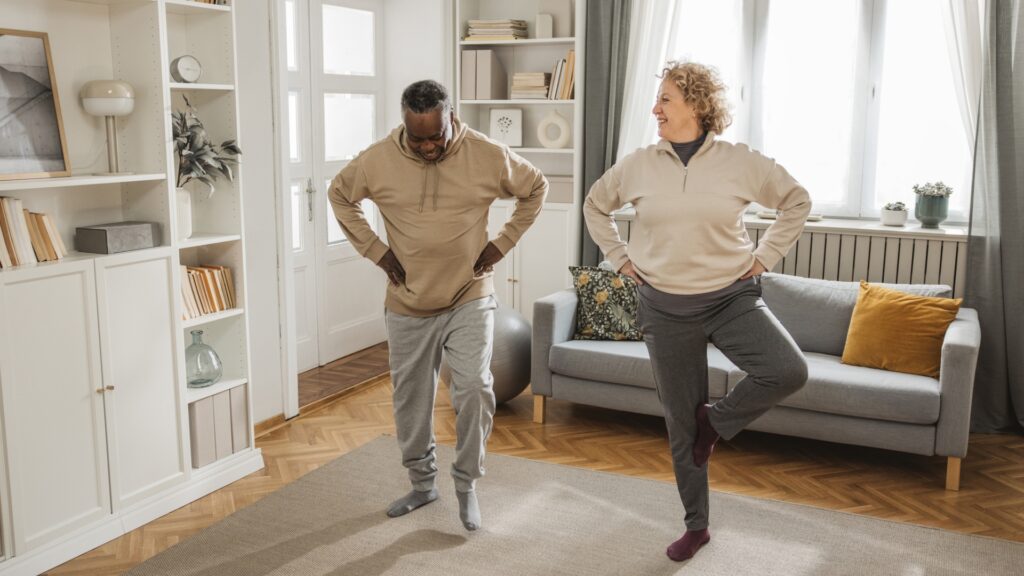
When core strength is built this way, the changes tend to show up outside of workouts.
Balance is often the first thing people notice. The core plays a major role in keeping the body steady, especially during transitions or uneven movement. Posture also tends to improve as the muscles supporting the upper body get stronger, making it easier to stay upright without effort.
Darren also notices that movement feels more comfortable overall. A stronger core helps the body resist collapsing forward or hunching, which can make everyday tasks feel easier over time.
For general guidance on safe strength training principles, the Mayo Clinic offers a clear, practical overview that includes core strength and functional movement.
The National Institute on Aging also provides easy-to-follow resources focused on strength, balance, and posture for everyday life.
About the contributor

Darren Oliver is the owner and a lead trainer at ISI Elite Training, a coach-led fitness community focused on helping people build strength that supports everyday life. He leads 50-minute training sessions with an emphasis on proper movement, joint health, and long-term progress. Darren is known for making strength training feel approachable, motivating, and sustainable.