

If it feels like everyone is suddenly playing Mahjong, you’re right. What was once a quiet hobby passed down through generations has taken center stage. From kitchen tables to clubhouses to apps on your iPad, Mahjong is everywhere, and longtime players like Barbara Eigg are thrilled to see it.
“My mother taught me when I was 11,” Barbara shares. “We had the best group my mother, sister, aunt, and some neighbors. I still use that same set today. It’s in perfect condition.”
Mahjong originated in China during the Qing dynasty and became popular in the West in the 1920s. It was especially embraced by Jewish American women in the mid-20th century, who formed tight-knit weekly game groups that became a meaningful ritual of connection and community.. Groups like the National Mah Jongg League, founded in 1937, helped shape the version many Americans play today. They report that membership has doubled since 2019, now exceeding 500,000 active players.
What Makes Mahjong So Popular?
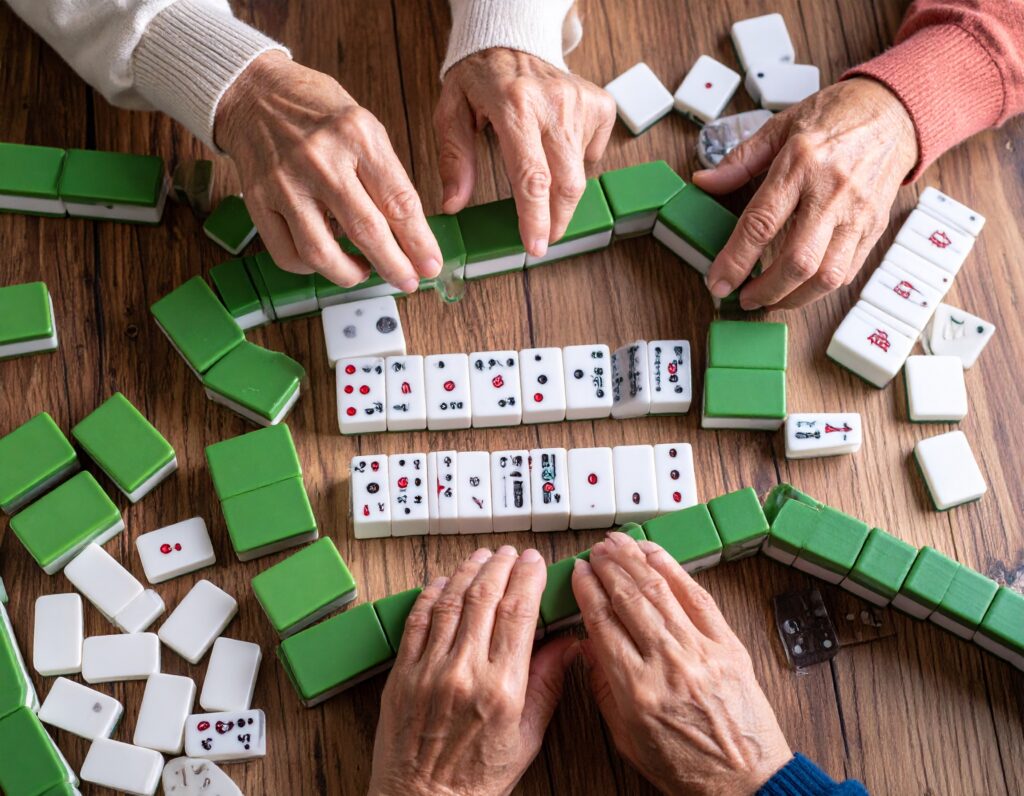
Mahjong is much more than a game. It’s a workout for your brain. Players use 152 beautifully designed tiles, and each round requires strategy, memory, quick thinking, and just a bit of luck.
So how does it work? Mahjong is a tile-based strategy game where four players compete to build a winning hand by drawing and discarding tiles, similar to rummy. The goal is to match specific combinations listed on an official annual card. It’s a mix of skill, memory, and just enough luck to keep every game exciting.
The game begins with an “East” player, and play proceeds counterclockwise. As each tile is drawn and discarded, players must decide quickly whether to claim it, pass, or adjust their strategy. The challenge lies in reading other players’ moves and adjusting your own approach in real time.
“Mahjong sharpens the brain,” says Barbara. “It involves thinking, calculating, predicting, and focusing. But it also brings people together. It’s social and fun.”
That combination, mental challenge and deep social connection, is part of what makes Mahjong so enduring. Studies have shown that mentally stimulating leisure activities, such as Mahjong, can reduce cognitive decline and support emotional well-being in older adults. Importantly, Mahjong is easy to learn, but every game feels different. A new official card is released each year, giving players fresh hands, strategies, and reasons to keep playing.
From Teaching Friends to Growing Communities
Barbara now teaches Mahjong to others in her community. “Anyone can learn if they’re willing to put in the time and really play. You can’t learn from a book. You have to sit down and do it.”
Her weekly games have become a tradition, growing as more players join in. What starts as curiosity often becomes a weekly highlight. That’s exactly what happened for Bunny, one of Barbara’s new players. “I never expected to love it so much,” Bunny says. “I look forward to our weekly meetups, and now I even find myself playing on an app between games. It’s smart, social, and fun.”
The Tiles Themselves Tell a Story
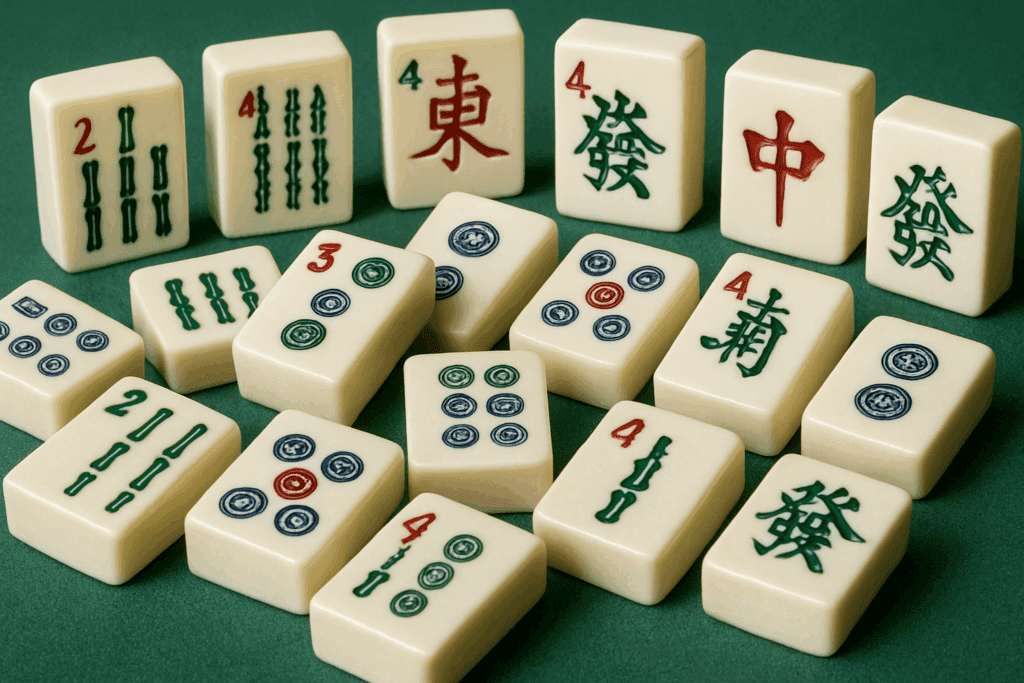
For many players, Mahjong isn’t just about the game itself. The tiles often carry decades of memories. Mahjong sets are frequently passed down through generations, connecting players to family traditions and moments shared around the table. The designs are intricate, featuring characters, bamboo, dragons, and flowers. Many players, like Barbara, feel a strong emotional connection to their original sets.
“These tiles have been with me for decades,” Barbara says. “When I play, I think of my mother, my aunt, and the laughter we shared around the table.”
Ready to Try It?
You can start with an app like Real Mah Jongg or Mahjong Time, or ask a friend to show you the basics. Many senior centers, libraries, and community groups offer classes and beginner-friendly games.
Whether you’re in it for the strategy, the friendships, or the fun of collecting beautiful tiles, Mahjong continues to bring people together around the table, creating memories and traditions that last far beyond the game itself.
Meet the Contributor

Barbara Eigg