

A stroke can leave lingering effects that feel unfamiliar and frustrating. Movements you once made without thinking may now feel slower, shakier, or uncoordinated. Simple daily tasks like standing from a chair or walking across a room can require intense concentration. For many stroke survivors, these changes can feel discouraging, but they’re also a normal part of the recovery process.
After a stroke, the brain’s communication with the muscles is disrupted. Depending on which area is affected, you may experience weakness on one side, stiffness, balance difficulties, or even numbness. But with patience and consistent effort, it’s possible to regain strength, coordination, and confidence over time.
“Every stroke is different,” says Katherine Brown, a licensed physical therapist. “But the brain is remarkably adaptable. Even small, consistent movements can retrain the body and help rebuild those neural pathways.”
Harriet, 73, from Ohio, recalls her first weeks back home. “I felt trapped in my own body. The idea of exercising scared me. But I started with tiny movements, and slowly, I got stronger. I’ve gained more back than I ever thought possible.”
Start Slowly and Build Over Time
Stroke recovery is not about speed. Katherine encourages people to focus on good, controlled repetitions instead of rushing. Even five to ten well-performed repetitions are a meaningful start. As strength improves, you can slowly increase your repetitions or time.

Everyday Exercises That Support Recovery
You don’t need a gym or fancy equipment to get started. Many of the best exercises for stroke recovery can be done from the comfort of your home with just a chair and a little space.
Try these gentle, therapist-recommended movements:
Sit-to-Stand Repetitions: Sit upright in a sturdy chair with both feet flat on the ground. Lean forward slightly, engage your core, and press through your heels to stand. Lower yourself back down slowly and with control. This builds leg, hip, and core strength.
Seated Leg Extensions: While sitting, slowly straighten one leg and hold briefly before lowering. This strengthens the quadriceps, which are important for stability while walking.
Marching in Place: Either seated or standing with support, gently lift one knee at a time to promote balance and coordination.
Short Walks Indoors: Begin with just a few steps across the room. These small walks improve circulation, boost endurance, and increase confidence.
Harriet recalls how powerful it felt when she could stand without using her arms. “It felt like I got part of my life back,” she says. “That one small moment made a huge difference.”
Mirror Therapy Can Reconnect Mind and Body
For some stroke survivors, one side of the body may feel unresponsive or “forgotten.” Mirror therapy offers a simple way to retrain the brain to reconnect with that weaker side. By placing a mirror to reflect the stronger limb and hiding the affected one behind it, the brain begins to interpret the reflection as a movement on both sides. This method can be especially helpful for balance, awareness, and coordination, even with just a few minutes each day.
Every Recovery Looks Different
Recovery can be slow and sometimes frustrating, but every small gain is a victory. Celebrate your progress, take breaks when needed, and remember: consistency is more important than intensity.
Your body and brain are working together to heal. As Katherine Brown notes, every stroke is different, and so are the resulting physical deficits. That’s why working with a physical therapist to create a personalized Home Exercise Program (HEP) is essential. They can ensure you’re doing the right exercises for your specific needs, and progressing at the right pace.
There is no one-size-fits-all path after a stroke. Some people experience loss of mobility on one side. Others experience balance issues or difficulty controlling movement. A licensed physical therapist can help create a customized exercise plan that supports your individual needs, goals, and safety.
About the Expert
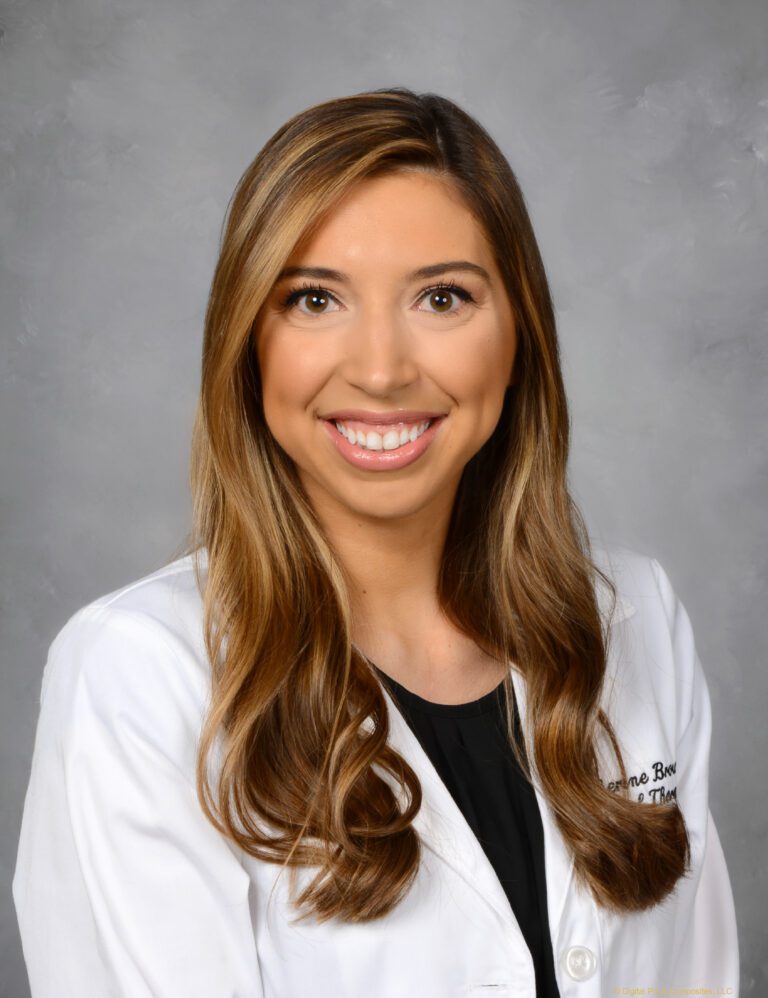
Katherine Brown, PT, DPT is a physical therapist with FOX Rehabilitation, specializing in geriatric care in the Charleston, SC area. With three years of experience, Katherine has worked across acute care, inpatient rehab, pediatrics, and home-based therapy, and has a special passion for helping older adults regain strength and confidence. Originally from Auburn, AL, she earned her undergraduate degree from Furman University and her Doctor of Physical Therapy from Bellarmine University in Louisville, KY. Katherine has called Charleston home for the past three years and enjoys building strong relationships with her patients and their families.
This article is for informational purposes only and does not replace professional medical advice. Consult a qualified healthcare provider with any health concerns.