
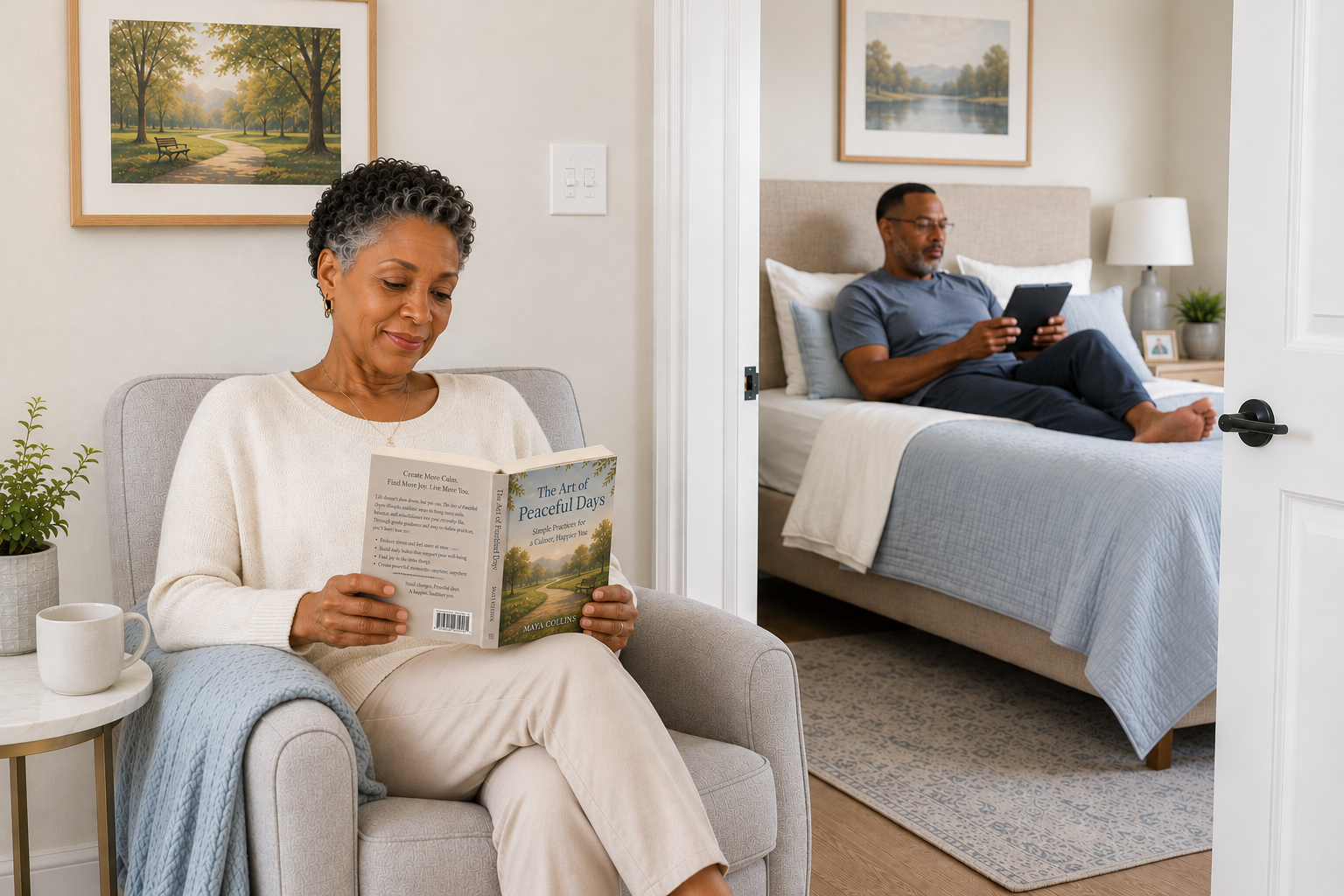
For generations, sleeping in separate beds was viewed as something couples quietly avoided talking about. It carried an unspoken assumption that the relationship must be struggling, that affection had faded, or that emotional distance had somehow taken over. But today, many couples are beginning to rethink that idea entirely. In fact, for a growing number of people, sleeping separately has nothing to do with wanting less connection. It has everything to do with wanting better sleep, better health, and in many cases, a happier relationship overall.
The shift has become so common that experts now refer to it as “sleep divorce,” though many couples dislike the dramatic term because it rarely reflects what is actually happening. According to survey data highlighted by Harvard Health Publishing, nearly one-third of Americans report occasionally or regularly sleeping apart from their partner. What surprises many people is that a large number of those couples say the arrangement actually improved their relationship rather than hurting it.
When Sharing A Bed Stops Feeling Restful
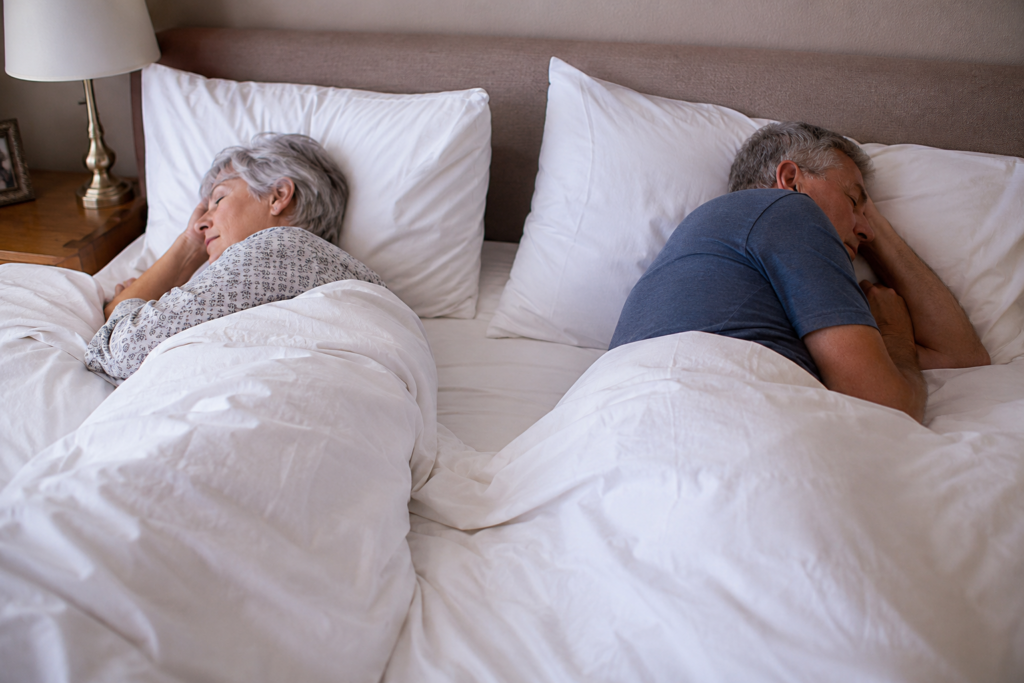
For most couples, the change does not happen overnight. It usually begins with small frustrations that slowly build over time. One partner snores loudly enough to wake the other several times a night. Someone constantly tosses and turns. One person likes the room icy cold while the other piles on blankets. One falls asleep with the television on while the other needs complete silence. Retirement schedules can suddenly throw routines off balance too, especially when one person starts waking at dawn while the other finally enjoys sleeping later after decades of work and responsibilities.
At first, many couples simply try to push through it because sharing a bed feels like part of being in a committed relationship. But over months and years, chronic poor sleep can start affecting far more than energy levels. Exhaustion has a way of changing the tone of everyday life. Small annoyances become bigger arguments. Patience wears thinner. Conversations feel shorter. People become more irritable without even realizing how much sleep deprivation is affecting them.
According to the Cleveland Clinic, poor sleep can negatively impact both emotional wellbeing and relationship satisfaction, which is one reason more couples are exploring different sleep arrangements. For many readers, that reality probably feels familiar. Sometimes the issue is not the relationship itself. Sometimes both people are simply exhausted.
Why Sleep Struggles Are Changing Relationships
Modern life has made quality sleep harder to achieve than ever before. People are living longer, dealing with more stress, balancing caregiving responsibilities, managing chronic health conditions, and navigating sleep disruptions that become increasingly common over time. Menopause symptoms, chronic pain, insomnia, restless leg syndrome, sleep apnea, medication side effects, and anxiety can all turn bedtime into a nightly struggle. In many relationships, separate sleeping arrangements become less about emotional distance and more about practical survival.
Ironically, once both people finally begin sleeping well again, many couples discover they actually enjoy each other more during the day. They feel more patient, more rested, and more emotionally available. Researchers and sleep experts continue to point to the strong connection between sleep quality and relationship health. A recent discussion published by RAND noted that improving sleep often improves emotional regulation, communication, and stress management within relationships as well.
Sleeping Separately Does Not Mean Less Intimacy
One of the biggest misconceptions about sleeping separately is the belief that couples suddenly stop being affectionate or emotionally connected. In reality, many couples create routines that still prioritize closeness. Some spend time cuddling or talking together before heading to separate rooms for the night. Others sleep together on weekends but apart during busy workweeks or during periods when health issues flare up. Many couples say that removing nightly frustration around sleep actually allows them to feel more connected because resentment no longer builds quietly in the background.
Sleep psychologist Molly Atwood explained in an interview with Axios that there should not be stigma around couples choosing separate sleep arrangements if it helps both people function better and feel healthier. That perspective is becoming increasingly common as more people openly discuss the reality that relationships do not always need to follow traditional expectations in order to be strong.
Many couples also discover that intentional connection becomes more important once sleep is no longer automatic shared time. Instead of collapsing into bed exhausted and distracted, they create routines that actually encourage conversation and closeness. They may spend time watching a show together, reading side by side, taking evening walks, or simply talking before heading off to sleep separately. For some couples, that intentionality strengthens the relationship in ways they did not expect.
Why Some Couples Still Prefer Sleeping Together
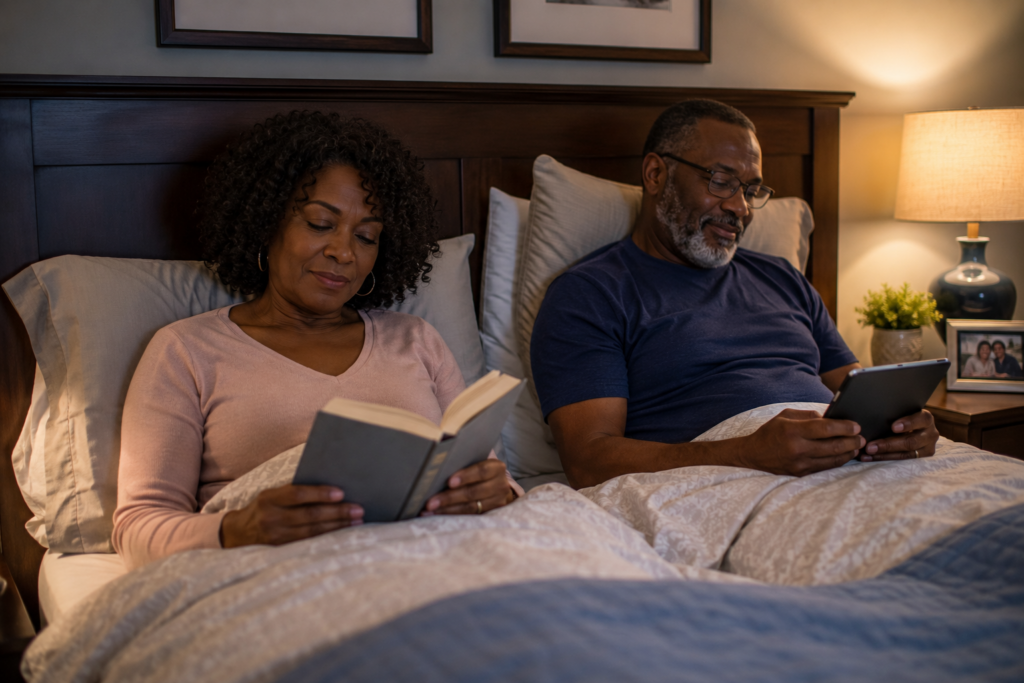
At the same time, experts also acknowledge that sleeping separately is not the right choice for every couple. For some people, sharing a bed provides emotional comfort, reassurance, affection, and a sense of closeness that deeply matters to them. Research discussed by The Guardian referenced findings from the University of Hertfordshire suggesting that couples who sleep physically closer together often report feeling emotionally closer as well.
That is why communication becomes so important. The healthiest arrangements tend to happen when both people openly discuss what they need and continue making time for connection outside of sleep itself. Problems usually arise not from the sleeping arrangement alone, but from assumptions, hurt feelings, or avoiding the conversation altogether.
For some couples, separate bedrooms become a long-term solution. For others, it is temporary during stressful periods, medical treatments, caregiving responsibilities, or sleep disruptions. There is no universal formula that works for every relationship, and many experts say that flexibility matters far more than following old expectations.
Small Sleep Changes That Can Make a Big Difference
In many cases, couples also discover there are simpler solutions worth trying before moving into separate bedrooms altogether. A larger mattress, separate blankets, white noise machines, cooling bedding, or treatment for sleep apnea can sometimes dramatically improve sleep quality. Experts interviewed by Axios noted that even small adjustments, such as improving mattress size or changing bedroom temperature, can make a significant difference for couples struggling with disrupted sleep.
It is also important not to dismiss certain sleep issues as simply “part of getting older.” Loud snoring, gasping during sleep, severe exhaustion, or constant waking throughout the night can signal underlying health conditions that deserve medical attention. Sleep apnea alone affects millions of adults and can impact heart health, cognitive health, blood pressure, and overall wellbeing if left untreated.
For many readers, this conversation may also feel reassuring because it removes the pressure of believing relationships must look one specific way in order to be healthy. More couples today are redefining what partnership looks like in real life. Some maintain separate hobbies or friend groups. Some travel independently from time to time. Others keep different daily routines while still remaining deeply connected emotionally. Sleeping separately, for many couples, has simply become another example of finding what works best for both people rather than following expectations that may no longer fit their lives.
What Matters Most is the Long-Term Relationship
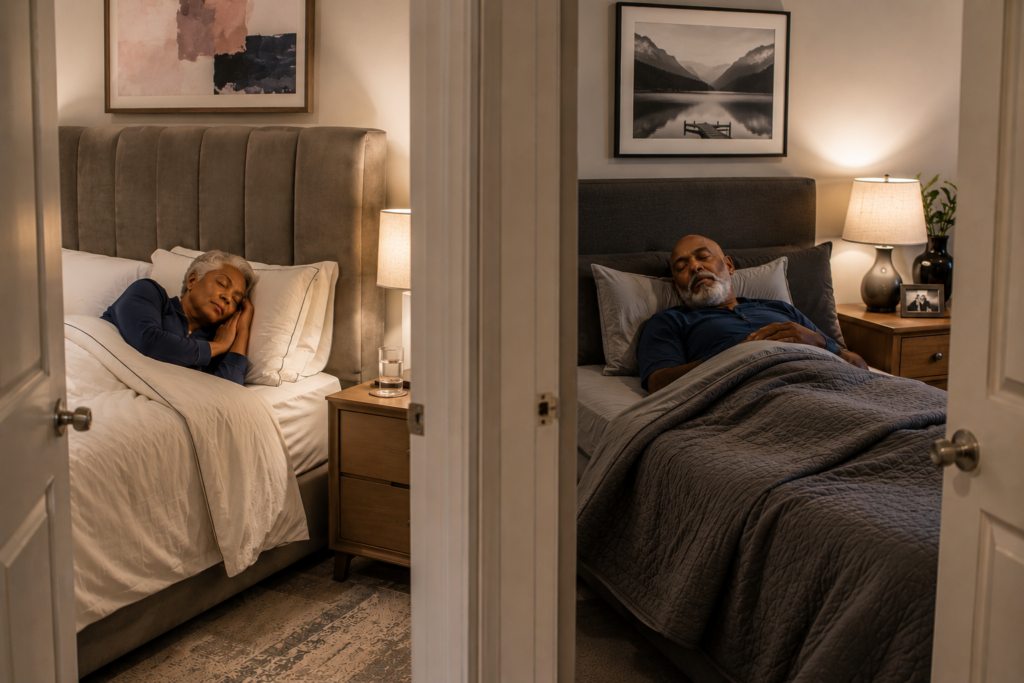
At the end of the day, the strength of a relationship is not measured by whether two people spend every night in the same bed. It is measured by how supported, respected, connected, and understood they feel with one another. For many couples, getting consistent, restorative sleep has unexpectedly become part of protecting that connection rather than harming it.
And for readers quietly wondering whether sleeping separately means something is wrong with their relationship, the answer may be far simpler than expected. Sometimes it simply means both people are trying to wake up feeling healthier, calmer, and more like themselves again.
For more conversations on companionship, family dynamics, emotional wellbeing, and modern relationships, explore the ZestYears Relationships section.

ZestYears Editorial Team