

Every experienced accessible traveler has the same scar story, a hotel that promised accessible and delivered a single grab bar beside a tub, or an elevator that existed but stopped one floor short of the room. The lesson behind those stories is that hotel accessibility questions need to be specific, asked of the right person, and confirmed in writing, because the word accessible has no universal definition and booking sites reduce it to a checkbox. The good news is that a ten-minute phone call with the right script prevents essentially all of these disappointments. Here’s the script.
The Bathroom Questions, Because That's Where Trips Fail
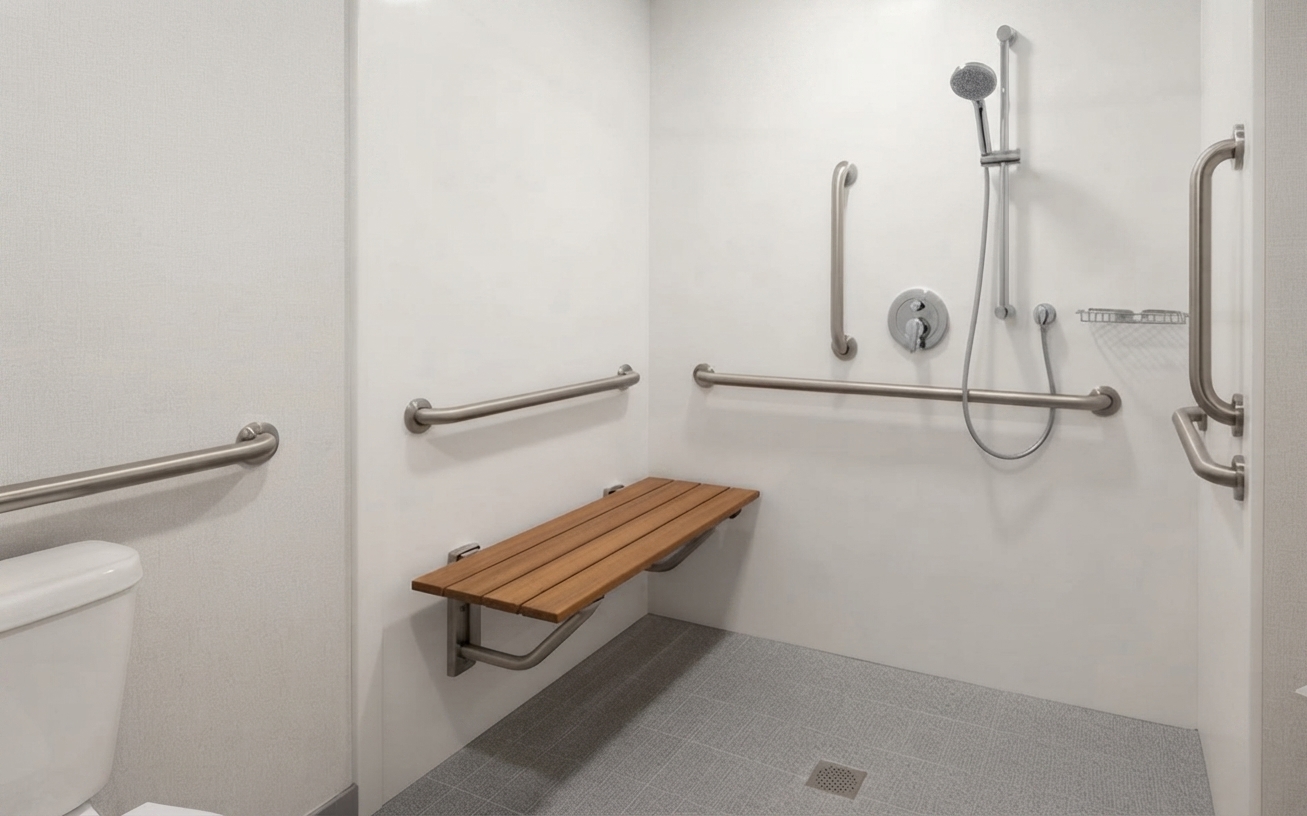
The bathroom is where accessible claims most often collapse, so start there and be concrete. Ask whether the accessible room has a roll-in shower or a tub, since hotels routinely call tub-with-grab-bar rooms accessible, and if you need the roll-in, ask whether it has a fold-down bench or whether they’ll place a shower chair, which most properties can. Ask the toilet height and which side its grab bars sit on, a detail that matters enormously to anyone transferring from a chair, and ask whether the sink allows a wheelchair to roll under. Request photos of the actual room by email, a completely normal ask that good hotels fulfill same-day, and which surfaces problems the phone can’t.
In the US, the ADA sets real standards for these features, summarized in plain language at ADA.gov’s hotel reservations page, which also requires hotels to describe accessible features in enough detail for you to judge, and to hold the accessible room you reserve rather than treating it as a request. Abroad, no such floor exists, which makes the specific questions and the photos even more essential.
The Building Questions Nobody Thinks to Ask
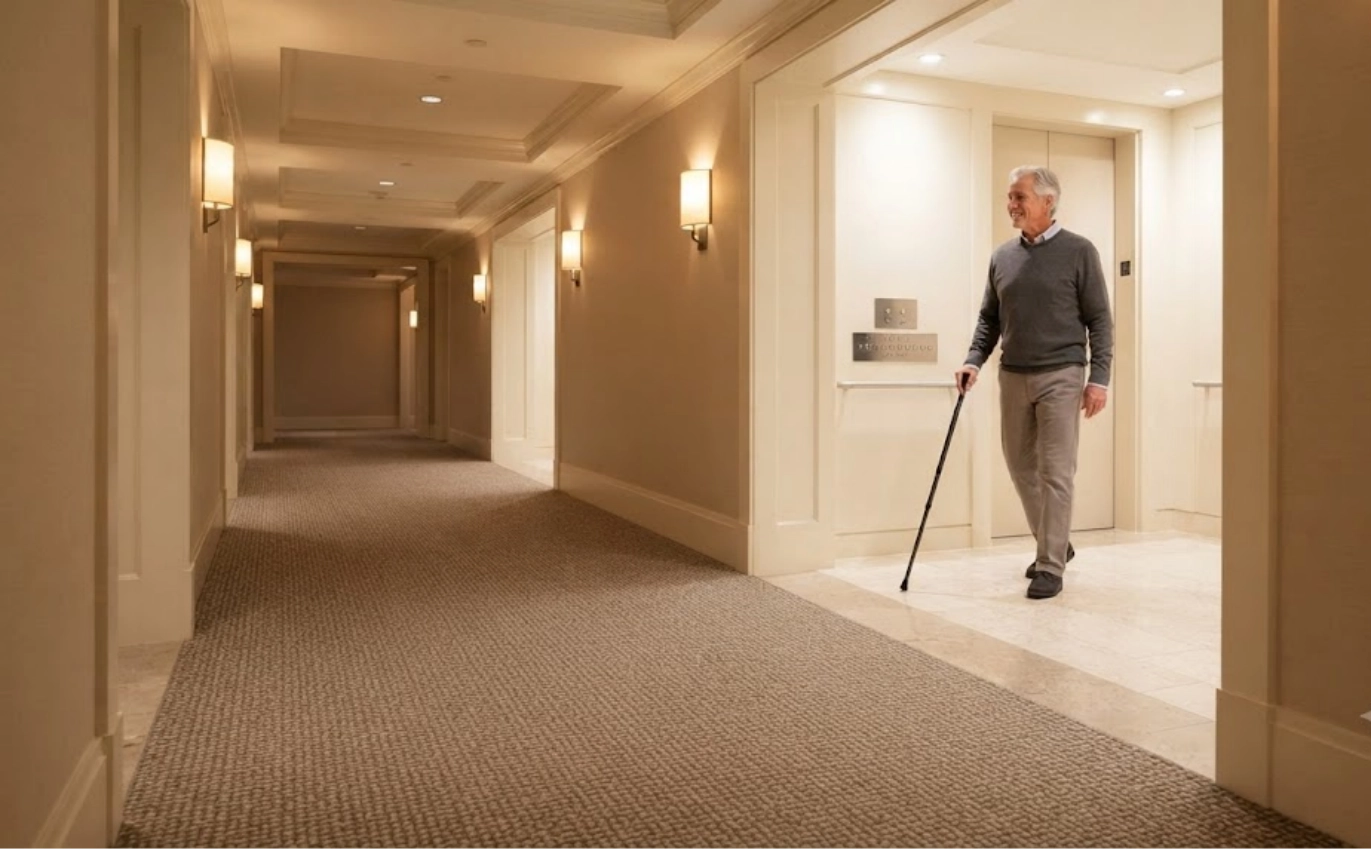
Beyond the room, the building’s geography decides your daily experience. Ask whether there’s an elevator, whether it reaches every floor including breakfast and the restaurant, and how large it is, since charming European lifts sometimes fit one person and no wheelchair. Ask how far the accessible room sits from the elevator, and request the closest available. Ask about the entrance, whether it’s step-free or which entrance is, and how far the accessible parking or drop-off point sits from the door. Ask whether the route from lobby to restaurant to pool involves steps, because interior steps are the surprise no listing mentions. And ask the question veterans always add: if the elevator goes out of service, what’s the plan, since a third-floor accessible room becomes inaccessible the moment maintenance is scheduled, and hotels with real accessibility cultures have an answer ready.
These questions apply doubly to the historic inns and boutique properties that make travel charming, which is not a reason to avoid them, only a reason to ask first, as our story on Europe’s best accessible cities found even in the friendliest destinations.
How to Ask, and How to Make It Stick
Method matters as much as the list. Call the hotel directly rather than the chain’s central line, since only the front desk knows whether the elevator actually reaches the annex, and ask for a manager or the person who knows the accessible rooms personally. After the call, email a summary of everything promised, ask for a reply confirming it, and bring the thread with you, a two-minute habit that converts verbal assurance into something a front desk honors at check-in. Reconfirm the specific room a few days before arrival, since accessible rooms are the ones most often given away when hotels oversell, and arriving earlier in the day protects you further.
The Payoff
One reader who travels with a power chair keeps a saved email template of her twelve questions and reports that the answers now decide her bookings faster than price does, because a hotel that answers promptly and specifically is telling her something about how the whole stay will go. That’s the deeper function of the accessibility call: it’s a preview of the property’s competence. The hotels that measure their doorways when you ask are the same ones that will have the shower chair waiting, the room by the elevator, and a staff that treats access as hospitality rather than compliance. Ten minutes on the phone buys you that hotel, every trip, and retires the scar story for good. For a second opinion before booking, the property intelligence collected by the Society for Accessible Travel & Hospitality is a smart cross-check.

Written by the
ZestYears Editorial Team