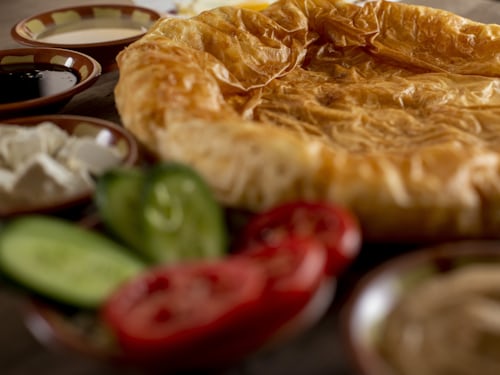

If you’ve never tried Turkish food, now is the time. It’s vibrant, layered, and deeply rooted in centuries of culinary wisdom. For Chef Loni Tavasi, food isn’t just something you eat. It’s how you connect the past and future. With recipes passed down through Ottoman, Turkish, and Sephardic kitchens, he is on a mission to share the soul of his heritage through food and tradition. If you enjoy food that feels both comforting and new, Turkish cuisine offers a beautiful place to begin. You don’t need special equipment or advanced skills, just curiosity and a love of good food.
Meet Chef Loni Tavasi: A Life Built Around Flavor
Chef Loni Tavasi began his culinary path as a teenage apprentice in a bustling hotel kitchen back in 1999. “I was only seven when I first fell in love with cooking,” he recalls. “I’d hang around my grandmother’s kitchen, asking for special things, watching her every move.” That curiosity grew into a career rooted in discipline and creativity.
With two university degrees in gastronomy and culinary arts, Chef Loni now runs Loni’s Private Chef Services, where he crafts handmade meals, hosts culinary workshops, and teaches young chefs the art of tradition. His specialties include sujuk (spicy sausage), pastirma (air-dried cured beef), pillowy pide bread, and the ancient dessert ashure, each one a culinary postcard from Turkey’s richly layered history.
Many of us learned our first kitchen lessons the same way, by watching someone we loved cook without a recipe, guided by instinct and care. Chef Loni’s work is a reminder that those early food memories never leave us.
Every dish teaches you something, Chef Loni shares. Patience, creativity, and how to make the most of what nature gives you.
What Makes Turkish Food So Unique?
Turkish cuisine draws on centuries of Ottoman influence and is known for its intricate use of herbs, grains, and natural ingredients. It’s a cuisine that is as nourishing as it is flavorful, built on the principle of eating with the seasons and cooking with care.
“I cook traditionally and naturally,” says Chef Loni. “The smell of fresh herbs, the texture of seasonal fruits, the colors of the market, all of it inspires the dish before it even begins.”
For seniors looking to explore new flavors, Turkish food is a perfect fit. It’s aromatic but not overly spicy, deeply nutritious, and often built on vegetables, legumes, and olive oil. It’s Mediterranean at heart with added complexity from centuries of cultural fusion. Turkish cooking also tends to be gentle on digestion, relying on slow cooking, balanced spices, and wholesome ingredients rather than heavy sauces or heat. It’s food meant to nourish, not overwhelm.

Chef Loni’s Vişneli Yaprak Sarması
(Sour Cherry-Stuffed Grape Leaves)
This vegetarian dish is a showstopper. It’s sweet, tangy, earthy, and rich with spice. And yes, it’s easier than it looks. This dish looks impressive, but it’s forgiving and flexible. You can work at your own pace, prepare it ahead of time, and serve it warm or at room temperature, making it ideal for relaxed entertaining or a quiet weekend project.
Ingredients:
- 10 oz (300 g) fresh or jarred grape leaves
- 1 ½ cups short-grain rice
- 7 oz (200 g) sour cherries (fresh or frozen)
- 3 bunches fresh parsley, chopped
- 1 bunch fresh mint, chopped
- 3 cups caramelized onions (about ¾ lb)
- 2 tbsp dried thyme
- 3 tbsp ground cinnamon
- 3 tbsp ground allspice
- 2 tbsp ground cumin
- 3 tbsp kosher salt
- 2 tsp ground white pepper
- ½ cup pine nuts
- 1 cup vegetable oil
For the cooking liquid:
- 2 tbsp kosher salt
- 1 tsp white pepper
- ½ cup vegetable oil
- A handful of sour cherries
Instructions:
Step 1: Caramelize the Onions
Thinly slice onions in a food processor and sauté slowly with thyme and a bit of salt. Stir often and don’t rush. You’re aiming for a deep golden brown. Once done, add 2 cups of cold water and the pine nuts. Remove from heat and let cool.
Step 2: Make the Filling
In a separate pan, mix chopped parsley, mint, rice, spices, cherries, and oil. Sauté gently until the rice turns translucent. Stir in the caramelized onions, including the liquid, and simmer for about 15 minutes. Let it cool completely. It’s best if made a day in advance.
Step 3: Prep the Grape Leaves
Blanch fresh grape leaves in boiling water for 30 seconds. If using jarred leaves, blanch for about 1 minute. Transfer to ice water to stop the cooking. Lay leaves vein-side up on a work surface.
Step 4: Roll
Place about ½ tablespoon of filling near the base of each leaf. Fold the sides over the filling, then roll up like a cigar. Pack tightly into a deep pan. Layer extra grape leaves or onion slices on the bottom to prevent sticking.
Step 5: Simmer and Serve
Top with a heat-safe plate or weight. Mix the cooking liquid ingredients and pour over the stuffed leaves. Simmer gently on low heat until the rice is fully cooked, about 40 to 50 minutes. Cool to room temperature.
Bringing Turkish Tradition Into Your Kitchen
Chef Loni believes food should tell a story. This one tells a tale of heritage and heart. Whether you’re new to Turkish cuisine or rediscovering old favorites, dishes like this are a delicious way to travel the world from your own kitchen. Sometimes the simplest way to explore another culture is through your own kitchen, one thoughtful dish at a time.
Ready to try more? Taste tradition with Chef Loni’s easy Turkish orange cookies, the very first recipe he learned from his grandmother. Click on this link to see the full recipe on ZestYears.
Meet the Chef
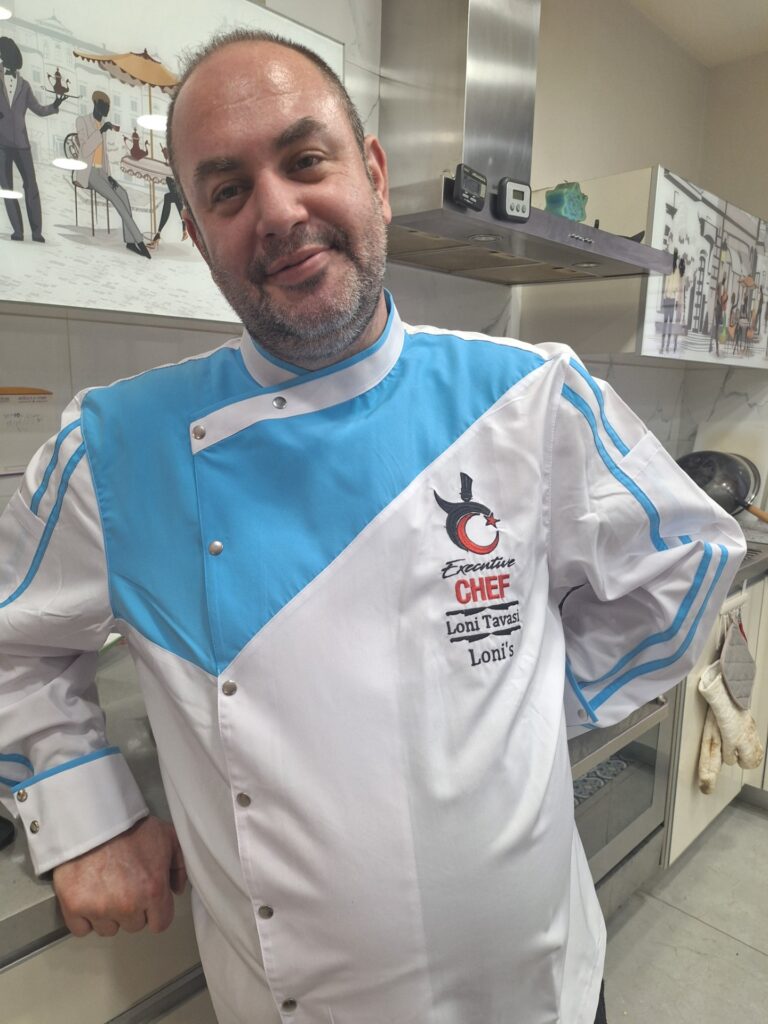
Chef Loni Tavasi is a Turkish-born culinary expert who began his journey in 1999 as an apprentice in a hotel kitchen while studying hospitality. Holding two university degrees in gastronomy and culinary arts, he specializes in Ottoman, traditional Turkish, and Sephardic cuisines. Today, he is the proud owner of Loni’s Private Chef Services, where he offers handcrafted meals, holiday catering, and culinary workshops, while also mentoring the next generation of chefs. His menus feature beloved dishes like sujuk, pastirma, pide, and ashure, each prepared with deep respect for Turkey’s rich food heritage. Chef Tavasi’s lifelong passion lies in sharing the flavors, stories, and cultural legacy of Turkish cuisine with audiences around the world.