

Ask seasoned travelers where their money went furthest in the past few years and Vietnam comes up with striking consistency, so it’s worth answering the question is Vietnam cheap to visit with actual numbers. A bowl of pho from a beloved Hanoi institution costs $2 to $3. A tailored jacket in Hoi An, fitted over two days, runs $60 to $120. A five-star hotel room that would command $500 in Europe books for $120 to $200, and a private car with driver for a full day of touring costs less than two airport taxis at home. Layer that value over a country of staggering beauty, imperial cities, limestone bays, terraced highlands, and one of the world’s great cuisines, and the bargain label starts looking conservative.
Here’s how to see it comfortably, because comfort is exactly what Vietnam’s prices buy.
The Comfortable Route: Three Bases, North to South
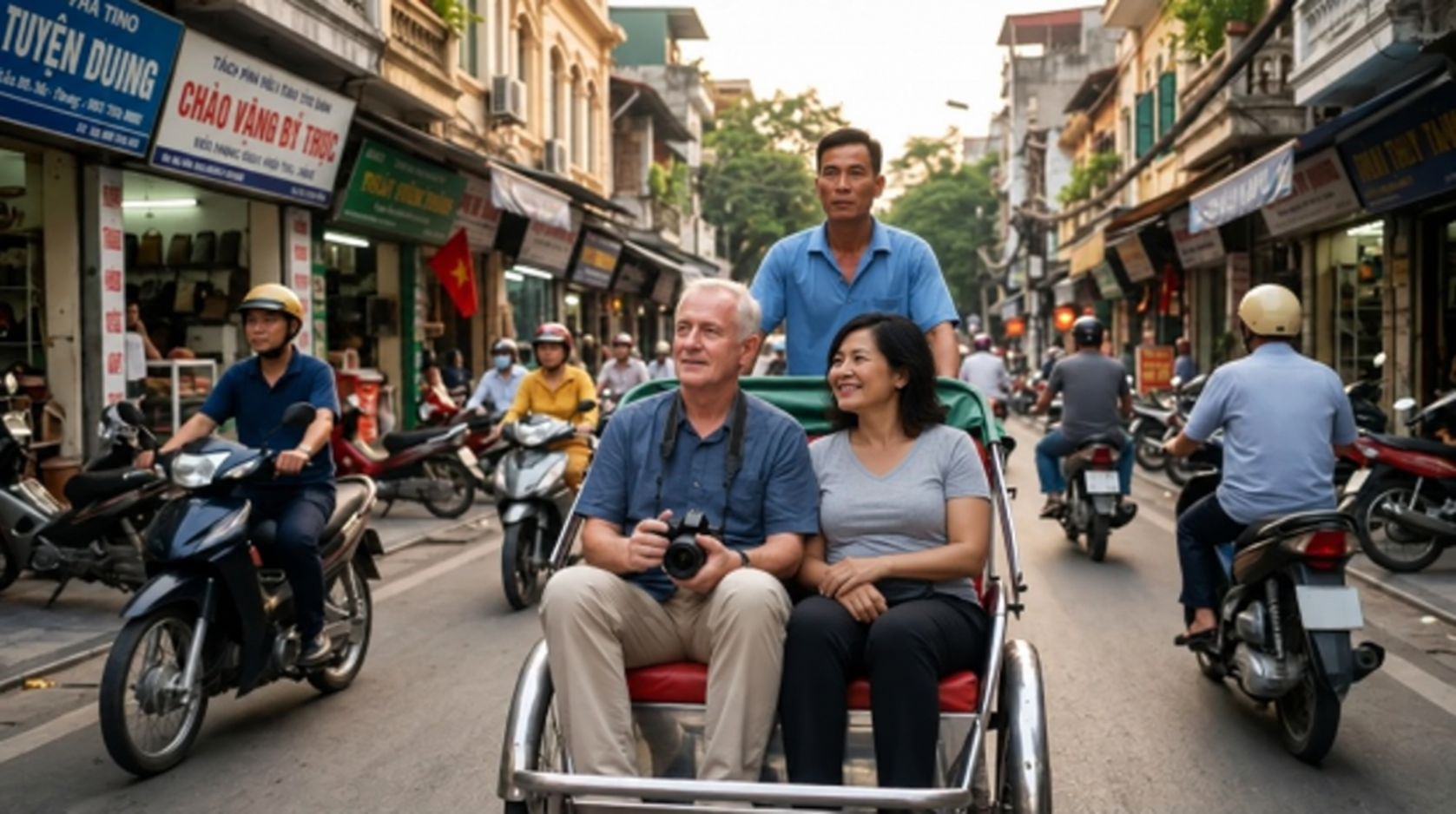
Vietnam stretches over a thousand miles, and the gracious itinerary picks three bases connected by short domestic flights, which cost $40 to $80 and spare you the long hauls. Start with three or four nights in Hanoi, the atmospheric northern capital of lakes, French colonial boulevards, and the Old Quarter’s ancient guild streets, using a cyclo tour or the city’s excellent food tours to navigate the famous traffic rather than battling it on foot.
From Hanoi, take the overnight or better yet the day cruise option to Ha Long Bay or its quieter neighbor Lan Ha Bay, where limestone karsts rise from jade water and a one-night luxury junk cruise, with cabins, seafood dinners, and sunrise tai chi on deck, costs what a dinner for two runs in a resort town at home. Then fly to Da Nang for four or five nights in Hoi An, the lantern-lit riverside town that most travelers crown the trip’s favorite, before finishing with two or three nights in Ho Chi Minh City’s buzzing south, or trading the big city for the beach resorts near Da Nang if rest calls louder.

Hoi An Deserves Its Reputation
If Vietnam has a perfect town for travelers who prefer strolling to striving, it’s Hoi An. The UNESCO old town closes to cars for much of the day, its mustard-yellow merchant houses and Japanese covered bridge glowing under silk lanterns each evening, and its scale suits slow exploration, with cafe stops built into every block.
The town’s legendary tailors will copy a favorite garment or build one from a photograph with two fittings, its cooking classes begin with market tours and end with lunch you made, and the beach sits fifteen minutes away by the hotel shuttles most properties run. Central Vietnam’s weather peaks February through May, while the north shines October through December and the south stays warm year-round, so the classic three-base route works most of the year with February through April the sweet spot for all three. The official tourism portal at Vietnam Travel covers regional weather honestly, and US citizens should confirm current visa requirements, handled as a straightforward e-visa, through the State Department’s Vietnam page.
Comfort Tactics That Cost Almost Nothing
Vietnam’s prices make upgrades trivially affordable, so take them all. Book the better hotel category, hire private guides and drivers rather than joining bus tours, and take the day-cruise or luxury-junk version of Ha Long rather than the budget boats. Use Grab, Southeast Asia’s rideshare app, for honest metered rides everywhere. Eat adventurously but choose busy places with high turnover, the universal street food safety rule, and consider a guided food tour your first night in each city, which calibrates your ordering for the rest of the stay.
Crossing the street in Hanoi deserves its own instruction: walk steadily and predictably, and the scooter river flows around you, a leap of faith that becomes second nature by day two. Pack light and let Vietnam’s same-day laundry services, a dollar or two per kilo, do the rest.
The Bottom Line
A two-week Vietnam trip for two, flown in comfort, sleeping in lovely hotels, guided privately, and eating like royalty, lands at a total that a single week in Western Europe now exceeds, and it delivers a depth of sensory memory, incense in Hanoi’s temples, lanterns on the Thu Bon River, the first spoonful of real pho, that travelers describe decades later. The real value isn’t the cheapness. It’s what the cheapness lets you afford: the trip’s most comfortable version, at the moment in life when comfort and wonder deserve each other.

Written by the
ZestYears Editorial Team