
Forget the seven-countries-in-ten-days marathon. This year, the savviest travelers are unpacking their bags, settling in, and discovering that less really is more.
If you’ve ever returned from a vacation feeling like you need a vacation, you’re not alone. For years, the default approach to travel was to cram as many landmarks, cities, and photo ops into a trip as humanly possible. But something has shifted. In 2026, travelers across every age group are embracing slow travel, the philosophy of spending more time in fewer places, swapping checklists for genuine connection.
According to a CNBC analysis of 25 major travel reports, travelers are increasingly choosing immersive, low-stress experiences over rushed itineraries. The trend is being driven by remote work flexibility, a growing awareness of overtourism, and the simple realization that a week spent in one neighborhood teaches you more about a place than blitzing through five cities ever could.
What Does Slow Travel Actually Look Like?
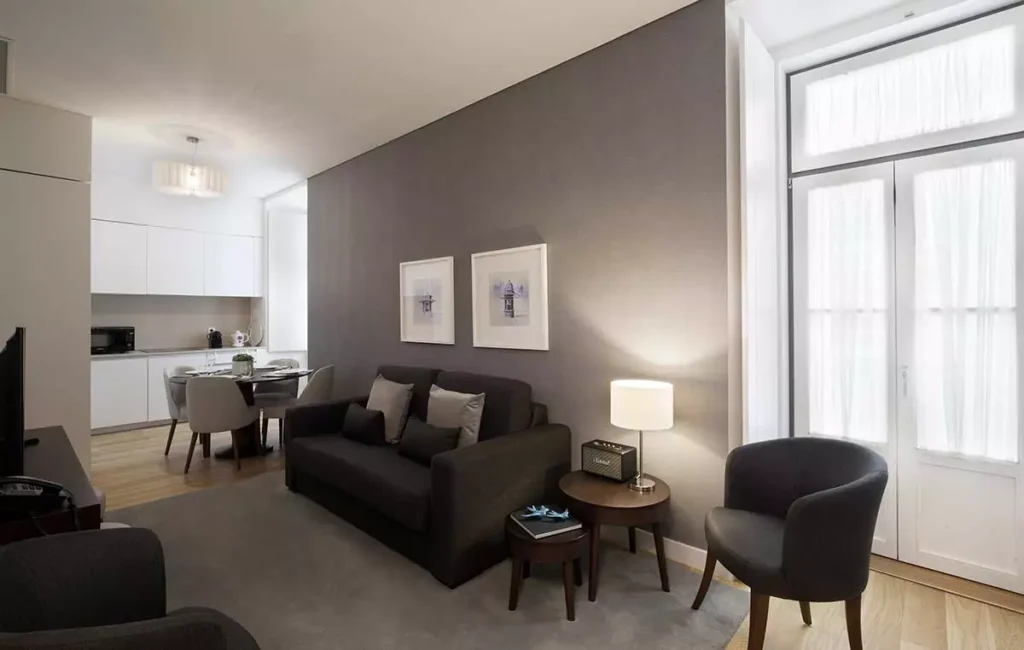
Imagine renting an apartment in Lisbon’s Alfama district for two weeks instead of hopping between Lisbon, Porto, and the Algarve in seven days. You learn which café makes the best pastel de nata, you find a morning walking route along the river, and by day four the baker remembers your order. That’s slow travel.
It doesn’t have to mean international trips, either. In the United States, destinations like Santa Barbara, Savannah, and Mackinac Island are drawing visitors who want to walk, observe, and settle into daily rhythms rather than race between attractions. A Swept Away Today guide to 2026 travel trends highlights smaller, walkable cities as the year’s breakout category, places that combine outdoor adventure with standout food and a sense of discovery that doesn’t require a packed itinerary.
Secondary Cities Are the Secret Weapon
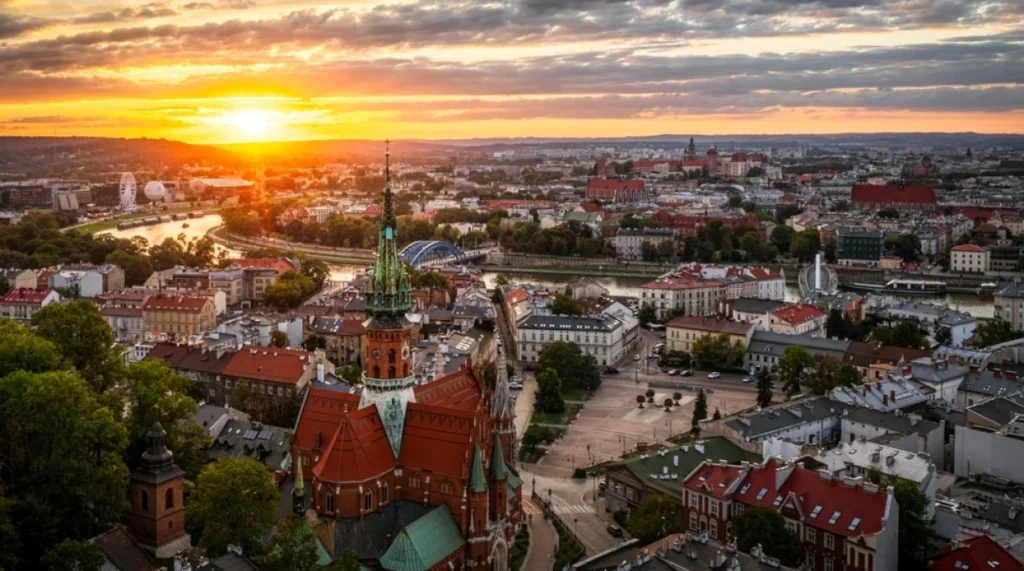
One of the most practical ways to embrace slow travel is to skip the famous capital and head to a secondary city instead. Think Ghent over Brussels, Lucca over Florence, or Kraków over Warsaw. These places offer the same cultural depth with a fraction of the crowds and often at a friendlier price point.
Online travel platform Agoda found that accommodation searches in Asia’s secondary destinations are growing significantly faster than in traditional tourism hubs, and governments are responding. Indonesia’s “Tourism 5.0” strategy, for example, is developing new priority destinations to shift visitors beyond Bali. Japan is running regional campaigns to distribute tourism more evenly across the country. A Euronews Travel report on 2026 trends notes that travelers are actively seeking offbeat destinations and using AI tools to find hidden gems they wouldn’t have discovered on their own.
How to Plan a Slow Travel Trip
Planning a slow trip is actually easier than planning a fast one. Start by choosing one destination and booking accommodation for at least a full week. Look for apartments or guesthouses with kitchens, cooking with local ingredients is one of the great pleasures of staying put, and it keeps your budget in check.
Leave your schedule mostly open. Build in a few anchor experiences: a cooking class, a market visit, a day hike and let the rest unfold naturally. The Cittaslow network, a global movement of over 300 small towns committed to sustainable, community-centered living, is a wonderful starting point for finding destinations built around this very philosophy. Towns like Orvieto in Italy, Ludlow in England, and Perth in Scotland have been designed for exactly the kind of pace you’re after.
Why It Matters for You
Slow travel isn’t just a trend, it’s a mindset shift that pays dividends long after you get home. You’ll spend less money, feel less exhausted, and come back with stories that go deeper than “we saw the Eiffel Tower.” You’ll remember the conversation you had with the vineyard owner, the shortcut through the olive grove, the afternoon thunderstorm you watched from a balcony with a glass of local wine.
If 2026 is the year you finally stop racing through your vacations, you might just discover that the best trip you’ve ever taken is the one where you barely left the neighborhood.
Ready to plan your slow travel escape? Explore more destination guides and trip planning tips at ZestYears Travel.

Written by the
ZestYears Editorial Team