

Travel booking data keeps ranking Prague among Europe’s fastest-growing destinations, and anyone asking is Prague worth visiting will find the answer written across six centuries of astonishingly intact architecture. The Czech capital escaped the wars that flattened so much of Europe, which means its Gothic spires, baroque palaces, and Art Nouveau facades stand exactly as built, stacked along the Vltava River like a set designer’s fantasy.
What’s driving the current surge is a combination travelers over 55 particularly appreciate: world-class beauty and culture at roughly half the daily cost of Paris or Rome, with a compact center, superb public transit, and a classical music tradition that puts affordable concerts on every night of the week. Here’s how to do the city right.
What Makes Prague Different
Most European capitals ask you to imagine their golden age. Prague simply shows it to you. The Charles Bridge at dawn, before the day trippers arrive, remains one of travel’s great free experiences, with the castle glowing above the river and saints’ statues silhouetted against the morning light.
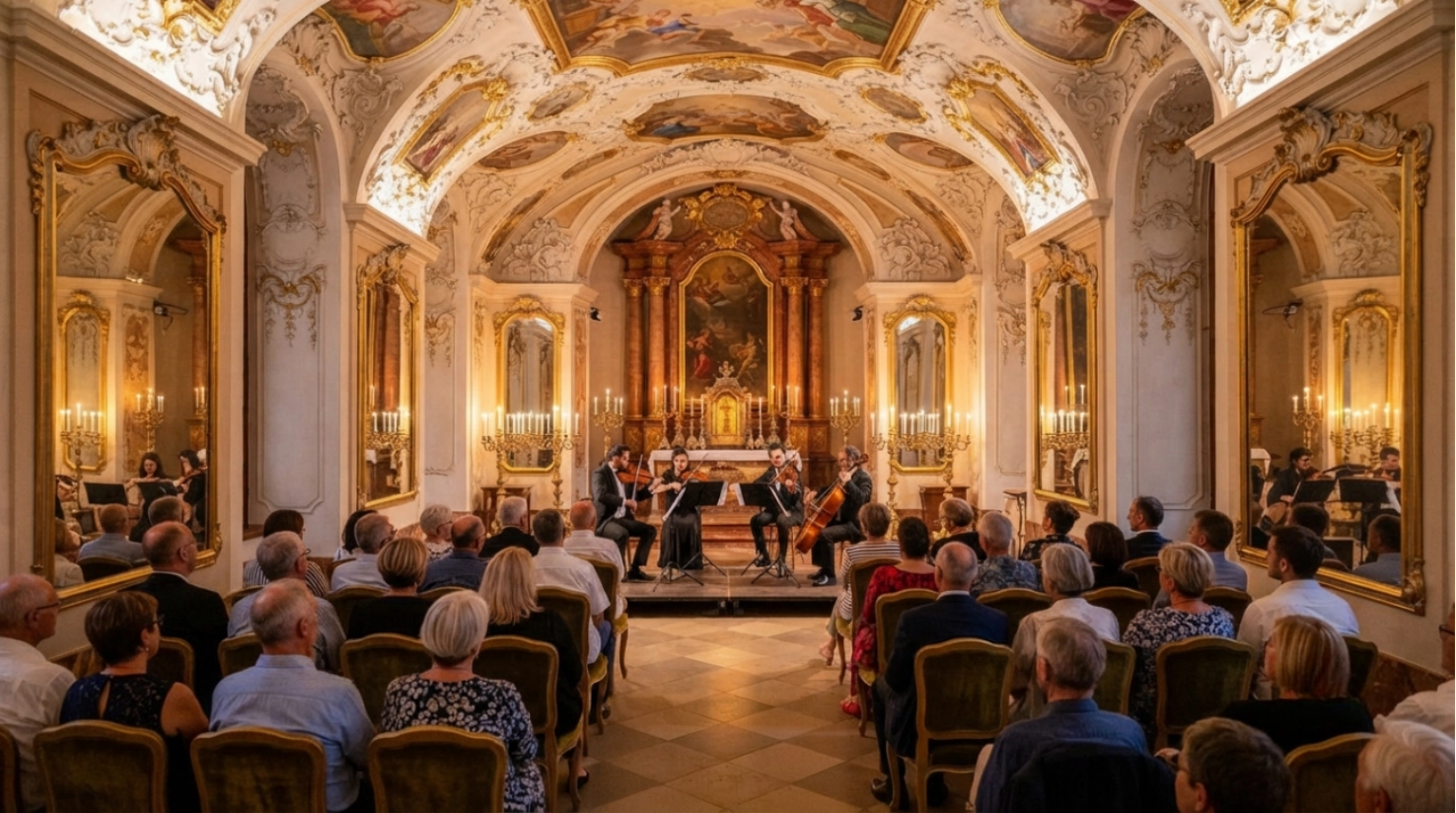
The Old Town Square’s astronomical clock has performed its hourly show since 1410. And the city rewards aimless wandering more than almost anywhere, since the entire historic center is a UNESCO site where the next lane reliably holds a courtyard, a bookshop, or a cafe from another era. Music is the other signature. Mozart premiered Don Giovanni here, and the tradition continues with nightly concerts in churches and palaces where excellent seats cost $20 to $40, a fraction of what comparable performances command in Vienna.
The Value Story
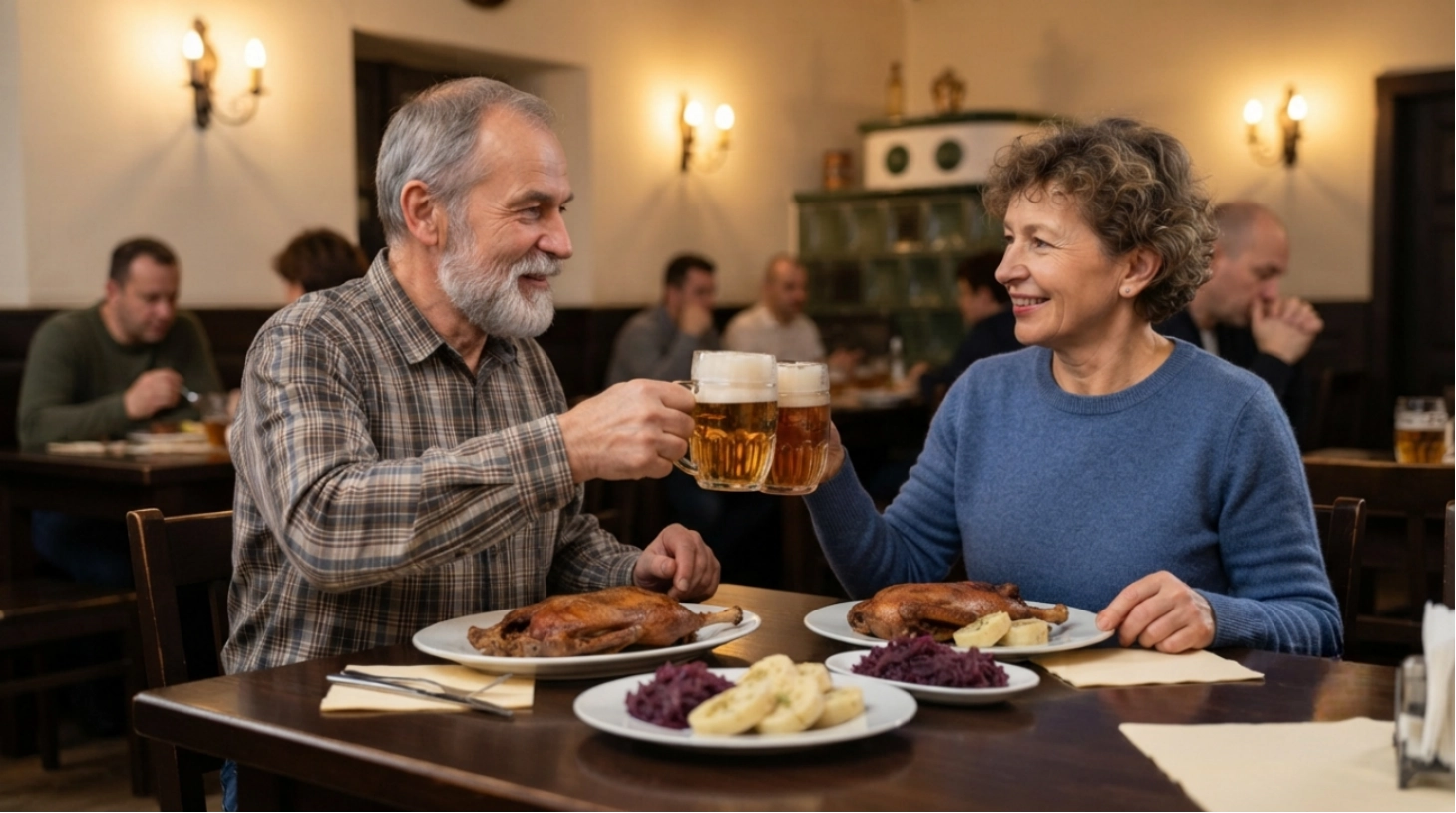
Prague sits outside the eurozone, and the Czech koruna keeps daily costs remarkably gentle. A hearty dinner of roast duck, dumplings, and the city’s celebrated beer runs $15 to $25 per person in a proper restaurant, and the beer itself, widely considered the world’s best, costs less than bottled water in much of Western Europe. Four-star hotels in the center frequently price under $150 a night outside December’s Christmas market peak. Taxis are affordable, though largely unnecessary, because the tram network is dense, cheap, and a pleasure in itself, with Tram 22 doubling as an unofficial sightseeing line past the National Theatre and up to the castle district, sparing you the famous hill entirely. The official city tourism portal at Prague.eu maintains current concert listings and transit guidance.
Doing It Comfortably
Prague’s one honest challenge is underfoot, since the historic center is paved in cobblestones that punish thin soles and reward sturdy walking shoes. The comfortable strategy is to base near the Old Town or the New Town’s flatter streets, use trams liberally, and take the funicular up Petrin Hill rather than climbing it. Benches and cafes appear every block or two, so rest stops never require planning. Visit the castle complex early or late, since midday brings the tour groups, and book the popular sights like the Municipal House tour ahead.
Give the city at least four nights, which allows a slower rhythm of one anchor sight each morning, long lunches, and evening concerts, plus a day trip to Kutna Hora’s remarkable cathedral or the spa town of Karlovy Vary. Autumn is the insider season, when summer crowds thin, the beer gardens glow, and hotel rates drop, and even winter has its devotees, since the Christmas markets rank among Europe’s loveliest.
Pairing Prague With Its Neighbors
Prague anchors Central Europe beautifully for a longer trip. Vienna and Budapest each sit about four comfortable train hours away, making the classic three-capital itinerary genuinely easy, and river cruise lines increasingly bundle Prague as a land extension to Danube sailings, a combination we explored in our story on why the Danube is Europe’s most romantic river journey.
Travelers looking to extend the value theme should also consider Zagreb, another Central European capital delivering beauty without the price tag, which we profiled in our piece on Croatia’s best winter city nobody talks about. Rail connections across the region are frequent and inexpensive, with first class upgrades costing little and delivering assigned seats and quiet cars. For planning specifics, the national rail portals and the excellent independent resource The Man in Seat 61 lay out every route, schedule, and booking trick.
Paris and Rome will always deserve their place on the list. But the travelers filling Prague’s concert halls this year have discovered something the rankings finally caught up with, which is that Europe’s most beautiful city break might also be its best priced one.

Written by the
ZestYears Editorial Team