
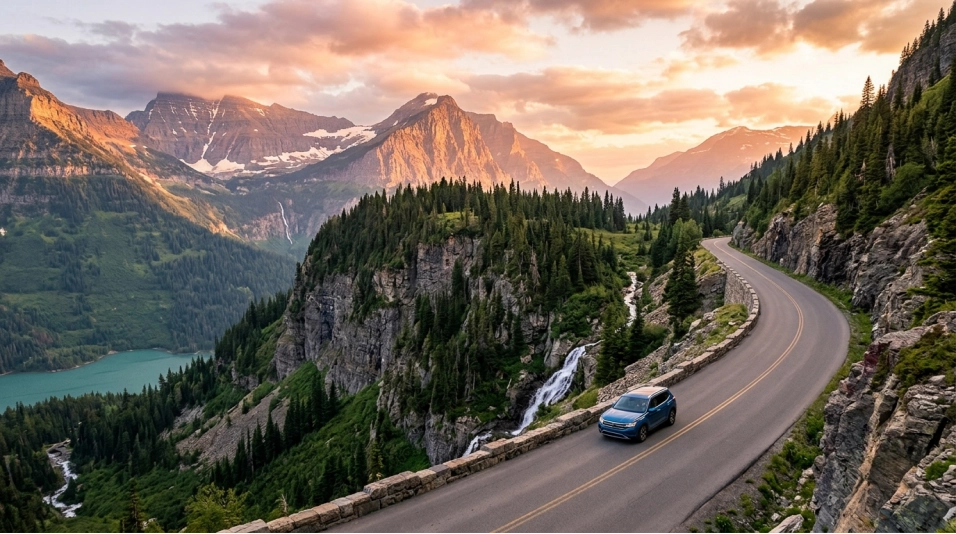
Interest in road trips rises steadily with every birthday we celebrate, according to AARP’s annual travel research, and it’s not hard to see why. The best scenic drives in America offer what no airport can: leave when you like, stop when something looks interesting, pack without weighing a bag, and watch the country change mile by mile instead of flying over it. The trick is choosing routes where the road itself is the destination. These five deliver, along with the timing and pacing strategies that separate a magnificent drive from a tiring one.
The Blue Ridge Parkway, Virginia and North Carolina
America’s longest linear park runs 469 miles along the Appalachian crest with no trucks, no billboards, and a 45 mph speed limit that turns driving into something meditative. The smart play is picking a section rather than attempting the whole thing. The 80 miles around Asheville pack in the highest peaks, the Folk Art Center, and easy leg stretching walks to waterfalls, with Asheville’s restaurant scene waiting each evening. October is glorious and busy, while late September and early June offer nearly the same beauty with half the traffic. The National Park Service’s Blue Ridge Parkway page posts section closures, which matter in shoulder months.
California's Highway 1, Done the Right Direction
The Big Sur coast needs no introduction, but two tips change the experience entirely. Drive south to north, which puts your car in the lane away from the cliff edge and makes every pullout an easy right turn, a small adjustment that nervous passengers appreciate enormously. And bookend the drive with nights in the towns rather than rushing through, since Big Sur rewards a slow morning when the fog lifts off the water around 10 a.m. The northern terminus deposits you in Carmel-by-the-Sea, one of our favorite coastal towns anywhere, and our Carmel-by-the-Sea travel guide covers how to make it a proper stay rather than a drive through.
Going-to-the-Sun Road, Montana
Fifty miles through Glacier National Park, over the Continental Divide, past waterfalls that spray the roadway. Many seasoned travelers call it the single most spectacular drive in the country, and they’re not wrong. It’s fully open only from roughly late June into September depending on snow, and the park has used vehicle reservations in peak season, so check current requirements on the Glacier National Park site before you plan. If tight mountain driving isn’t your idea of relaxation, here’s the insider move: the park’s vintage red buses run guided tours over the road with the tops rolled back, which means everyone in your party gets to look up at the peaks instead of at the center line.
The Great River Road and Utah's Highway 12
Two more for contrast. The Great River Road follows the Mississippi through ten states, and its finest stretch may be the bluff country between Minneapolis and Dubuque, where eagles ride the thermals and river towns like Red Wing and Galena serve pie that justifies the trip alone. It’s an ideal fall drive with almost none of the leaf season crowding of New England. Utah’s Highway 12, meanwhile, is just 124 miles but may contain more scenery per mile than any road in America, connecting Bryce Canyon to Capitol Reef over a razorback ridge with thousand foot drops on both sides and stops at farm to table restaurants in the improbable little town of Boulder. Pair it with the quiet parks strategy from our guide to visiting shoulder season travel and you’ve got a world class week.
Pacing: The Real Secret of a Great Road Trip
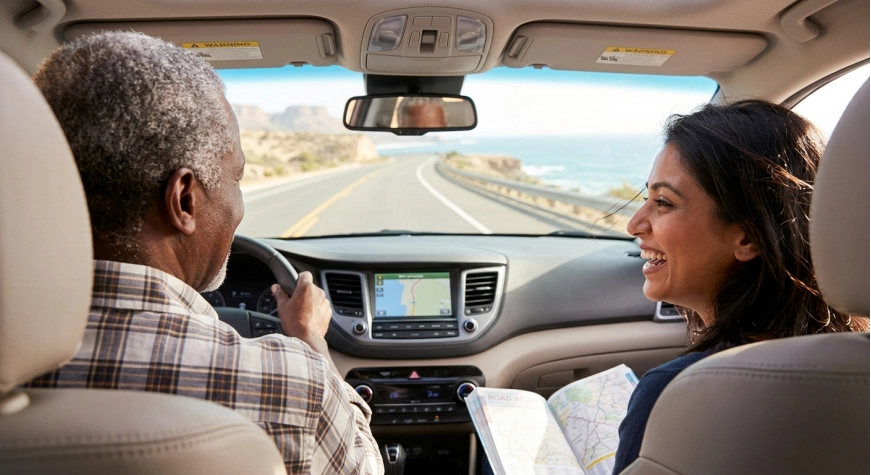
Every disappointing road trip has the same cause, which is too many miles per day. The formula that works is simple: cap driving at four hours daily, book two nights in most stops instead of one, and plan the day’s best sight for morning when you’re fresh. Build in a rest day every third or fourth day with no driving at all. Share the wheel in 90 minute shifts if you’re traveling as a couple, and make the passenger the navigator and snack director, a division of labor as old as the automobile and still undefeated. Keep a small cooler with real food, because gas station lunches are how good moods end.
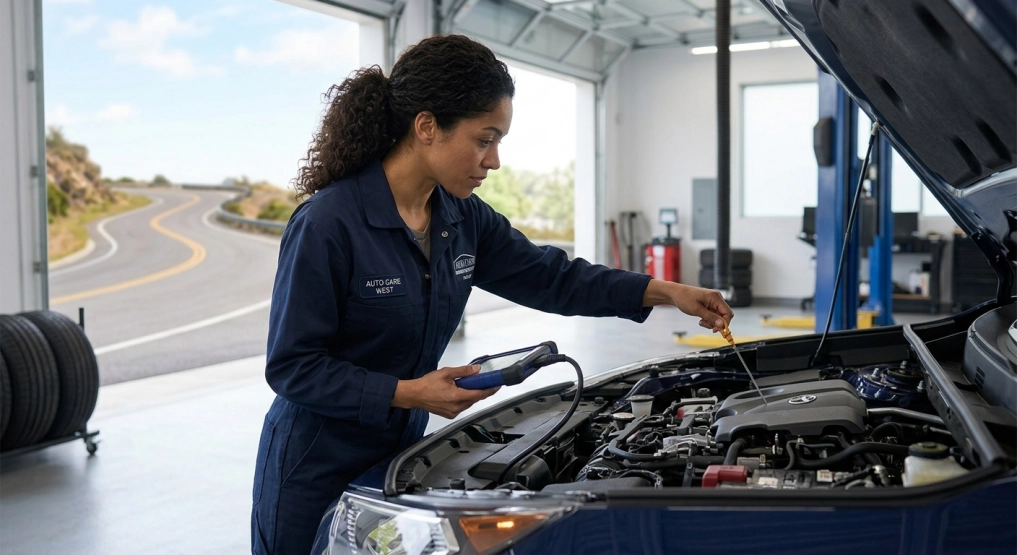
A word on the vehicle itself, since comfort compounds over a week of driving. If your own car is due for a long trip checkup, handle tires, wipers, and fluids before departure rather than trusting luck in a small mountain town. If you’re flying in and renting, it’s worth paying the modest upgrade for a midsize or larger car with adaptive cruise control, which reduces fatigue on long stretches more than any other single feature. Reserve rentals early for fall color season in the mountain states, when one way rates and availability tighten. And think seasonally about direction: mountain parkways are at their best mid September through October, coastal routes shine in early fall when summer fog patterns break, and desert drives belong to spring and late autumn. Do all that, and the drive stops being the price of the destination. It becomes the reason you went.

Written by the
ZestYears Editorial Team