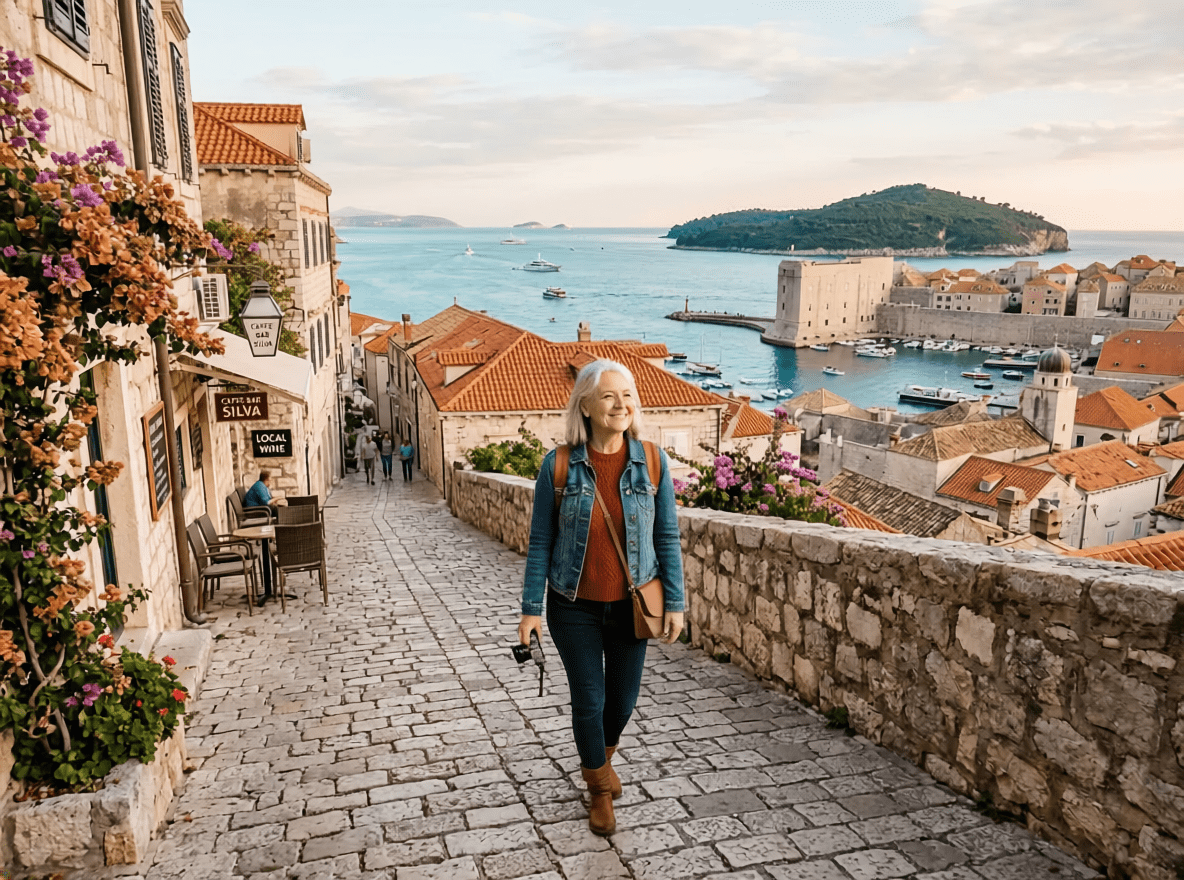
The best-kept secret in trip planning isn’t a hidden destination, it’s timing. Travel a few weeks before or after peak season and everything gets better: the prices, the weather, the crowds, and the experience.
What Is Shoulder Season, and Why Should You Care?
Shoulder season is the sweet spot between a destination’s peak tourist season and its quiet off-season—typically the weeks just before or after the crowds arrive in full force. In Europe, that usually means April through early June and September through October. In the Caribbean, it’s late spring. In national parks across the U.S., it’s often September and early October, when the summer rush fades but the weather is still gorgeous.
If you’re retired or have flexible schedules, shoulder season is arguably the single biggest advantage you have as a traveler. You’re not bound by school calendars or limited vacation days, which means you can travel when destinations are at their absolute best and when everyone else is stuck at work.
The Savings Are Real
Traveling off-peak can easily save you 20 to 40 percent on flights and accommodations. According to CNBC’s 2026 travel trends analysis, 76 percent of travel advisors from luxury agency Virtuoso are reporting increased demand for shoulder-season travel, driven partly by climate awareness and partly by travelers who’ve realized the math simply works better when you avoid July and August.
Consider this: a week in a nice hotel in Barcelona costs significantly less in May than in August—and you’ll enjoy milder temperatures, shorter lines at the Sagrada Familia, and restaurant tables that don’t require reservations three weeks in advance. The same logic applies everywhere from the Amalfi Coast to the Grand Canyon.
Better Weather Than You’d Expect
One of the most common concerns about off-peak travel is weather, but the reality is often the opposite of what people fear. Peak summer in many popular European destinations means oppressive heat, temperatures above 100°F in Rome, Athens, and southern Spain. Shoulder season offers milder, more comfortable conditions that make walking, sightseeing, and outdoor dining genuinely pleasant. A National Geographic Traveller feature on 2026 trends shared the story of a traveler who visited Kyoto’s geisha district after dark during a cooler evening—and had it practically to herself.
For destinations in the Southern Hemisphere, the math flips: traveling during the North American fall means arriving in spring. New Zealand in October, South Africa in November, and Argentina in March all offer ideal weather and thinner crowds.
How to Plan a Shoulder Season Trip
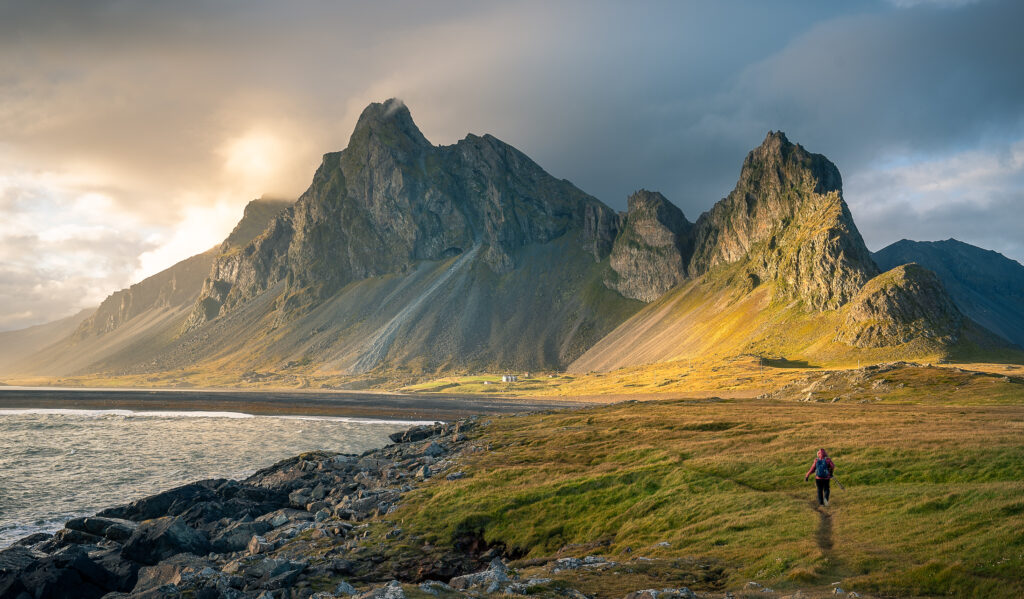
Start by identifying your destination’s actual peak dates, they vary more than you might think. Greece peaks in July and August. Iceland peaks in June through August. Japan has spikes around cherry blossom season in late March and again in autumn. Once you know the peak window, slide your dates two to four weeks in either direction.
Book accommodations early, even in shoulder season. The secret is out, and popular properties, particularly boutique hotels and vacation rentals in walkable town centers, fill up faster than they used to. If you’re using your AARP membership for hotel discounts, stack those savings on top of already-reduced off-peak rates for the best possible deal.
Shoulder season isn’t just a budget hack. It’s a fundamentally better way to experience the places you’ve been dreaming about. Fewer crowds mean more room to breathe, more access to locals, and more moments that feel like they belong to you alone. If you have the flexibility and chances are, you do use it.
Looking for the best times to visit your dream destination? ZestYears Travel has seasonal guides to help you plan the perfect trip.

Written by Alexandra Breuer