
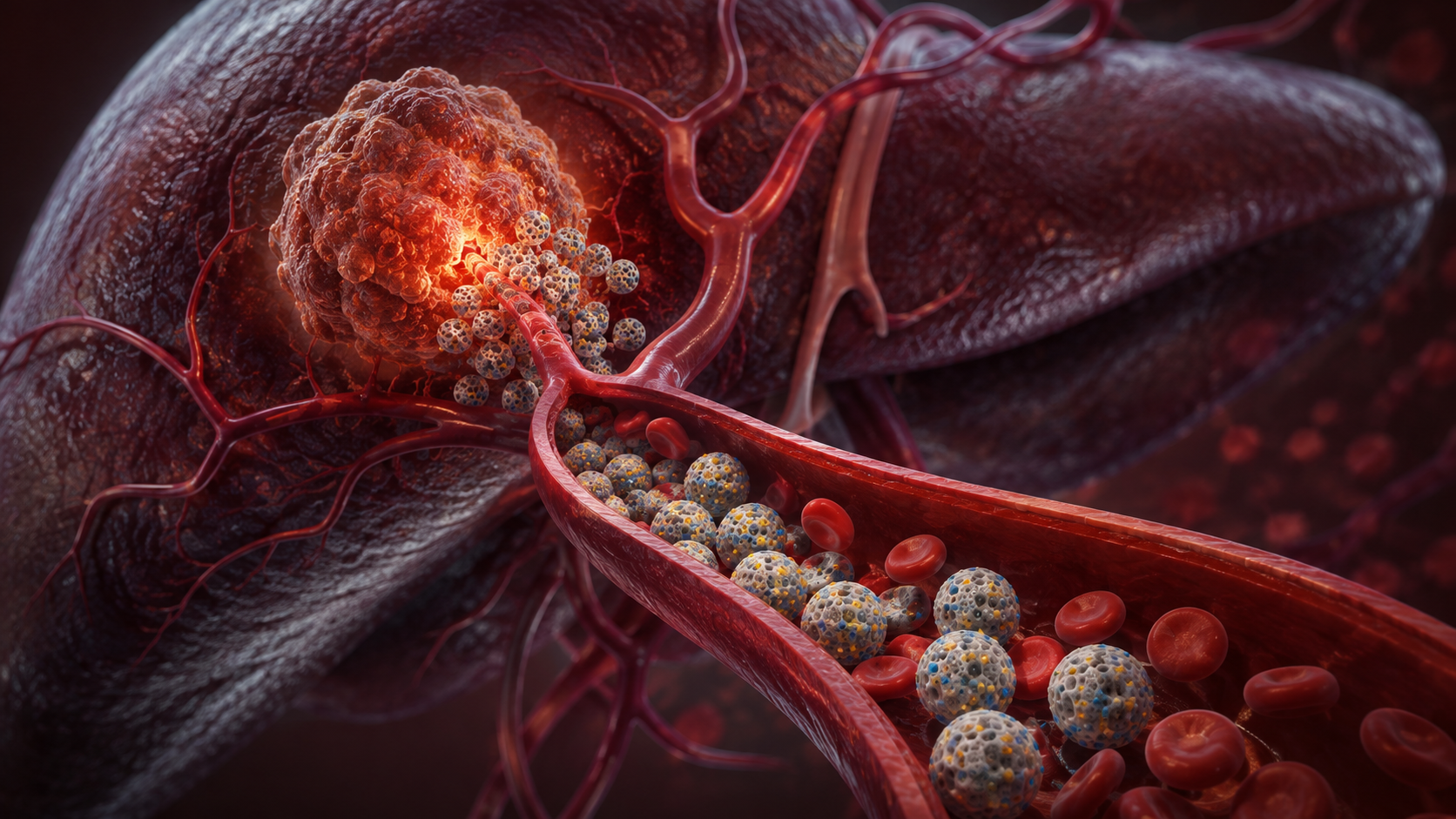
BDUK Therapeutics is developing a new therapeutic delivery platform that could change how cancer drugs are delivered to tumors. The company is starting with liver cancer, where its porous microsphere technology is designed to keep some blood flowing, deliver chemotherapy directly into the tumor for far longer than conventional treatment, and potentially reduce the burden treatment places on patients. If the approach proves successful, the same platform could eventually be adapted for other cancers and other drugs, creating a broader shift toward delivering therapy locally rather than throughout the entire body.
If you or someone you love has faced cancer treatment, you know that fighting the disease is only part of the story. Treatment itself can take an enormous toll. For people with liver cancer, that challenge can be especially difficult because many patients are not candidates for surgery or transplant, leaving physicians with fewer options and families navigating a disease that remains difficult to treat.
The scale of the problem is also growing. The Lancet Commission on hepatocellular carcinoma projects that the number of new liver cancer cases worldwide could rise from approximately 870,000 in 2022 to 1.52 million by 2050 if current trends continue. Liver cancer is already the sixth most common cancer globally and the third leading cause of cancer-related death.
BDUK Therapeutics believes one of the biggest opportunities for change may not come from discovering an entirely new chemotherapy drug. It may come from changing how cancer therapy is delivered in the first place.
The company is developing a technology called EmboPore, also being introduced under the trademark ZeraPore, designed to deliver cancer drugs directly into a liver tumor through tiny porous, biodegradable microspheres. Rather than completely shutting down the artery supplying the tumor, the microspheres are designed to allow some blood to continue flowing while releasing therapy within the tumor over an extended period.
It sounds like a relatively small change to an existing procedure. Scientifically, it could represent a very different way of thinking about cancer treatment.
The Problem With a Treatment Doctors Have Used for Decades
One of the primary treatments used for certain people with liver cancer is called transarterial chemoembolization, or TACE. The National Cancer Institute describes TACE as a procedure in which anticancer drugs are delivered through blood vessels near a tumor before its blood supply is blocked. Drug-containing beads may also be injected into the artery feeding the tumor, allowing chemotherapy to be concentrated near the cancer.
TACE has long been an important treatment for intermediate-stage hepatocellular carcinoma when tumors cannot be surgically removed. But BDUK’s founders believe there is an inherent problem with how the treatment has traditionally been performed.
“We believe that the TACE concept is an important liver cancer solution, but the problem lies in the execution,” explains BDUK co-founder and COO Yaron Suissa, PhD, MBA.
Current embolization can completely block the artery feeding the tumor. While cutting off blood flow is intended to damage the cancer, BDUK’s founders argue that the same blockage can interfere with the delivery of chemotherapy into all parts of the tumor. Complete occlusion can also create severe ischemia, or lack of blood supply, and can make it difficult to use that same arterial route again for subsequent treatment.
Instead of abandoning TACE, BDUK is trying to redesign what happens inside the artery.
A Better Way to Deliver Treatment
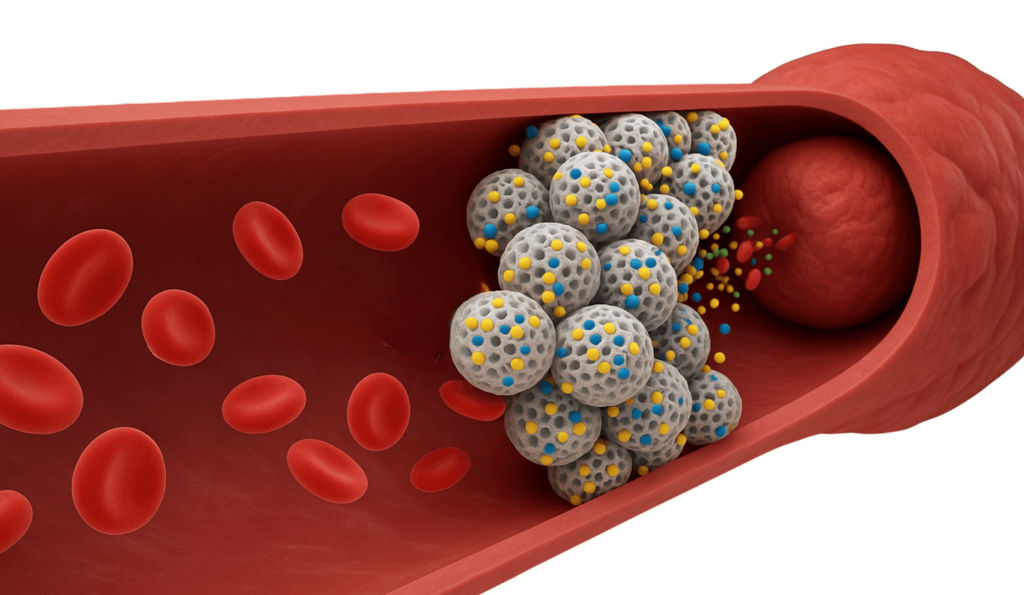
EmboPore uses porous biodegradable microspheres carrying two drugs, Doxorubicin and Tirapazamine, also known as TPZ. Rather than creating immediate complete vessel blockage, the microspheres are designed to produce partial occlusion so some blood continues moving through the area.
The scientific foundation for the technology has been published in the peer-reviewed journal Advanced Healthcare Materials. Researchers led by scientists from The Hebrew University of Jerusalem studied porous drug-eluting microspheres designed for transarterial delivery of Doxorubicin and TPZ in liver cancer. Their preclinical research found sustained drug release, increased drug concentrations within tumors and low systemic exposure.
The difference is important because the goal is not simply to place chemotherapy near a tumor. It is to keep delivering it.
With a conventional embolization approach, much of the therapeutic effect can occur in an early drug pulse. The porous microsphere system was developed to release therapy gradually over a much longer period, giving the drugs more time to act within the tumor.
That could change one of the central questions in cancer treatment from simply “What drug should we give?” to “How can we keep the right drug exactly where it is needed long enough to have its greatest effect?”
Turning the Tumor's Environment Against It
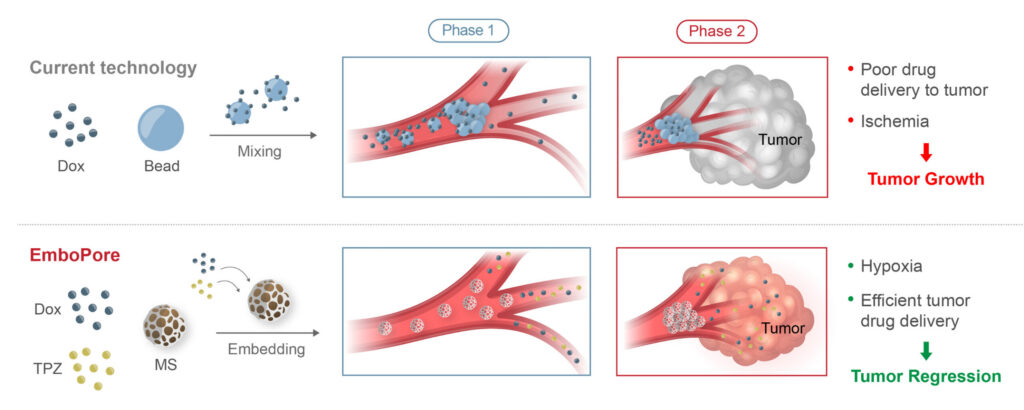
There is another part of the science that makes the approach especially interesting. Doxorubicin is a widely used chemotherapy drug. TPZ behaves differently because it becomes active under hypoxic conditions, meaning environments with very little oxygen. Tumors frequently contain hypoxic areas, and the BDUK platform is designed to take advantage of that biology.
The porous microspheres partially restrict blood flow rather than stopping it completely, helping create the low-oxygen conditions that activate TPZ while still allowing therapy to reach the tumor. Both drugs are embedded within the biodegradable microsphere structure and released locally over time.
“At its core, our technology is a unique delivery system, and its uniqueness lies in its simplicity,” Suissa says. “We are engineering a better physical construct that is delivered directly to the tumor via catheter, enabling truly localized therapy.”
In the peer-reviewed Advanced Healthcare Materials study, the porous microsphere approach demonstrated enhanced drug accumulation within tumor tissue and anti-tumor activity in preclinical liver cancer models. Researchers concluded that the system offered a way to combine embolization with sustained, localized delivery of synergistic anticancer drugs.
These results are preclinical. EmboPore has not yet demonstrated these benefits in human clinical trials. That next stage of research will be crucial in determining whether the advantages seen in laboratory and animal models translate into better outcomes for people.
Why Better Delivery Could Matter Just as Much as a Better Drug
Cancer treatment is often discussed through numbers: tumor size, survival rates, biomarkers and treatment response. Patients and their families experience something far more personal. They experience fatigue, pain, side effects, repeated medical appointments and the disruption treatment can bring to everyday life.
For BDUK’s founders, that part of the story is personal.
Suissa’s interest in changing liver cancer treatment comes partly from watching loved ones experience the disease and its treatment. Walter Wasser, MD, BDUK’s co-founder and CEO, brings the perspective of a physician with four decades of experience in internal medicine and nephrology who has seen patients after difficult treatments.
“As founders, both Walter and I see this technology and future product not only as a better therapy in terms of efficacy, but as a means to reduce the devastating adverse effects of current liver cancer treatments,” Suissa says. “This comes from my private experience of seeing the effect on loved ones and Walter as a physician treating patients after such treatments.”
Localized drug delivery could potentially address both sides of that equation. When chemotherapy travels throughout the body, healthy tissue can be exposed along with cancer cells. A system capable of concentrating more medication within a tumor while reducing the amount circulating elsewhere could potentially give physicians another way to balance effectiveness with tolerability.
BDUK also designed its microspheres to biodegrade. Rather than leaving permanent material blocking the artery, the scaffold is intended to gradually break down and clear. If future human studies confirm that this happens safely and effectively, the company believes it could potentially make repeat treatment through the same arterial pathway possible while reducing some of the local and systemic effects associated with conventional therapy.
“We believe our product will change the quality of life of patients and their families by having a more efficacious therapy with considerably less suffering,” Suissa says.
When Walter and Yaron were asked what the technology could ultimately mean to someone hearing the words “you have liver cancer,” their answer was considerably simpler.
“In a word: hope.”
Creating More Options for Patients Who Have Few
One of the harsh realities of primary liver cancer is that surgery or liver transplantation is not available to every patient. Tumor location, size, underlying liver disease and the stage at which cancer is discovered can all influence which treatments are possible.
The National Cancer Institute’s liver cancer treatment guidance describes surgical resection and transplantation among the potentially curative approaches for selected patients, while embolization and other therapies are used when curative treatment is not possible.
BDUK’s founders hope improved localized treatment could eventually give physicians another option for patients whose tumors cannot initially be surgically removed. They also see the possibility that sufficiently shrinking or controlling a tumor could help some patients become candidates for another intervention later, a process known as downstaging.
That potential has not yet been demonstrated with EmboPore in people, and clinical studies will be needed to determine whether the technology can achieve it. But it illustrates the larger objective. The goal is not simply to produce a new version of an existing procedure. It is to give physicians more ways to manage the disease over time.
The Early Science Behind the Idea
The porous microsphere technology originated from research led by Prof. Ofra Benny and colleagues at The Hebrew University of Jerusalem. The research investigated localized delivery of Doxorubicin and TPZ and found improved intratumoral drug accumulation and anti-tumor activity while limiting systemic exposure.
That early evidence was part of what convinced Wasser and Suissa that the technology deserved to move beyond the laboratory.
“Realizing our technology has the potential to transform liver cancer therapy was a process,” they explained. “It started with our technology medical-scientific analysis and the turning point came after discussions with leading physicians.”
Those conversations included physicians with expertise in liver disease, oncology and interventional medicine, helping the founders look at the technology not only as interesting science but as something that might eventually address problems physicians encounter in practice.
The Bigger Idea May Go Far Beyond Liver Cancer
Liver cancer is where BDUK is starting, but it may not be where the story ends. EmboPore is more than a specific combination of two drugs. At its core, it is a drug-delivery platform. If researchers can demonstrate that porous microspheres can safely carry therapies directly into tumors, maintain controlled release and reduce unnecessary exposure elsewhere in the body, the same underlying concept could potentially be adapted for additional drugs and additional cancers.
That is where the implications for the future of medicine become much larger. Much of modern cancer treatment remains systemic, meaning a medication may be given intravenously or orally, enter the bloodstream and travel throughout the body in order for a portion of it to reach the cancer. Locoregional treatment takes a different approach by bringing therapy directly to the tumor or the area supplying it. BDUK’s longer-term vision includes exploring whether its delivery platform could eventually have applications in other tumors accessible through the arterial system, including cancers that spread to the liver and potentially cancers involving the kidney, bladder or prostate.
Suissa describes the broader ambition as “transforming other systemic treatments into locoregional therapies and extending our platform’s impact across a broad range of cancers.” If that can be accomplished, the opportunity could extend beyond improving established cancer drugs. Some promising compounds are limited because the dose needed to attack a tumor can also create unacceptable toxicity elsewhere in the body. A platform capable of concentrating treatment locally could eventually give researchers another way to approach that problem, making the future of cancer treatment not only about finding new drugs, but also about finding much better ways to deliver the drugs medicine already has.
Where Better Drug Delivery Could Lead
Precision medicine is often associated with choosing a therapy based on the biology or genetics of a patient’s cancer, but precision can also mean controlling where a treatment goes, how much of it reaches the tumor and how long it remains there. That is where a platform like EmboPore could have implications beyond one company or one type of cancer.
For patients, more precise delivery could potentially mean concentrating treatment where it is needed while limiting exposure to healthy tissue. For oncologists and interventional radiologists, it could expand the number of ways difficult tumors are treated and potentially make repeat treatment more practical. For researchers and pharmaceutical companies, better delivery could also create new possibilities for existing drugs or compounds whose usefulness has been limited by systemic toxicity.
There is still a long road ahead. EmboPore has shown promising results in preclinical studies, but human clinical trials will determine whether those advantages translate safely and effectively to patients. Still, the question BDUK is pursuing is an important one for the future of cancer medicine: not only which treatment should be given, but how to get that treatment to the right place and keep it there long enough to have the greatest effect.
If BDUK can demonstrate that approach successfully in liver cancer, its impact could extend well beyond a single disease. It could help push cancer treatment toward a model where delivery itself becomes a central part of how therapies are designed, developed and ultimately used.
This content is for informational purposes only and is not intended as medical advice. Always consult your healthcare provider before making changes to your diet, exercise routine, or health care plan.
About the Experts:
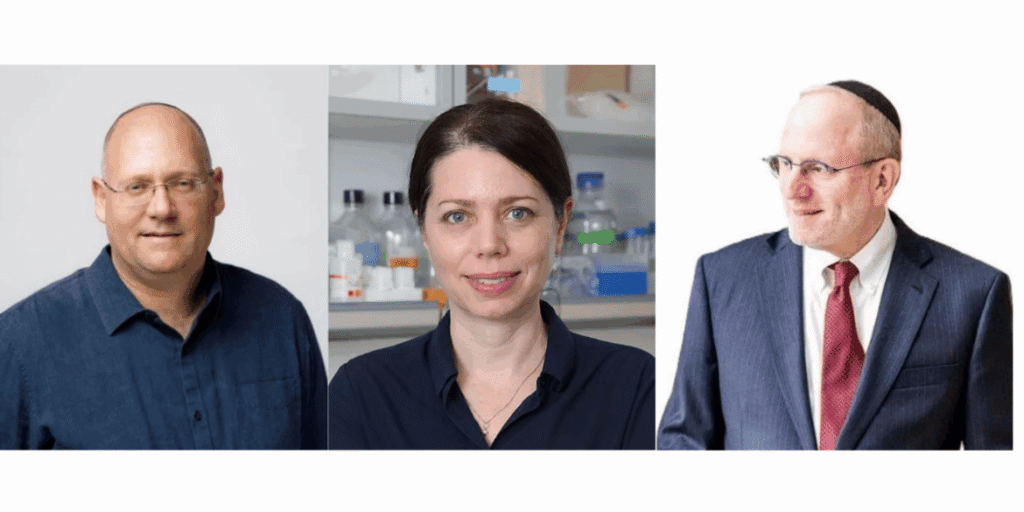
Yaron Suissa, PhD, MBA is co-founder and COO of BDUK Therapeutics. He has broad experience as a biotechnology executive across the pharmaceutical, medical device and digital health industries. He holds a PhD in biochemistry and an MBA in finance and business strategy.
Prof. Ofra Benny, PhD is a scientific advisor to BDUK Therapeutics and leads the Laboratory for Nanomedicine and Tumor Microenvironment at The Hebrew University of Jerusalem. Her work focuses on nanomedicine, tumor biology and drug delivery, and she has founded multiple biotechnology companies.
Walter Wasser, MD is co-founder and CEO of BDUK Therapeutics. He brings 40 years of experience in internal medicine and nephrology, along with experience as a healthcare entrepreneur. He previously led Life Care Dialysis Center from its inception through acquisition.