

If you are thinking about downsizing after retirement, it can stir up a lot of emotion. This is not just a house you are considering leaving. It is where memories were built, children grew up, and everyday routines quietly shaped your life. Feeling torn or overwhelmed is completely natural. At the same time, this moment can open the door to something lighter and more freeing.
Seasoned real estate expert Barbara Browning understands this deeply because she has lived it herself and guided many others through the same transition. “I’ve gone through this myself, first as an empty nester, and then again when we wanted to live closer to our grandchildren,” she says. After more than 20 years helping clients in Cincinnati and South Carolina, Browning sees downsizing not as loss, but as possibility. “Downsizing isn’t about giving up,” she explains. “It’s about setting yourself up for the next chapter in a way that feels intentional and empowering.”
Start with the Why, Then Define the What
Before you touch a single moving box, give yourself permission to pause. Ask yourself why this move feels right now. Maybe maintaining the house feels heavier than it once did. Maybe you want fewer responsibilities, more flexibility, or to be closer to the people you love. When your reason becomes clear, decisions tend to feel less overwhelming. “Once people get clear on their ‘why,’ everything else starts to fall into place,” Browning says. “You’re not just leaving a home. You’re moving toward something, a lifestyle that better matches who you are now.”
Give Yourself a Generous Timeline
Downsizing is not something to rush. Giving yourself six to twelve months allows you to move at a pace that feels steady instead of stressful. “This is not something to rush,” Browning says. “The more time you give yourself, the less stress you’ll feel.” Breaking the process into phases, such as researching communities, sorting belongings, and lining up movers, helps create calm momentum and keeps the process manageable.
Declutter with Intention, Not Regret

Letting go of belongings can be one of the most emotional parts of downsizing. Start in spaces with little emotional attachment, such as closets, pantries, or storage rooms. This builds confidence before you move into more sentimental areas. Browning often shares a simple guideline with clients. “If you haven’t used it in the past year, it might be time to let it go.” Giving family members a clear deadline to claim items can also help keep things moving. “People are always surprised at how valuable their furniture, tools, and collectibles still are,” she adds.
Choose the Right Next Home for This Chapter
Going smaller is only part of the decision. What matters more is choosing a home that works for your current and future needs. Look for fewer stairs, minimal maintenance, and easy access to healthcare, shops, and family. “A well designed smaller home can feel far more livable than a large house with stairs and unused rooms,” Browning says. Planning ahead allows you to move on your own terms rather than being forced into a decision later.
Prepare Emotionally as Much as Logistically
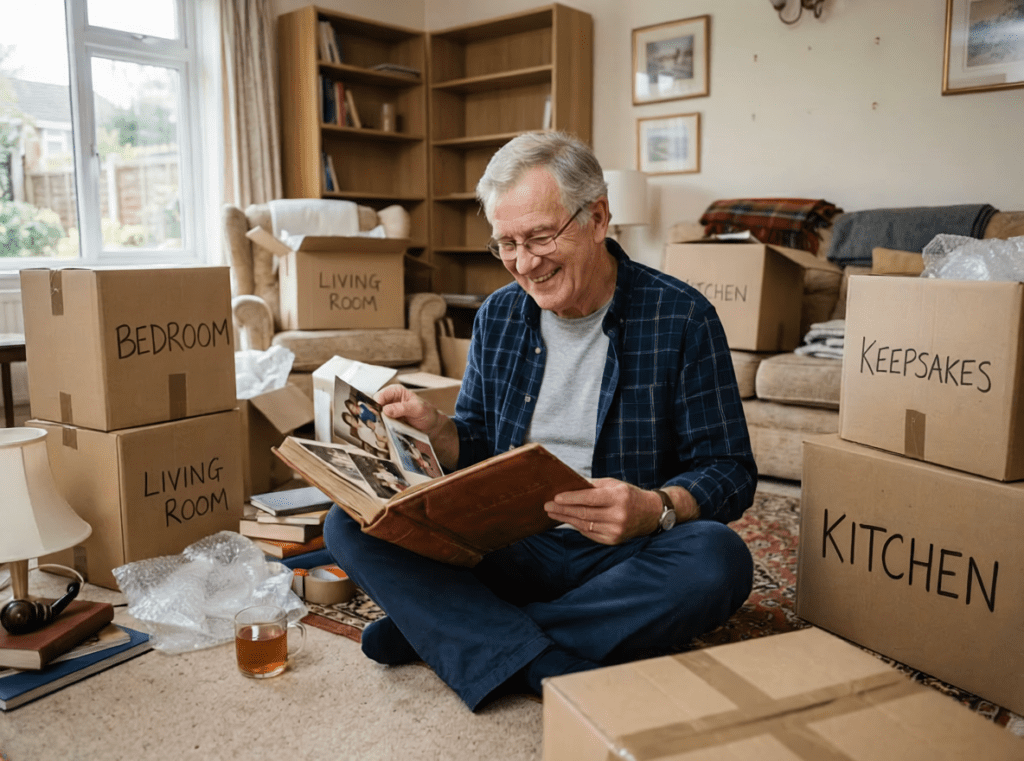
Even when you feel confident in your decision, emotions can surface unexpectedly. Sadness, anxiety, or guilt do not mean you are making the wrong choice. Browning encourages honoring those feelings rather than pushing them aside. “A memory book or photo archive can really help,” she says. “You’re not forgetting your home. You’re creating space for what’s next.” Once you move, settle in intentionally. Hang familiar artwork, arrange meaningful objects, and invite someone over. Making the new space feel like home helps your heart catch up with the change.
Social Connection is the Secret Benefit

Many people worry that downsizing will feel isolating, but Browning often sees the opposite. “My clients join walking groups, take classes, and see their grandkids more often,” she says. “Downsizing can really open your world.” With fewer home responsibilities, you gain time and energy for relationships, hobbies, and experiences that support this stage of life.
Meet The Expert

Barbara Browning is a trusted real estate agent with Coldwell Banker, serving Cincinnati, Ohio, and Mount Pleasant, South Carolina. She specializes in helping clients downsize with dignity and confidence. Her son David works alongside her, making it a true family business.
Email: browning.barbaraj@gmail.com
Watch: Downsizing Tips with Barbara Browning