
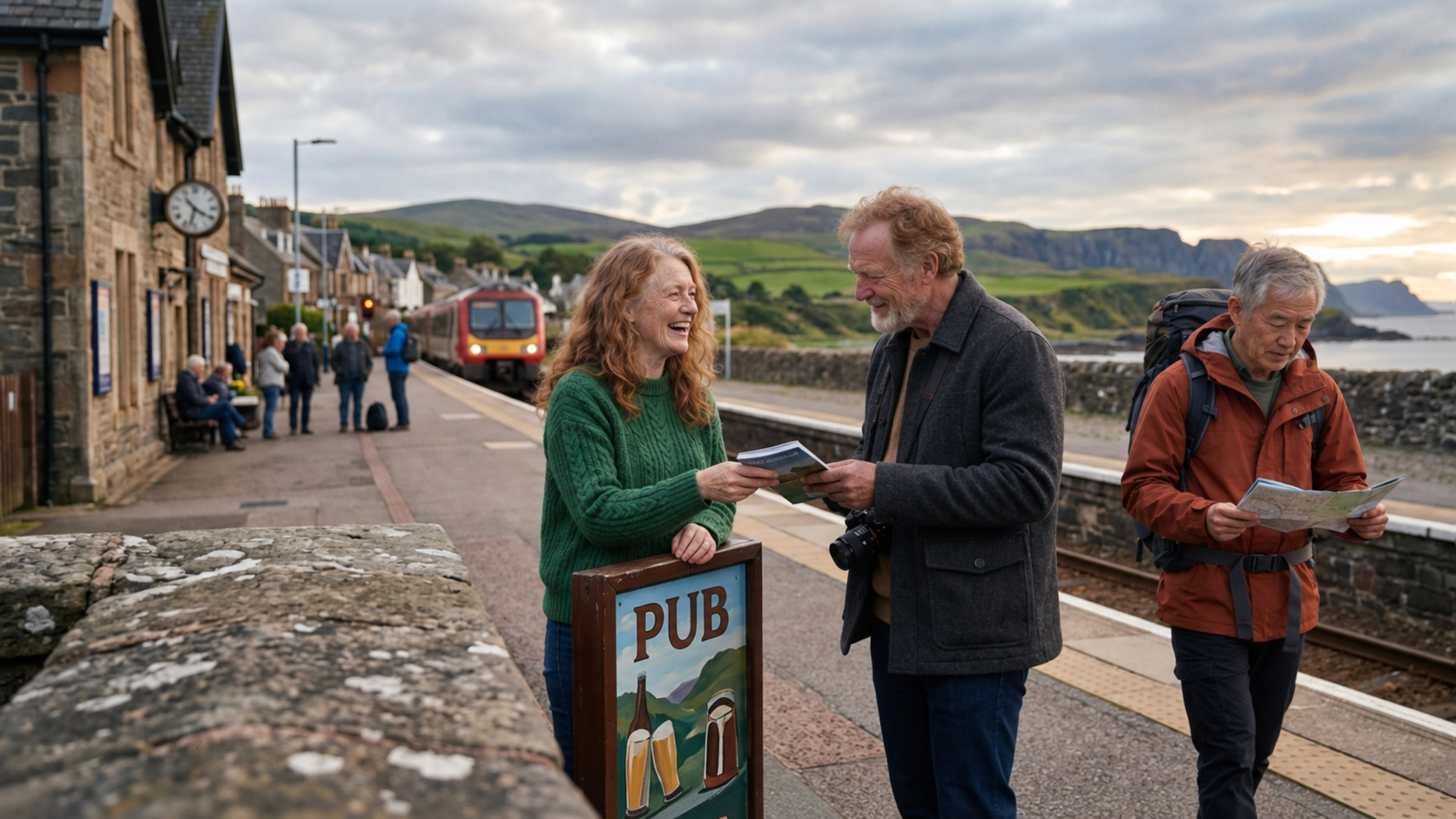
It’s one of travel’s most searched dilemmas, and anyone typing Ireland or Scotland which is better into Google deserves a more useful answer than “both are wonderful,” even though both are. The two countries share green landscapes, castle-strewn history, world-famous whiskey traditions, and a talent for hospitality, yet they deliver noticeably different trips, and most travelers have a clear best fit once the differences are laid out honestly. Having compared them point by point, here’s how to decide, and how to plan whichever one wins.
The Scenery Question
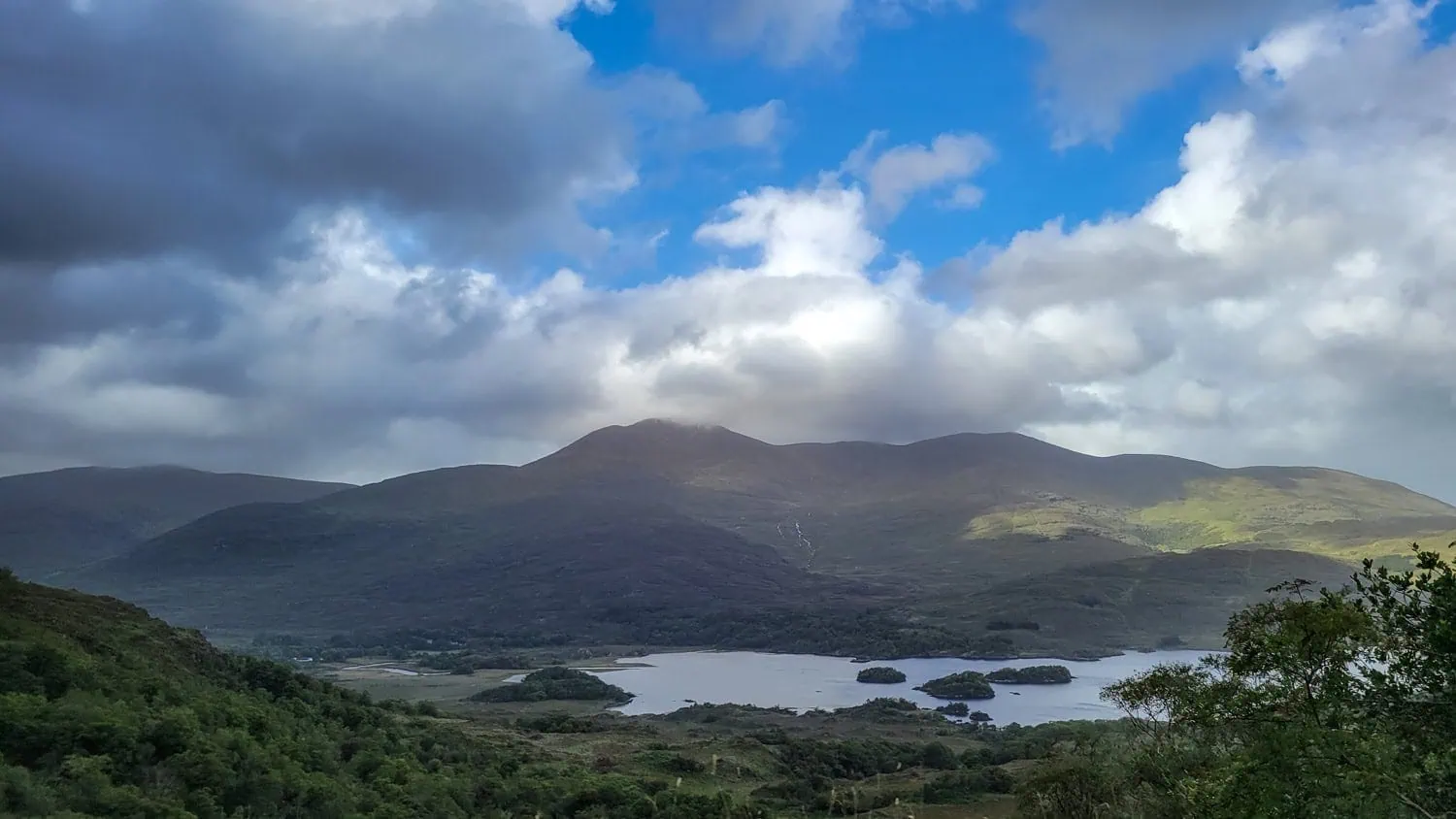
Scotland wins on drama. The Highlands deliver a scale of scenery, brooding glens, mirror lochs, and mountains sweeping straight into the sea, that Ireland doesn’t attempt, and the Isle of Skye’s landscapes belong on any list of Europe’s most spectacular. Ireland counters with intimacy and coastline. The Ring of Kerry, the Dingle Peninsula, and the Cliffs of Moher offer a green, human-scaled beauty stitched with stone walls and sheep, and Ireland’s charm accumulates in villages rather than announcing itself in vistas. If your dream photograph is a lone castle against mountains, choose Scotland. If it’s a painted pub front with music spilling out the door, choose Ireland.
Cities, Culture, and the Craic
Edinburgh is the finest city in either country, a genuinely stunning capital where the castle broods over medieval closes and Georgian crescents, and it rewards three or four days easily, with museums our readers could lose a week in. Dublin is less beautiful but more sociable, a literary city that runs on conversation, and its museum scene is deeper than visitors expect, as we detailed in our guide to Dublin museums you absolutely can’t skip.
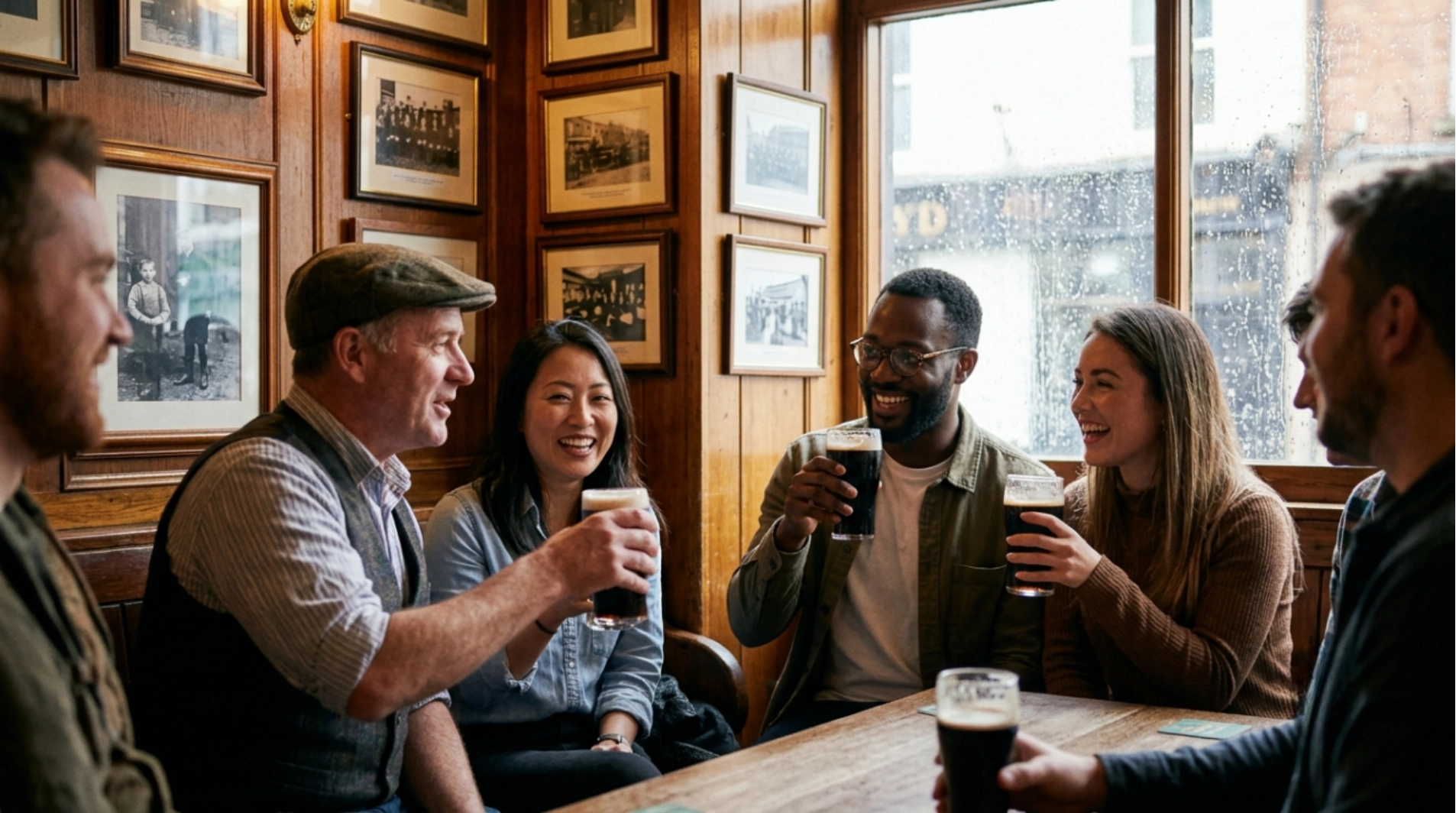
The intangible tiebreaker is what the Irish call craic, the art of talk, music, and welcome, and Ireland holds the edge in spontaneous sociability, with traditional music sessions in ordinary pubs remaining the country’s great free cultural institution. Scotland’s culture runs slightly more reserved and its history more dramatic, from Culloden to the castles, and travelers who love historical depth tend to rank it higher.
The Practical Comparison
Driving is the honest differentiator for many travelers. Both countries drive on the left, but Ireland’s rural roads run famously narrow, hedge-lined, and nerve-testing, while Scotland’s Highland roads are generally wider and emptier, with the caveat of single-track roads with passing places in the remote west. Travelers who’d rather skip driving entirely should note that Scotland’s rail network is the better one, including the West Highland Line to Mallaig, regularly voted among the world’s most scenic railways, while Ireland compensates with excellent small-group coach tours from Dublin and Galway.
Weather is a wash, changeable and green-making in both, with May, June, and September the smart months. Costs run similar, moderately expensive but manageable, though Ireland uses the euro and Scotland the pound. Official planning resources are excellent on both sides, at Ireland.com and VisitScotland, and both countries make distillery visits easy for whiskey pilgrims, with Scotland offering more variety and Ireland the friendlier tours. Book distillery visits ahead in summer, since the famous names cap their group sizes.
The Verdict, and the Itineraries That Work
Choose Scotland if dramatic landscapes, deep history, and a spectacular capital top your list, and build the classic ten-day route: three nights in Edinburgh, two around Inverness and Loch Ness, three on Skye or the west coast, and a Glasgow finish. Choose Ireland if coastal charm, music, and sociability call louder, with the mirror itinerary of three nights in Dublin, two in Kilkenny or Cork, three in Kerry or Dingle, and two in Galway. Travelers with two weeks and one flight budget sometimes attempt both, and the honest advice is don’t, since each country deserves the full trip and the connection eats two days.
Save the second country for next year and give each one its due, since both reward the unhurried version far more than a rushed sampler. A better combination pairs either with England’s gentler south, and if storybook villages appeal, our story on the Cotswolds makes the case for that detour. One reader settled the debate her own way, taking Scotland for her 65th birthday and Ireland for her 66th, and reported the only wrong answer was waiting so long to go at all.
However you choose, book accommodations early for the May through September window, pack layers and rain shells regardless of forecast, and surrender to the weather’s moods, which are, after all, what made everything so green in the first place.

Written by the
ZestYears Editorial Team