
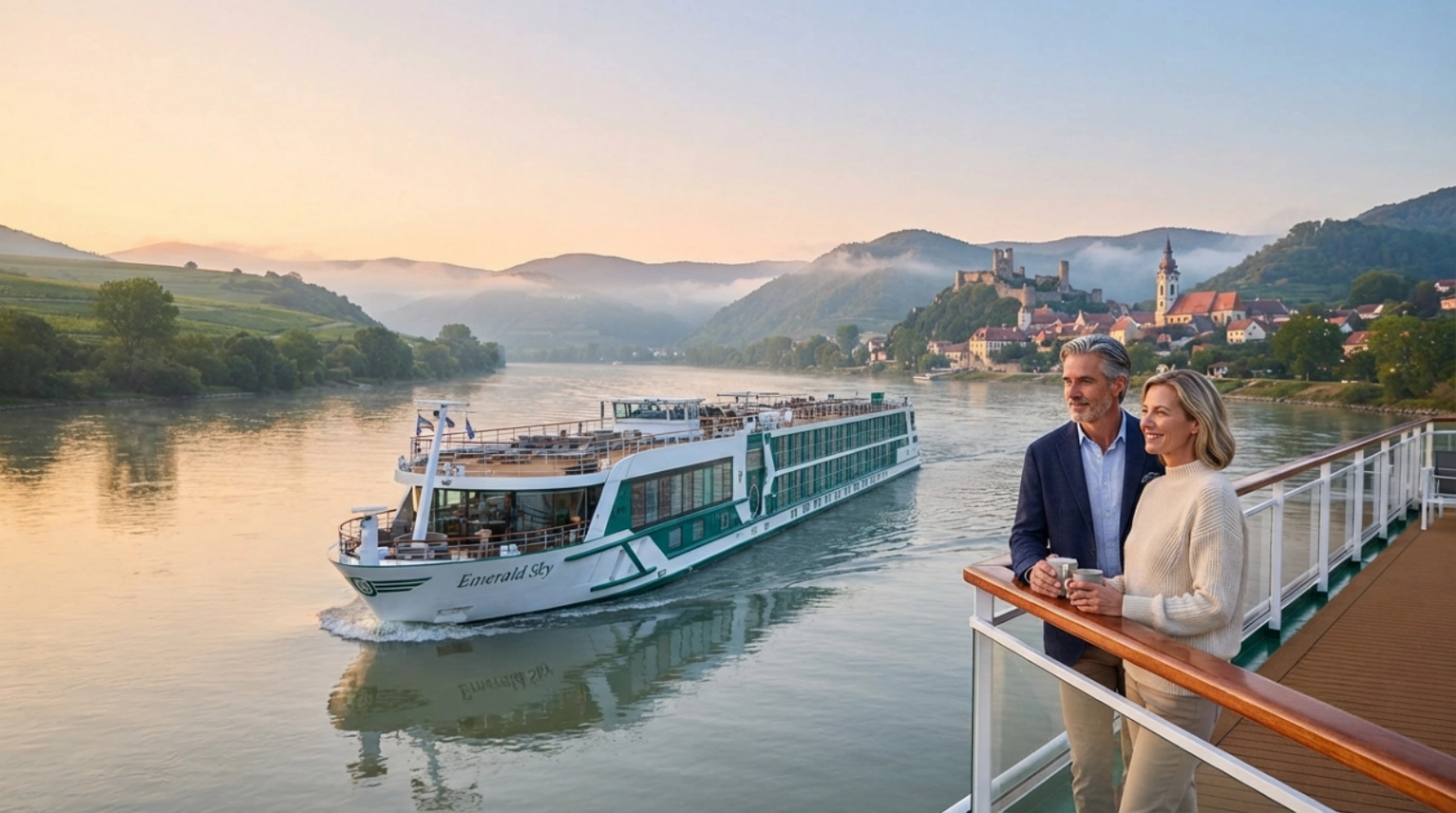
River cruising has become the signature European trip for travelers over 55, and the question is a river cruise worth it deserves a more honest answer than the brochures provide. The sticker prices look steep, typically $3,000 to $6,000 per person for a week, and it’s fair to wonder whether the same money spent on hotels and trains would buy a better trip. Having weighed the real costs against the real alternatives, the answer is that river cruises are excellent value for a specific kind of traveler and a poor one for another, and knowing which you are before booking is worth thousands of dollars. Here’s the clear-eyed version.

What You're Actually Paying For
The headline fare covers far more than a cabin. A typical river cruise includes all meals with wine and beer at lunch and dinner, daily guided shore excursions in every port, WiFi, and often gratuities and airport transfers depending on the line. Do the arithmetic on the land-based equivalent, which means seven nights of good hotels in city centers, two restaurant meals daily, intercity trains or transfers between four or five cities, and guided tours in each, and the gap narrows dramatically, frequently to nothing.
The river cruise’s structural advantage is the one land travel can’t match: you unpack exactly once while the itinerary moves for you, docking in the heart of each town, usually while you sleep. For travelers who find packing, train stations, and hotel check-ins the draining part of Europe, that convenience is the product, and it’s genuinely worth paying for.
Where the Value Holds and Where It Leaks
The honest caveats matter. Cabins are compact, typically 150 to 200 square feet in standard categories, so travelers who want a suite experience pay meaningfully more. Single travelers face supplements on most lines, though several now designate solo cabins on select sailings. The included excursions are good but group-paced, and the optional premium excursions can add hundreds per person over a week, which is where budgets quietly leak. Water levels are the risk nobody advertises, since droughts or floods occasionally force bus transfers between ships, and this is precisely why comprehensive coverage matters, as we detailed in our guide to travel insurance essentials for international explorers.
Finally, the demographic runs older and the evenings quiet, which most readers of this magazine consider a feature, though travelers craving nightlife should know it going in.

Choosing a Route and a Line
The Danube and the Rhine remain the classic first-timer routes, with the Danube edging it for grand capitals, a case we made in full in our story on why the Danube is Europe’s most romantic river journey. The Rhone through Provence suits food and wine lovers, the Douro through Portugal is the intimate sleeper hit, and Christmas market cruises in December sell out earliest of all. Lines differentiate more than their ships suggest.
All-inclusive luxury lines bundle everything including premium excursions and gratuities, mainstream premium lines keep base fares lower with more add-ons, and active-focused lines carry bicycles and offer hiking options alongside the coach tours. Compare what’s genuinely included line by line at Cruise Critic’s river cruise section, where itinerary reviews and deck plans sit alongside candid passenger feedback, and confirm cabin sizes and included excursions before comparing prices, since the cheapest fare is frequently not the cheapest trip. The industry group CLIA also profiles every river line and route at cruising.org.
The Verdict, and How to Book Smart
A river cruise is worth it if you value unpacking once, dislike logistics, want the historic town centers rather than beach resorts, and enjoy sociable dinners with fellow travelers. It’s not worth it if you prefer spontaneous days, long independent wanders, and staying put in one place for a week, in which case the same budget buys a glorious apartment-based slow trip.
If you book, three rules protect the wallet. Book early for choice or late for discounts, since the middle ground offers neither, and target shoulder months like late March, April, October, and November when fares drop 20 to 30 percent. Take the cabin category one below the one you’re tempted by, because you’ll spend waking hours on the sun deck and in the lounge anyway, and a French balcony delivers most of the pleasure of a full one. And price the all-inclusive lines against the base-fare lines only after adding what you’d realistically spend on drinks, tips, and premium tours, since the gap frequently vanishes. Booked with open eyes, the river delivers exactly what its devotees promise, which is Europe with the friction removed.

Written by the
ZestYears Editorial Team