Sticker shock is real. Hotel rates in the islands have climbed steeply, a plate lunch can run $20, and travelers keep asking the same fair question: is Hawaii worth it anymore? Having dug into the numbers and the alternatives, our answer is yes, emphatically, but only if you plan it like the savvy traveler you are rather than defaulting to a beachfront resort in peak season. Hawaii remains the destination Americans over 55 rate most positively in national surveys, and there’s a reason it keeps winning hearts decade after decade. Here’s how to get the Hawaii that earns that loyalty without the bill that makes you wince.

Pick One Island and Stay Longer
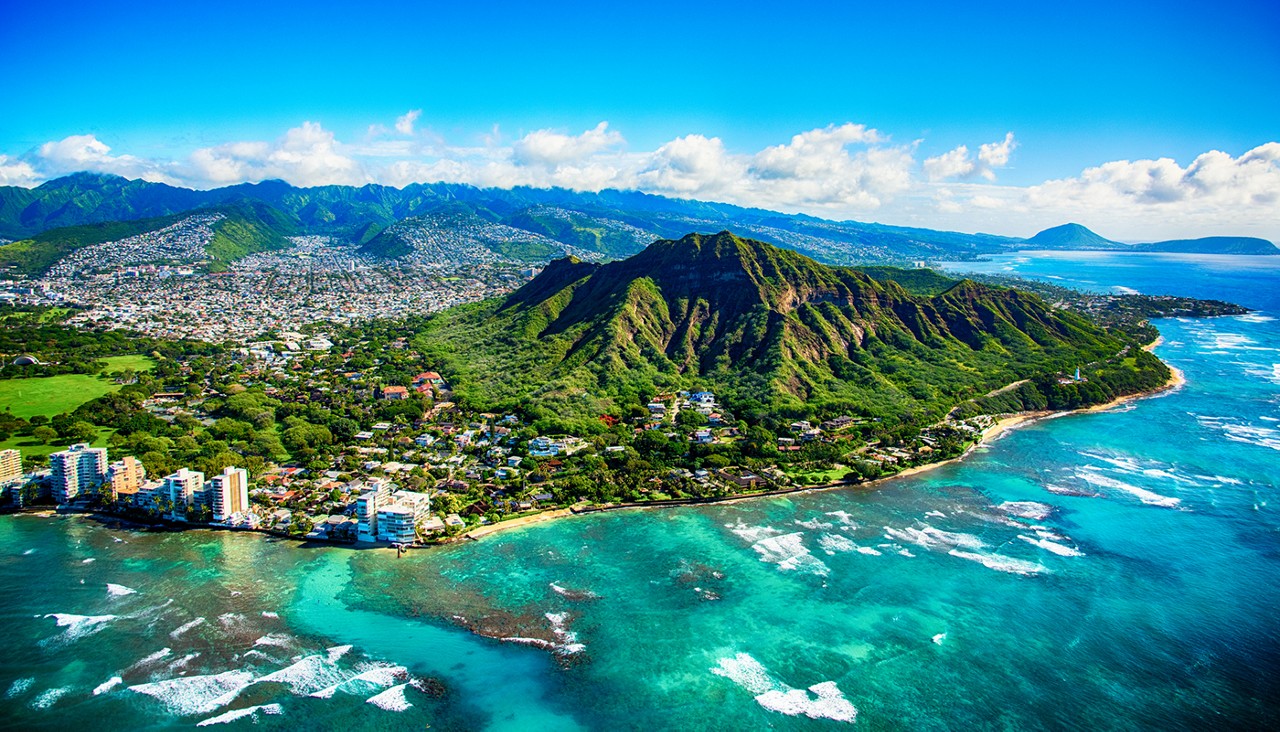
The most expensive mistake in Hawaii is island hopping. Every inter-island flight adds airfare, a travel day, another rental car pickup, and often a resort fee reset. Choose one island and give it a full week or more, and the whole trip changes character along with the budget. Kauai suits travelers who want dramatic scenery at a gentle pace, with the Waimea Canyon drive and the Hanalei taro fields delivering postcard views right from the car. Maui offers the best mix of beaches, upcountry farm towns, and the unforgettable sunrise atop Haleakala. Oahu gets dismissed as too busy, unfairly, because beyond Waikiki it holds Pearl Harbor, the windward coast’s quiet beaches, and the North Shore’s winter surf spectacle. The Big Island is for the curious, with an active volcano, black sand beaches, and coffee farms you can tour in Kona. Staying put also unlocks the vacation rental and condo market, where a week’s rate with a kitchen frequently beats four resort nights, a strategy that echoes everything we’ve said about why staying longer in one place is the smartest trip you’ll ever plan.
The Calendar Is Your Biggest Lever
Hawaii’s weather barely changes year round, which makes its price swings almost entirely about mainland school calendars. The sweet spots are mid April through early June and September through mid December, excluding Thanksgiving week. In those windows, airfare from the West Coast regularly drops into the $300s round trip, and hotels discount 20 to 40 percent off peak rates. May and October may honestly be the finest months in the islands, with calm seas for snorkeling, thinner crowds at the famous spots, and sunsets you’ll have mostly to yourself. Whale watchers should note the humpbacks arrive December through April, with peak activity in February, so a whale focused trip does mean paying winter rates, though early December threads the needle nicely.
Where the Money Actually Goes, and Where to Cut
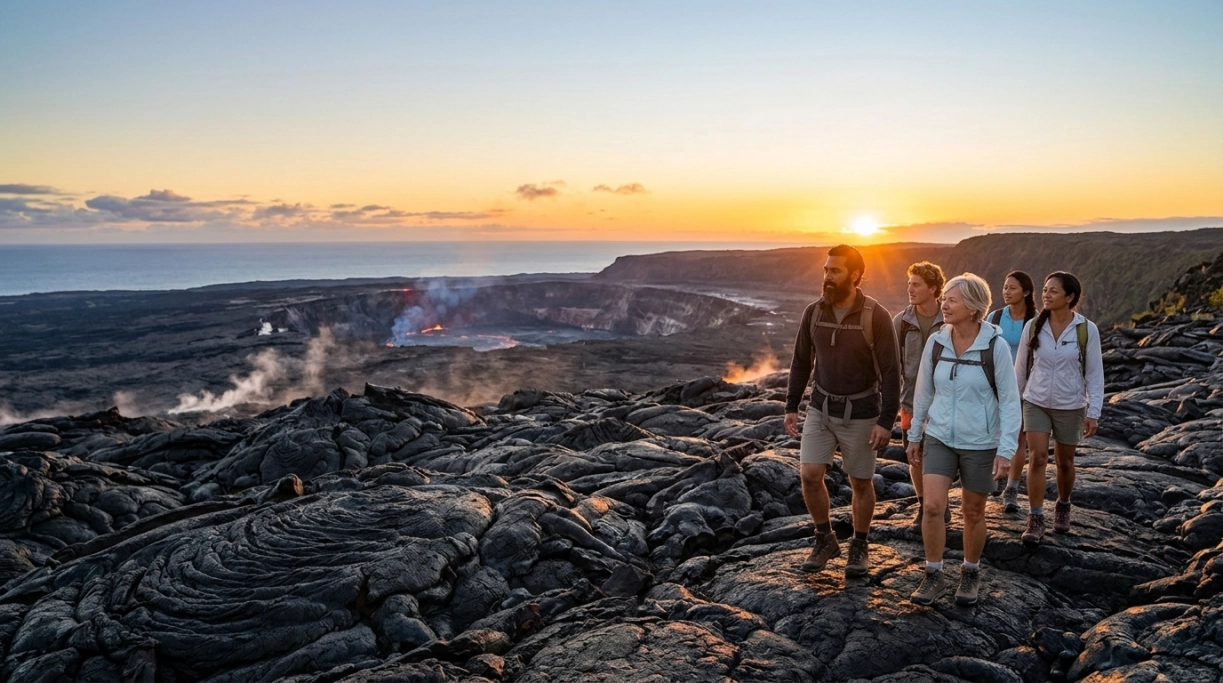
Three costs dominate a Hawaii budget: lodging, the rental car, and food. Lodging we’ve covered. On cars, book early and check often, since Hawaii rental prices swing wildly and rebooking at a lower rate is usually free. Some visitors on Oahu skip the car entirely for part of the stay, since TheBus system and rideshares cover Honolulu well. On food, the local pattern is the money saver: breakfast at your condo, lunch from the plate lunch counters and food trucks where Hawaii actually eats, and dinner out as the daily splurge. A poke bowl from a fish market beats most $60 resort entrees anyway. One more line item worth watching is the activity budget, where a little selectivity goes a long way. Pick one or two paid experiences that genuinely excite you, a snorkel sail or a luau done well, and let the rest of the trip run on the free spectacle the islands provide daily. Beaches, the best entertainment in the state, are all free and public by law, and many county beach parks have accessible parking, restrooms, and lifeguards. The state’s official Go Hawaii site lists beach access details island by island, and the National Park Service’s Hawaii Volcanoes page covers current viewing conditions if the Big Island’s lava is on your list.
The Verdict
Here’s a realistic picture of what smart planning produces. A couple booking a Kauai condo for eight nights in early May, flying from the West Coast on fares caught during a sale, cooking breakfasts, and splurging on three special dinners and one boat tour of the Na Pali Coast can land the whole trip around $4,500 to $5,500 including everything. That is not cheap, but it’s a genuinely magnificent week in one of the most beautiful places on earth, at a nightly cost comparable to a mid tier European trip once flights are counted. Compare that against the peak season, resort based version of the same week, which can easily double the figure while delivering more crowds and less Hawaii. The islands haven’t stopped being worth it. They’ve simply started rewarding the travelers who plan, and that has always been you.

Written by the
ZestYears Editorial Team