
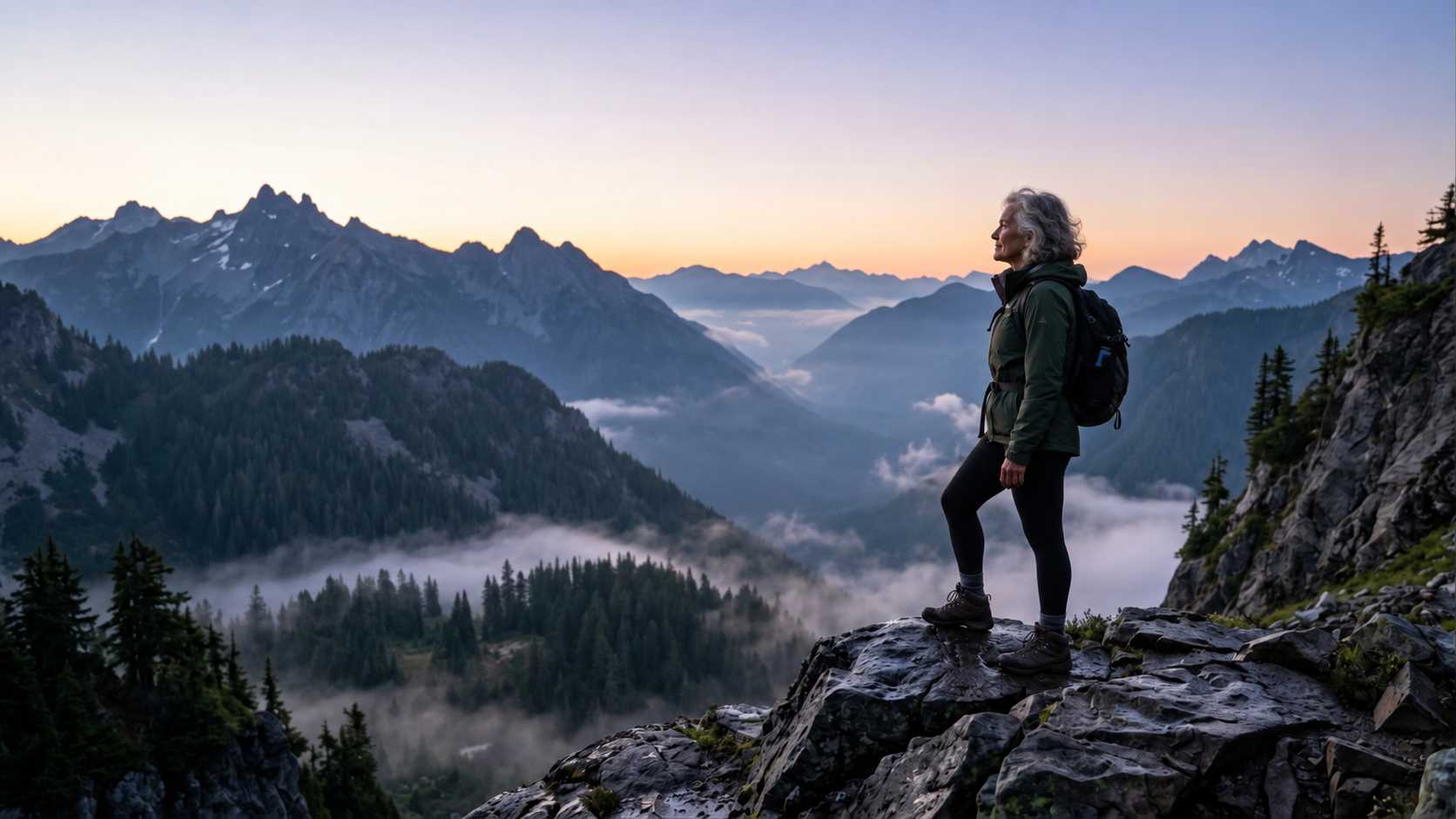
Every year the headlines repeat themselves: record visitation, packed shuttle buses, two hour entrance lines at Zion. And every year, travelers who know the system enjoy national parks without crowds, often standing at famous overlooks in near silence. The difference isn’t luck. It’s timing, park selection, and a handful of reservation rules that most visitors never learn. If a quiet morning at a canyon rim sounds better to you than a queue for a photo spot, here’s how to actually get it.
The Month Matters More Than the Park
The single most powerful crowd tool is the calendar. National park visitation collapses the week after Labor Day, yet September and early October offer some of the finest weather of the year across the West, with warm days, cool nights, and golden light that photographers plan whole trips around. Yellowstone in late September means elk bugling across misty meadows and parking spots at Old Faithful. The Grand Canyon in early November means crisp rim walks in a light jacket and hotel rates at half their summer peak. May works the same magic in the desert parks before the heat arrives. This is shoulder season strategy at its purest, and if you want the full playbook, our guide to shoulder season travel lays it out for every kind of trip.
Within any given day, the same rule applies in miniature. Crowds in most parks concentrate between 10 a.m. and 4 p.m. Enter before 8 a.m. and you’ll have trails to yourself even in July. There’s a practical bonus for those of us who wake early naturally anyway, which is that dawn is when wildlife is out and the light is at its best. Consider it one of the rare cases where your body clock and the crowd calendar are perfectly aligned.
The Underrated Parks Hiding in Plain Sight
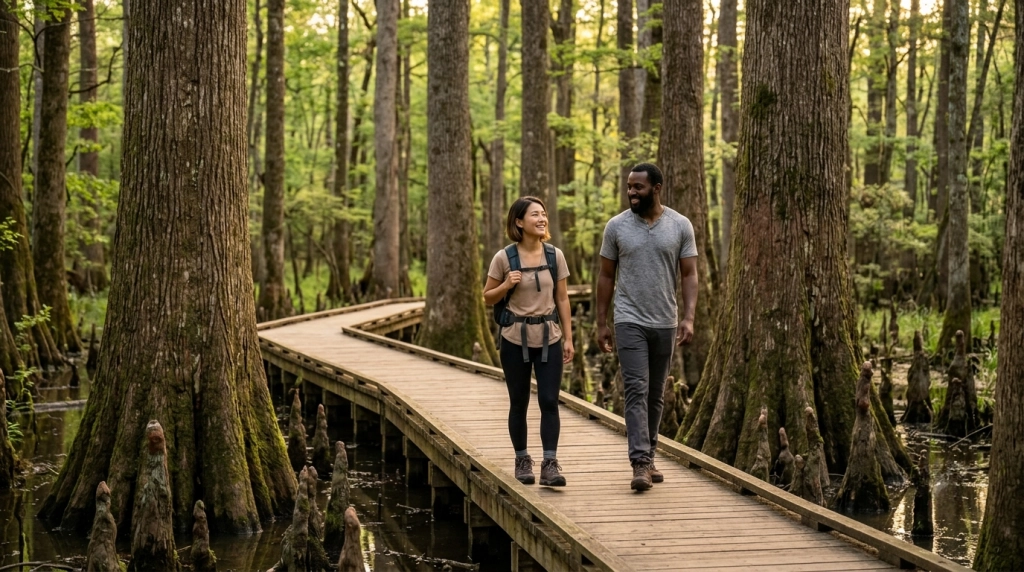
The crowding problem is also concentrated in a short list of famous names. Of America’s 63 national parks, a handful absorb the vast majority of visits while equally stunning parks sit half empty. Capitol Reef in Utah delivers the red rock drama of its famous neighbors with a fraction of the traffic, plus a historic orchard district where you can pick fruit in season. Great Basin in Nevada offers ancient bristlecone pines, a glacier, and some of the darkest night skies in the country, and its scenic drive climbs to 10,000 feet with overlooks the whole way. In the East, Congaree in South Carolina floats you by boardwalk through an old growth forest that feels primeval, and it pairs nicely with a few days in Charleston, a city we’ve covered in our story on why everyone’s visiting Charleston right now. North Cascades in Washington sees fewer annual visitors than Yellowstone sees in a busy week, despite alpine scenery that rivals anything in the Rockies.
Understand the Reservation Systems Before You Go
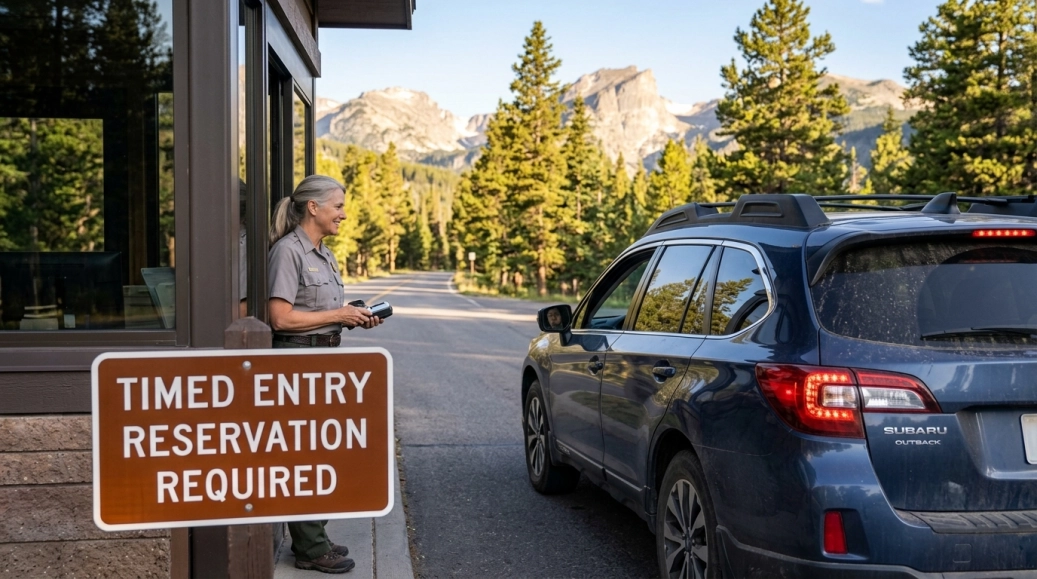
The other change savvy travelers have absorbed is that several parks now manage crowds with timed entry or permits, and the rules differ park by park and season by season. Some parks have required timed entry reservations for peak season in recent years, others require them only for specific corridors or sunrise viewing. These systems are actually good news for planners, because a timed entry pass means the park is capping traffic while you’re there. The details change annually and park by park. Rocky Mountain, for example, currently requires timed entry reservations from late May through mid October, explained on the park’s official timed entry page, while Yosemite and Mount Rainier dropped their reservation requirements this year. Check each park’s own nps.gov page when your dates firm up, and book any needed passes on Recreation.gov. While you’re at it, anyone 62 or older qualifies for the America the Beautiful Senior Pass, which covers entrance fees at every park for life for $80, one of the best travel bargains the federal government has ever offered.
A Sample Quiet Park Trip
Here’s how it all comes together. Fly into Salt Lake City in late September, drive three hours to Capitol Reef, and spend two nights in the little town of Torrey eating surprisingly good food. Drive the park’s scenic road early, hike as much or as little as your knees prefer, and pick apples in the Fruita orchards. Then continue to Bryce Canyon, arriving at the amphitheater rim at 7:30 a.m. when the hoodoos glow orange and the viewpoints hold more ravens than people. Finish with two nights near Zion, using the early morning shuttle to beat the day trippers. Ten days, three iconic landscapes, and almost no waiting in line. The parks aren’t overcrowded so much as they’re crowded on a predictable schedule, and once you know the schedule, the quiet version of America’s best idea is still right there waiting.

Written by the
ZestYears Editorial Team