Food has become the number one reason Americans pick a destination, edging out beaches and museums in survey after survey, and searches for the best food cities in America keep climbing as travelers plan whole trips around the table. The good news is that the country’s most exciting eating no longer requires a New York budget or a San Francisco reservation battle. A generation of chefs has spread out, and the cities where America eats best right now are frequently mid sized, walkable, and affordable. Here’s where to point your appetite, and how to structure a trip so the eating stays a pleasure instead of a project.
The Reigning Champions: Charleston and New Orleans
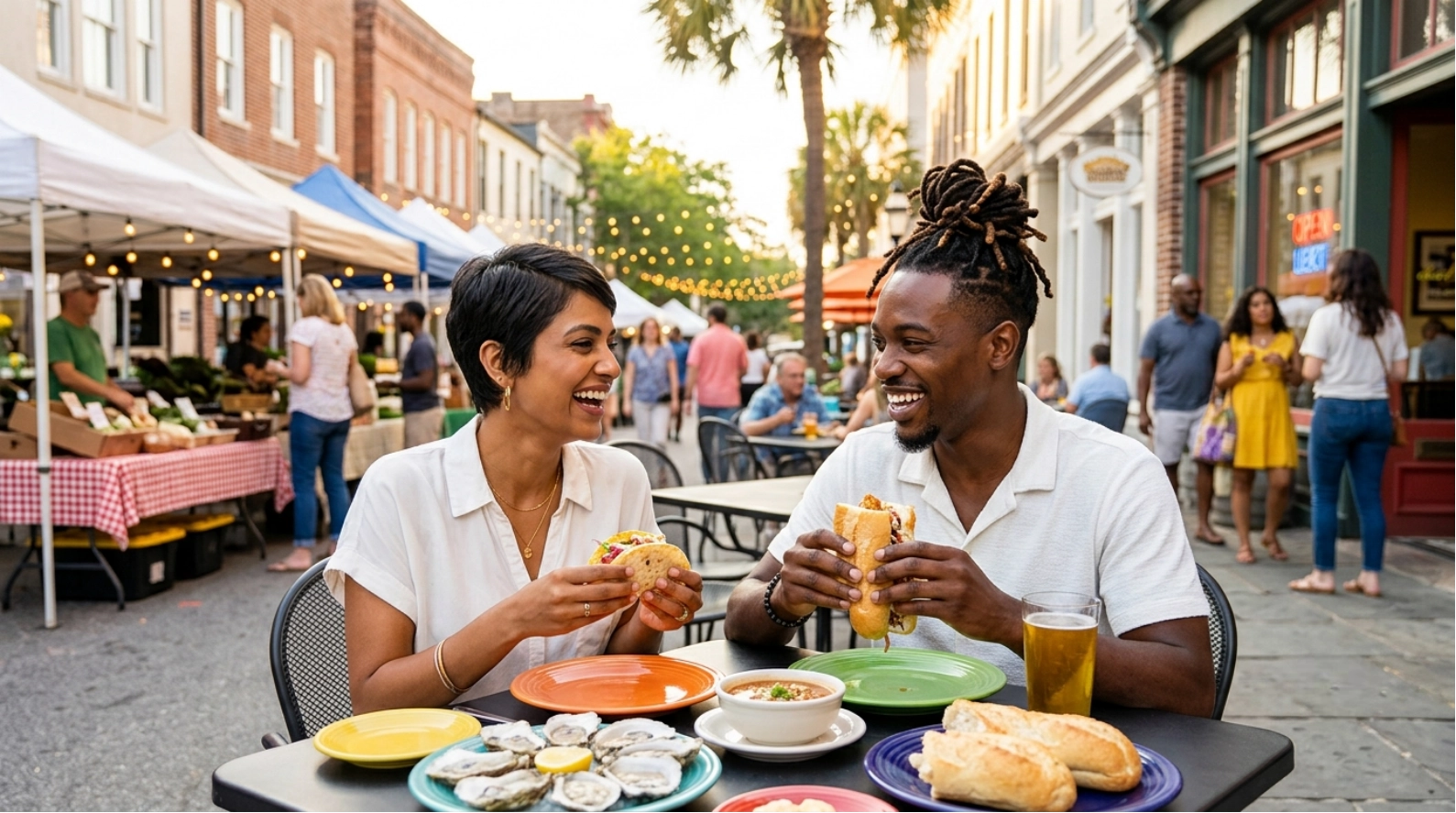
Charleston has held its place at the top of American food travel for a decade because it keeps evolving, layering Gullah Geechee traditions, fresh takes on Lowcountry classics, and one of the best benches of young chefs anywhere onto a walkable historic peninsula. Shrimp and grits is mandatory, but the deeper move is a morning at a classic counter, an oyster happy hour, and one blowout dinner booked well ahead. Our story on why everyone’s visiting Charleston right now covers how to pair the eating with everything else the city does well. New Orleans, meanwhile, remains the only American city where a mediocre meal requires genuine effort. Beyond the French Quarter icons, the neighborhood restaurants of Uptown and the Bywater serve gumbo, po’boys, and Creole cooking that connect you to two centuries of tradition, with the city’s official New Orleans tourism site keeping current restaurant listings, and the James Beard Foundation’s annual awards, browsable at jamesbeard.org, are a reliable map to who’s cooking brilliantly there and everywhere else.
The Risers: Kansas City, Portland, and the Gulf Coast
Three food destinations are climbing the search charts fastest this year. Each one earns the attention differently.
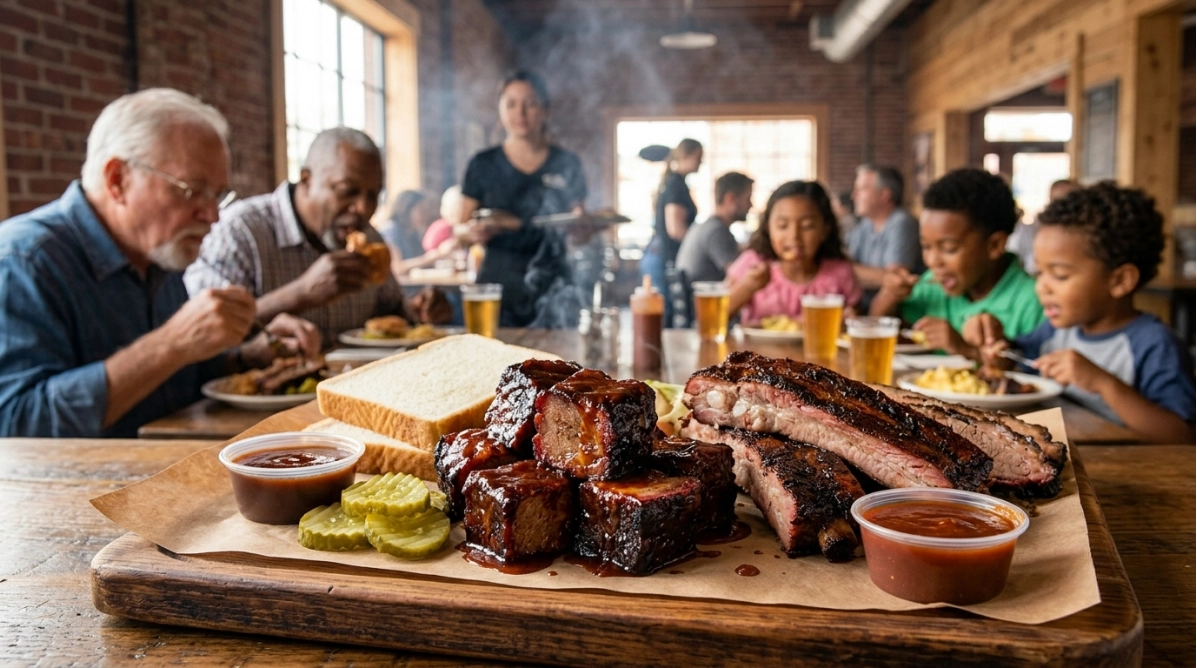
Kansas City, Missouri: Search interest in Kansas City food hit new highs this year, and the barbecue deserves every bit of it, from the burnt ends the city invented to the debate over which classic smokehouse reigns, a question best settled personally over several visits. The food story now extends well past barbecue into a genuinely good coffee, bakery, and fine dining scene clustered in walkable districts like the Crossroads.
Portland, Maine: This small city claims more exceptional restaurants per capita than nearly anywhere in the country, all packed into an Old Port district you can cover on foot between meals, with the lobster and oysters coming off boats you can watch from your table. Go in September, when the tourists thin and the kitchens relax.
The Gulf Coast: The seafood towns of coastal Alabama and Mississippi’s Ocean Springs are quietly becoming destinations for travelers who want their royal reds and gumbo without a big city attached, and prices that recall another decade. Time a visit around the fall seafood festivals and the towns show off.
Wine Country Eating Without the Formality
The food trip and the wine trip have merged, and the best version of both now happens in the smaller towns. Healdsburg, in Sonoma County, concentrates tasting rooms, bakeries, and restaurants around a single plaza, so a day of eating and sipping requires no driving at all, one of many reasons we profiled it in our guide to Healdsburg wine country. Walla Walla, Washington offers the same walkable formula with Syrah, and Virginia’s Charlottesville pairs its vineyards with a pedestrian downtown mall full of independent restaurants. The pattern to notice is that agricultural regions eat well, because chefs cook what grows nearby, and planning your city around a farming region is the single most reliable predictor of a great food trip.
How to Eat Well Without Wearing Yourself Out
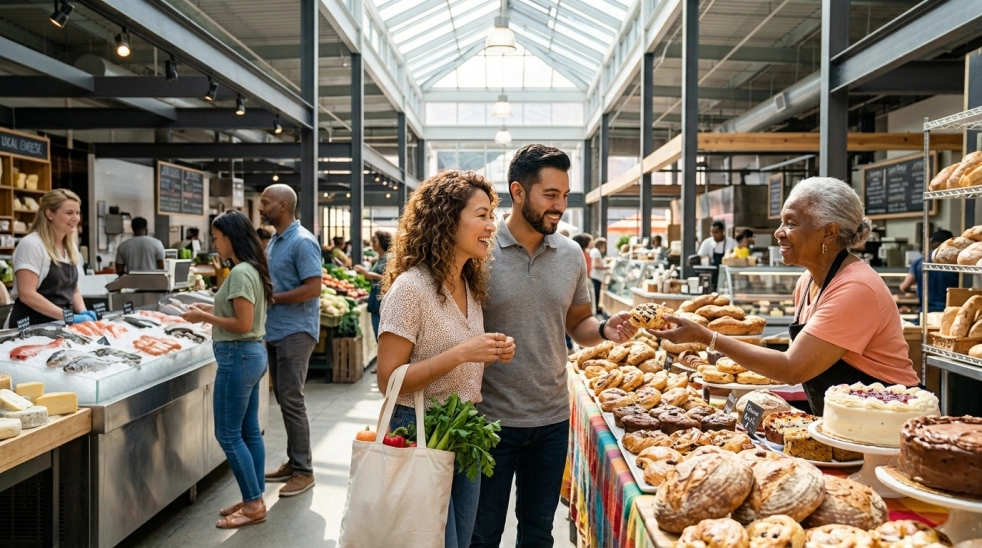
A few structural tricks make a food trip sing. Book one significant dinner per day, not two, and let lunch be the exploratory meal, since the same kitchens frequently serve lunch at lower prices with easier tables. Make the market or famous counter your breakfast, because food halls and historic markets deliver the most flavor per hour of any stop. Walk between meals by design, choosing hotels in the eating district so appetite regenerates naturally, a strategy that pairs perfectly with the cities in our walkable weekends coverage. Reserve the must visit restaurant for your first night rather than your last, so a closure or hiccup can be rescheduled. And ask every server, bartender, and shop clerk where they eat on their day off, then go there, because that question has produced more memorable meals for more travelers than every top ten list combined. The best food city in America, it turns out, is the one where you ate something you’re still talking about a year later, and by that measure the list above is just the starting lineup.

Written by the
ZestYears Editorial Team