
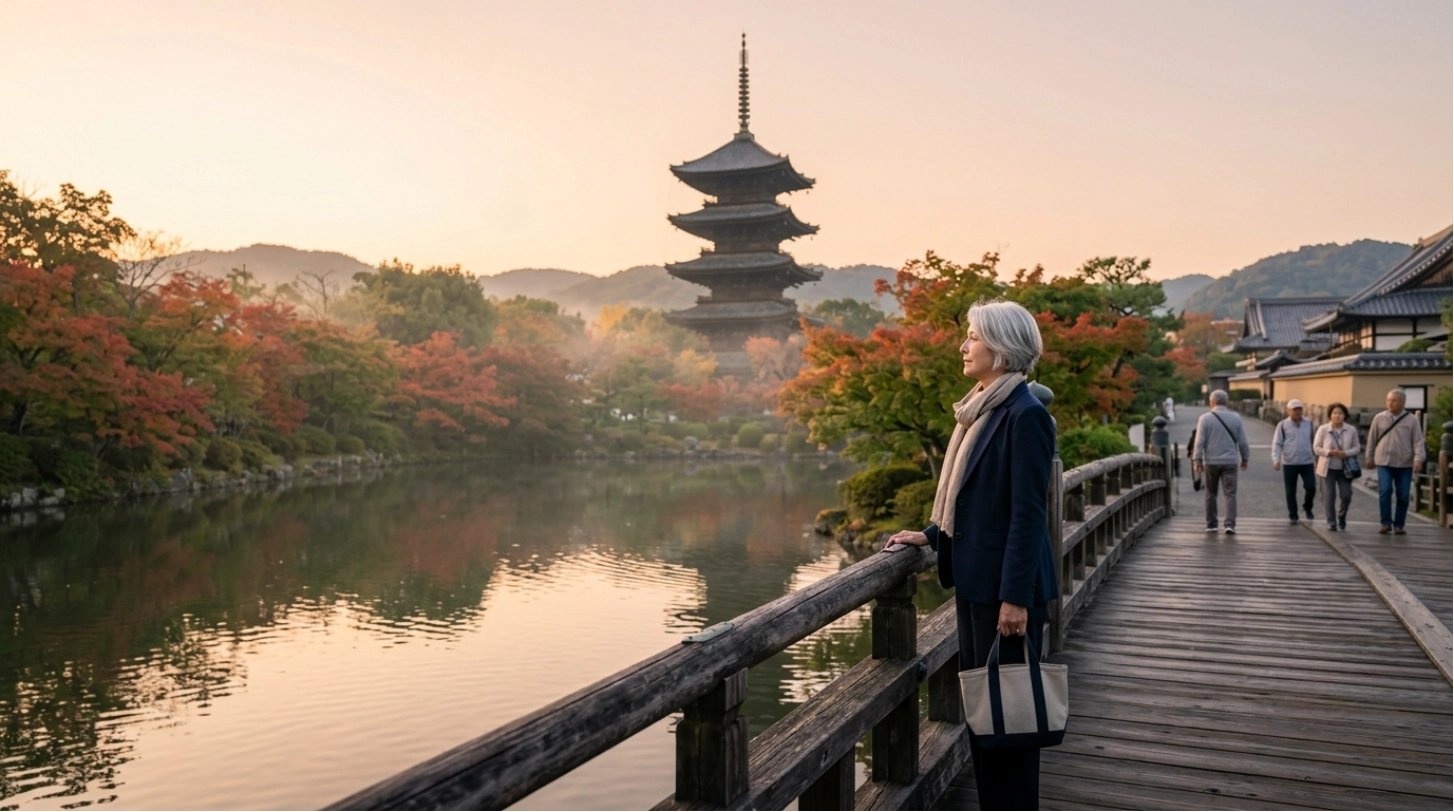
For decades the answer to the question is Japan expensive to visit was an automatic yes, filed alongside Switzerland and Norway in the budget-busting category. That reputation is now years out of date.
A historically weak yen has quietly turned Japan into one of the best travel values in the developed world, where a beautiful multi-course dinner can cost less than a mediocre one at home, a spotless business hotel runs under $100 a night, and the famous trains depart to the second. Add the fact that Japan may be the easiest place on earth to travel as an older visitor, with immaculate facilities, deep courtesy toward guests, and benches exactly where you need them, and the case builds itself. Here’s what things really cost and how to plan the trip well.
What the Weak Yen Actually Means for Your Wallet
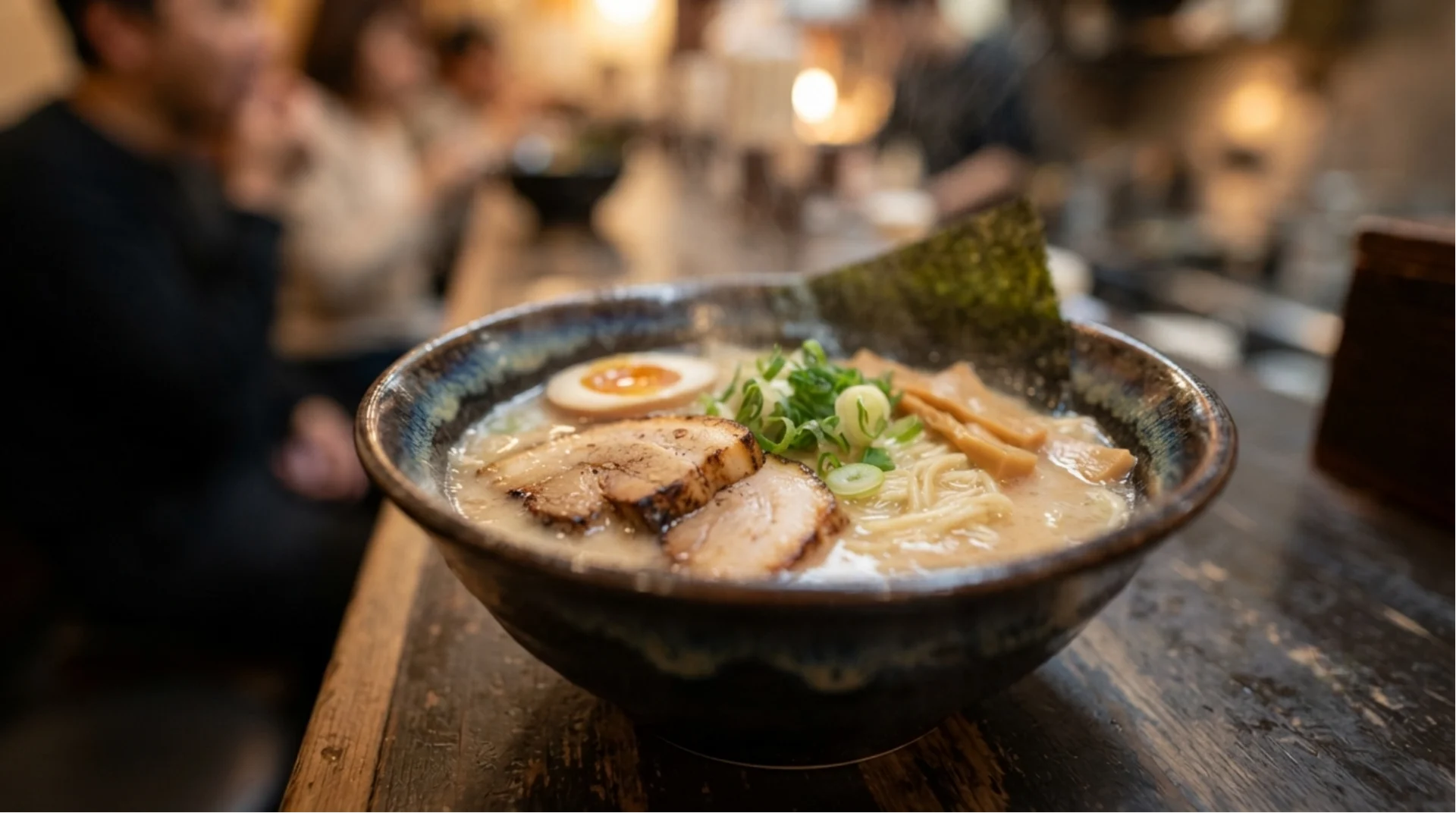
The exchange rate has hovered near multi-decade lows against the dollar, and the effect on the ground is startling for anyone who remembers Japan’s expensive era. A bowl of exceptional ramen runs $6 to $9. A department store food hall assembles a gourmet picnic for less than a fast food lunch at home. Museum admissions rarely top $10, taxis are metered and honest, and the legendary convenience stores sell fresh, genuinely good meals around the clock for pocket change. Lodging is the biggest surprise, with polished mid-range hotels in Tokyo and Kyoto frequently under $120 a night outside peak weeks.
The splurges remain available, from ryokan stays with kaiseki dinners to sushi counters of pilgrimage quality, but they’re choices rather than requirements. A comfortable two-week trip for two, flights aside, can now land in the range a single week in Western Europe used to demand.
When to Go, and When Not To
Japan’s crowds concentrate ferociously around cherry blossom season in late March and early April, when prices double and the famous sites resemble festivals. Unless the blossoms themselves are your dream, aim elsewhere on the calendar.
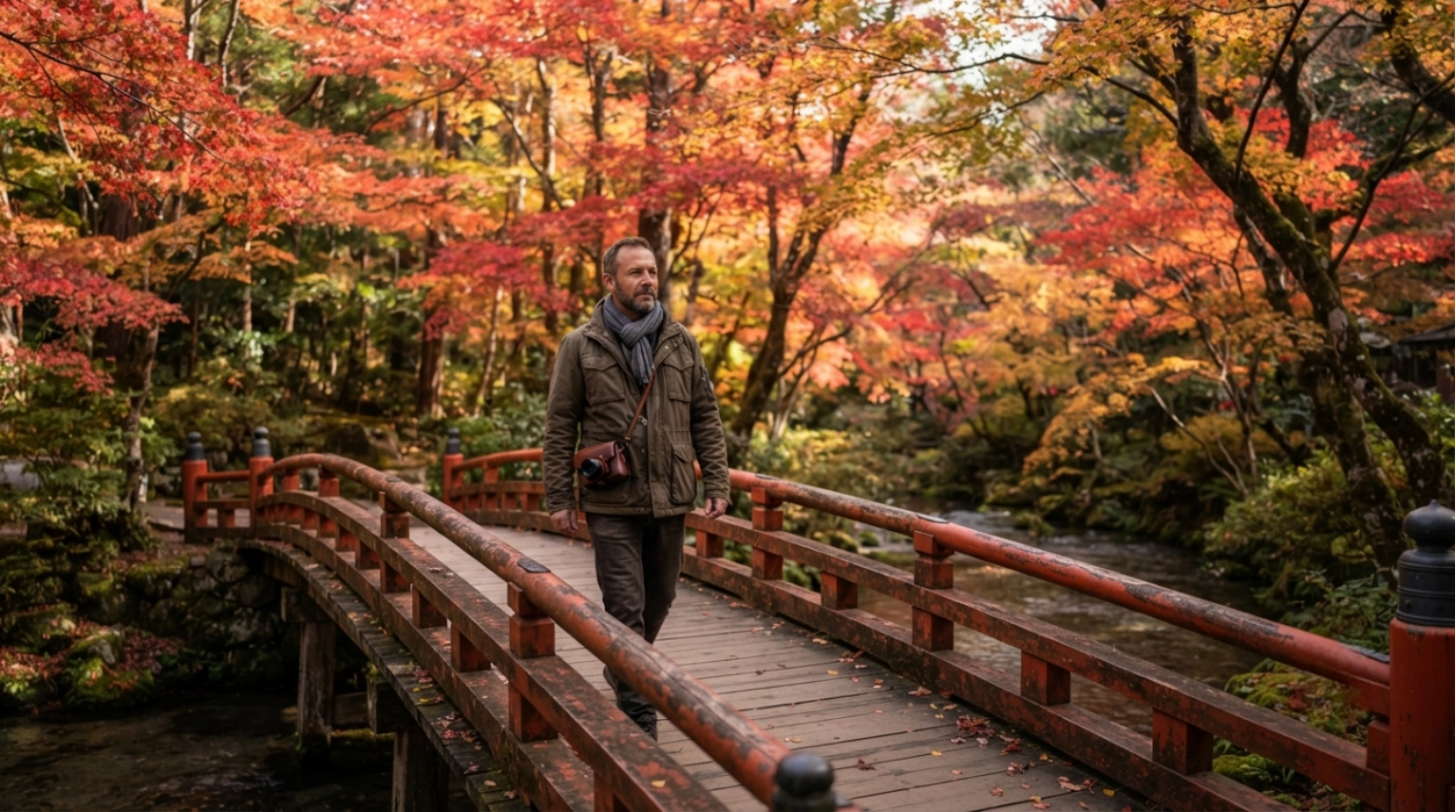
Late October through early December brings autumn foliage that rivals the cherry blossoms for beauty with a fraction of the visitors, and the crisp weather is ideal for walking. May after Golden Week and the shoulder weeks of early June are similarly pleasant. Winter offers the lowest prices, the clearest views of Mount Fuji, and the full glory of the onsen hot spring tradition, which we explored in our story on the Japanese Alps and their historic hot spring villages. Summer is the season to avoid if heat and humidity wear on you, since July and August are genuinely punishing in the cities.
Planning the Comfortable Version
The classic first trip pairs Tokyo and Kyoto by bullet train, and the format suits a relaxed pace beautifully. Base four or five nights in each city rather than hopping nightly, use the rail system for day trips, and ship your luggage between hotels using the takkyubin delivery service, a beloved Japanese institution that moves your suitcase door to door overnight for about $15 so you ride the train with only a day bag. Reserve seats on the shinkansen, which are spacious with generous legroom, and consider the Green Car upgrade, Japan’s first class, which costs modestly more and guarantees a quiet ride.
English signage in stations and trains is thorough, and the official tourism office at Japan National Tourism Organization publishes excellent route and accessibility guidance. For rail passes and point to point fares, check current prices at Japan Guide, since the national rail pass rose sharply in price and no longer pays off for every itinerary the way it once did.
The Details That Make the Difference
A few practicalities smooth the trip considerably. Carry some cash, since Japan remains fonder of it than most modern economies, though cards now work nearly everywhere tourists go. Pack slip-on shoes, because temples, traditional restaurants, and ryokan all involve removing them, and your future self will thank you for skipping the laces. Learn the magic of the basement food halls, called depachika, where dinner assembles itself gorgeously on nights you’d rather eat in. And build one onsen town into the itinerary, such as Hakone between Tokyo and Kyoto, where an evening soak with mountain views delivers the restorative Japan that photographs never quite capture.
One couple we heard from budgeted for their long-postponed Japan trip expecting European prices and came home having spent a third less than their last trip to Italy, already planning the return. For more strategies that stretch comfort and dollars on long-haul trips, our guide to genius travel hacks for older international flyers pairs perfectly with a Japan itinerary. The country you’ve been saving for later has quietly become the smart trip to take now.

Written by the
ZestYears Editorial Team