
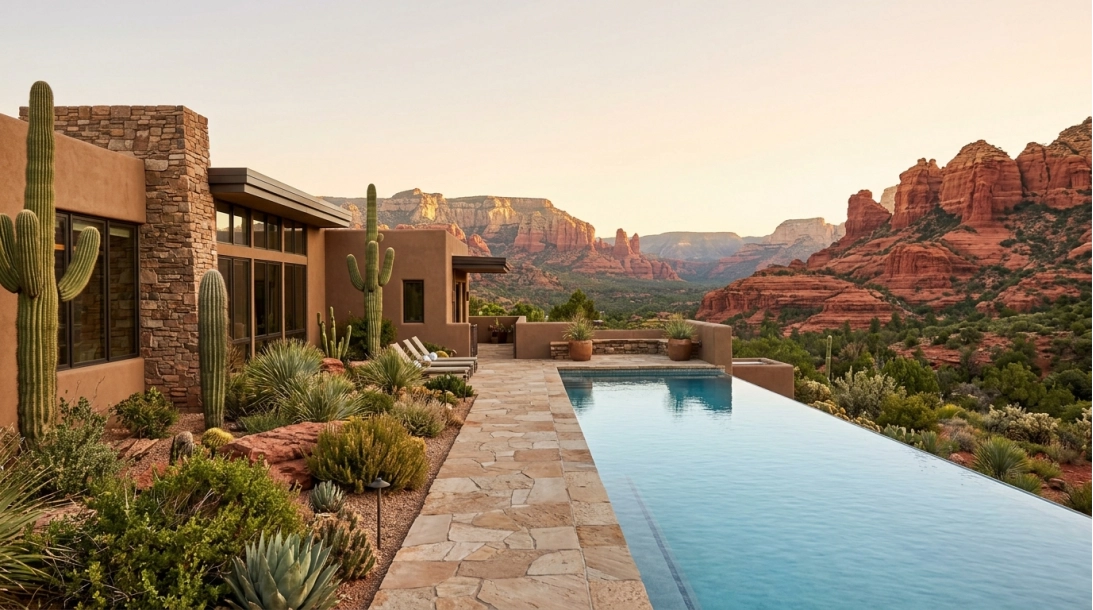
Wellness tourism has grown into a market approaching a trillion dollars worldwide, and its American capital is unquestionably the desert Southwest. The new wave of wellness resorts in the Southwest goes far beyond massages and cucumber water, offering longevity assessments, sleep programs, guided canyon hikes, and equine therapy against some of the most restorative scenery on the continent. Travelers over 50 are among the fastest growing wellness travel demographics, and the industry has finally noticed, building programs around mobility, strength, and healthy aging rather than boot camp punishment. Here’s what the current generation of desert retreats actually offers and how to pick one that fits.
Why the Desert Works
There’s a reason spa culture concentrated in Arizona and New Mexico rather than, say, Ohio. The high desert delivers 300 plus days of sunshine, dry air that’s kind to joints, dramatic landscapes that make walking irresistible, and a long tradition of healing retreats dating back to the tuberculosis sanatoriums of the early 1900s. Modern research keeps validating what those early health seekers intuited, which is that time outdoors in beautiful places measurably lowers stress hormones and improves sleep. The best desert resorts are essentially delivery systems for that effect, wrapping hiking, thermal soaking, good food, and early nights into a schedule that resets your habits in a week.
The Icons: Canyon Ranch and Miraval
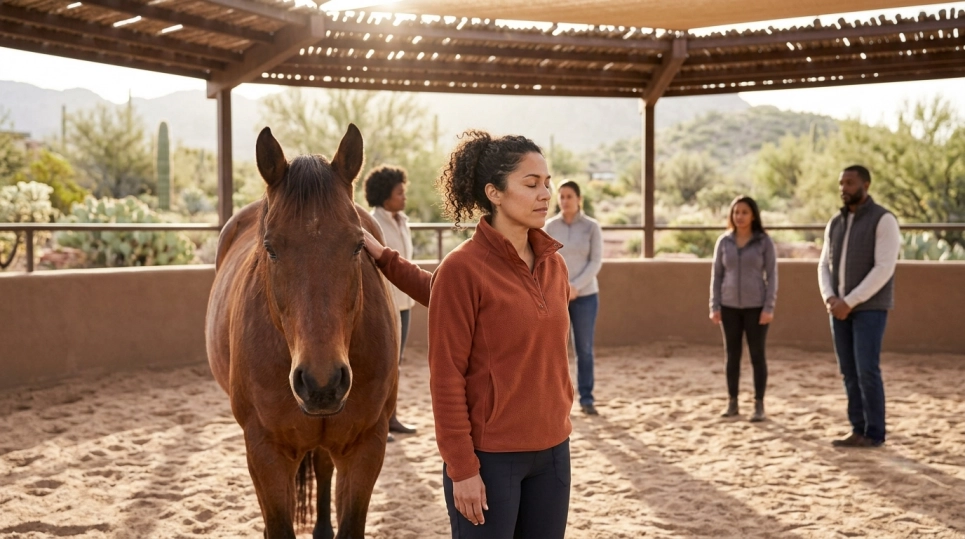
Tucson hosts the two most established names in American wellness. Canyon Ranch pioneered the destination wellness resort in 1979 and remains the most medically serious option, with physicians, exercise physiologists, and nutritionists on staff and programs that can include everything from bone density strategy to balance training, the kind of practical work that pays dividends for decades. Miraval takes a more contemplative approach built around mindfulness, with its famous equine program, aerial yoga for the adventurous, and a strict no phones policy in public spaces that guests initially resist and ultimately rave about. Both are all inclusive, with rates typically starting around $1,500 per night for two including meals, activities, and service charges, plus allowances toward spa treatments. That’s serious money, and the honest advice is that three or four nights captures most of the benefit for a first visit.
The New Wave and the Value Plays
The interesting story is what’s happening beyond the icons. Sedona has evolved into a wellness town in its own right, where you can assemble a self directed retreat from independent studios, red rock trailheads, and spa hotels at half the all inclusive price. Ojo Caliente in northern New Mexico wraps lodging around hot mineral springs that Indigenous peoples have used for centuries, with soaking pools of varying mineral content, mud baths, and rates that make a three night restorative stay achievable under $1,000. Castle Hot Springs in Arizona and a crop of new longevity focused properties are pushing the high end further, with biometric testing and personalized programs, while ranch based retreats blend wellness programming into working desert ranches. If soaking is the part that appeals most, our roundup of hot spring destinations pairs well with our story on the Japanese Alps and their onsen villages, proof that the thermal tradition is global.

How to Choose, and How to Get Your Money's Worth
Match the resort to your actual goal. If you want a health tune up with takeaways your doctor will appreciate, choose the medical model and book consultations early, since specialist slots fill first. If you want to unwind a stressed mind, choose the contemplative model and resist overscheduling, because an afternoon by the pool is part of the program, not a waste of it. If you mainly want beautiful days outdoors with comfort at night, the Sedona style self directed version delivers at a fraction of the cost. Whichever you choose, go in shoulder season, October through November or March through April, when desert weather is perfect and rates dip below the winter peak. Book treatments and specialty classes before arrival, ask specifically about programs for bone health, balance, and joint friendly movement, since the good resorts now excel here, and plan a quiet first day at elevation properties. Most of all, treat what you learn as a starter kit rather than a souvenir. The guests who get the full value are the ones still doing the morning stretch routine six months later, and if you’d like to extend the desert stay into something longer, our piece on staying longer in one place explains why a slow second week in Sedona might be the best prescription of all.

Written by the
ZestYears Editorial Team