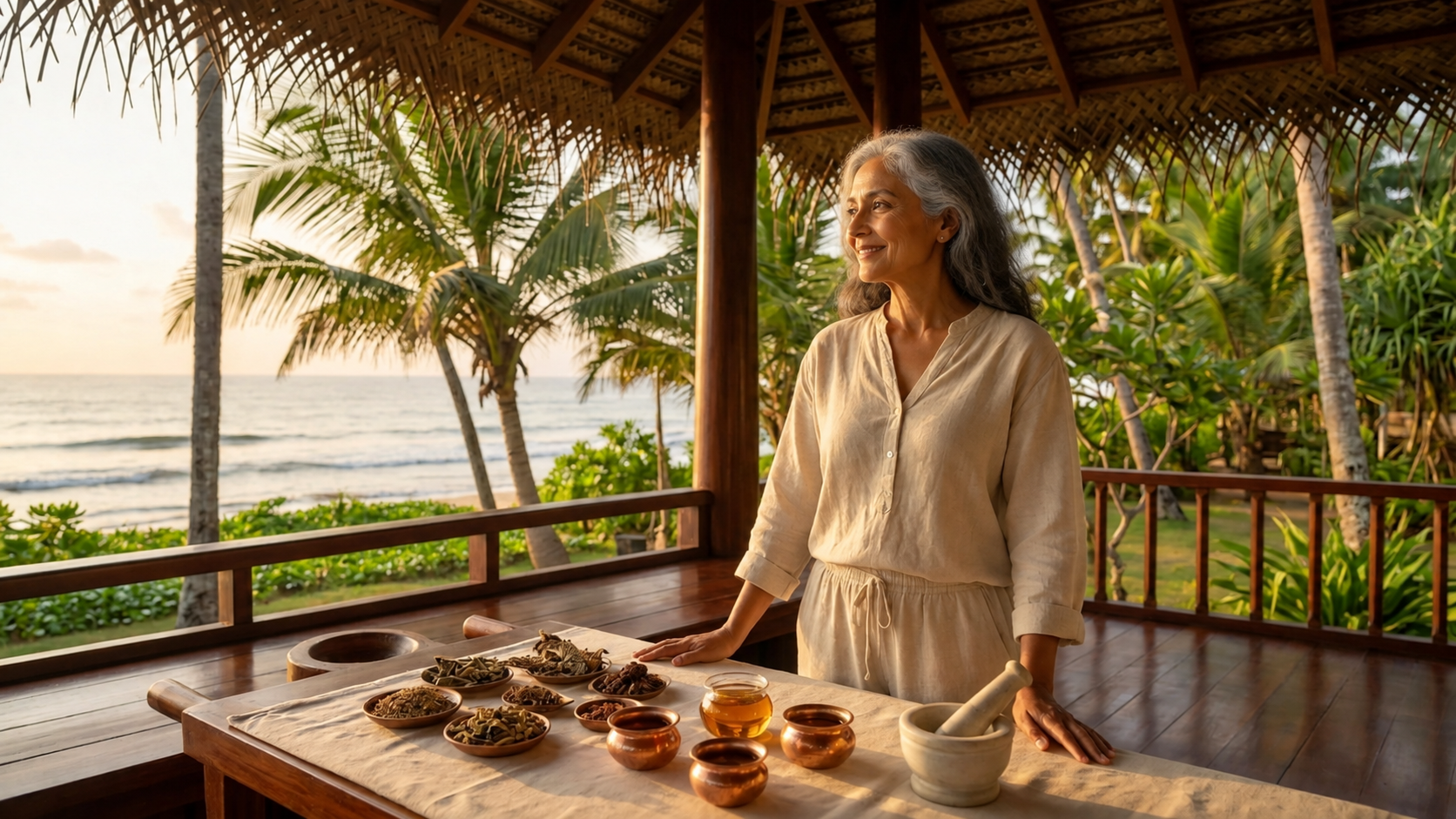
Every year one destination captures the wellness travel imagination, and this year it’s unmistakably the teardrop island off India’s southern tip. A Sri Lanka wellness retreat now sits high on many travelers’ lists, driven by the island’s 3,000-year Ayurvedic tradition, its post-recovery tourism renaissance, and prices that undercut comparable retreats in Bali or Thailand by a wide margin.
For travelers who’ve watched the wellness world’s pivot toward longevity and authentic healing traditions, Sri Lanka offers the real source material rather than the resort-spa imitation. But an Ayurvedic retreat is a genuinely different kind of vacation, and knowing what you’re signing up for separates the travelers who come home transformed from the ones who come home confused. Here’s the honest briefing.
What an Ayurvedic Retreat Actually Involves
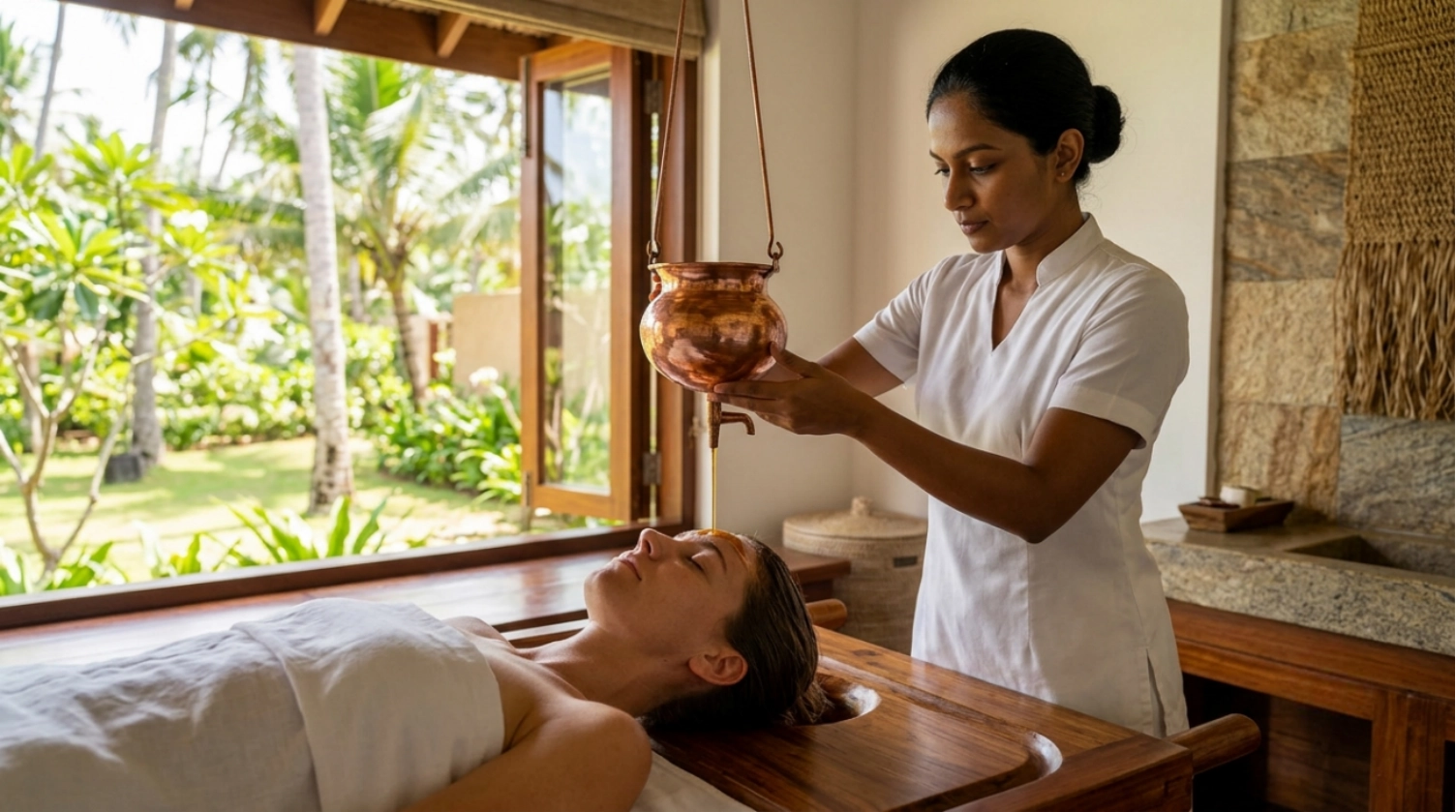
Ayurveda is a complete traditional medical system, not a spa menu, and authentic retreats run on its logic. Your stay begins with a consultation where an Ayurvedic doctor assesses your constitution and concerns, then prescribes a personalized program of daily treatments, herbal preparations, and meals designed for your specific profile. Days follow a gentle rhythm: morning yoga or meditation, one or two treatment sessions such as the signature warm-oil therapies, prescribed meals that are plant-forward, spiced, and surprisingly delicious, and considerable rest, which the doctors consider part of the medicine.
Alcohol is typically absent, coffee often discouraged, and the pace deliberately slow. Guests who arrive expecting a beach resort with massages find the structure jarring, while those who arrive for the structure describe sleeping better than they have in years and returning home with sustainable habits. Programs run from gentle relaxation courses to intensive panchakarma cleanses, and first timers should choose the gentler end, with seven nights the sensible minimum and fourteen the length practitioners recommend for real effect.
Choosing a Retreat and What It Costs
Quality varies enormously, so vet three things: resident Ayurvedic doctors rather than visiting consultants, individualized treatment plans rather than fixed menus, and licensed status with Sri Lanka’s health authorities. The established retreat coast runs along the southwest between Bentota and Tangalle, where dedicated Ayurveda resorts sit on palm-lined beaches, while newer boutique properties in the hill country around Ella and Kandy pair treatments with cool air and tea-plantation views.
All-inclusive programs, covering consultations, treatments, meals, and lodging, typically run $150 to $400 per person per night, remarkable value against the $1,000-plus nightly rates of comparable Western wellness resorts. The island’s official portal at Sri Lanka Travel lists licensed Ayurveda providers, and the CDC’s Sri Lanka traveler page covers recommended vaccinations and health precautions worth reviewing with your doctor before booking, particularly since retreat programs may interact with medications you take, a conversation to have with both your physician and the retreat’s doctors in advance.
Building the Trip Around the Retreat
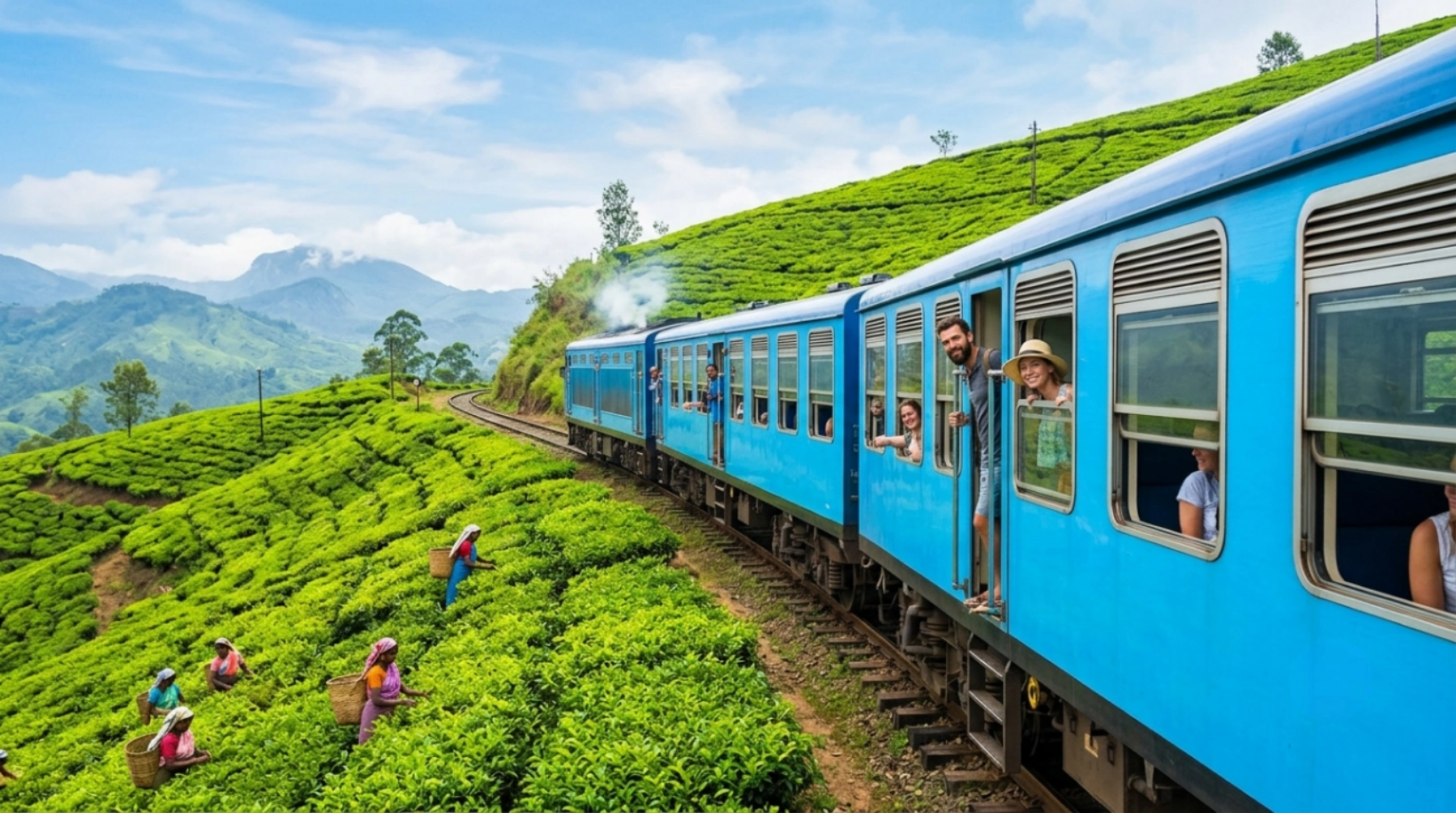
Sri Lanka packs an entire subcontinent’s variety into an island the size of West Virginia, and the smart itinerary bookends the retreat with a week of gentle touring. The classic circuit runs from the cultural triangle’s ancient cities and the astonishing rock fortress of Sigiriya through the hill country’s tea estates, ideally including the famous train ride from Kandy toward Ella, regularly ranked among the world’s most beautiful rail journeys, before descending to the southern beaches and your retreat. Leopard and elephant safaris in Yala or Udawalawe national parks add a wildlife day that rivals Africa at a fraction of the logistics.
Hiring a car with a driver is the standard and surprisingly affordable way to tour, roughly $50 to $80 daily including the driver’s expertise, which removes every navigation worry. January through April is the dry, bright season for the south and west coasts where most retreats sit.
Is It Right for You?
A Sri Lanka wellness retreat suits travelers who want their vacation to leave them measurably better, who are curious rather than skeptical about traditional practices, and who can surrender scheduling control for a week. It suits couples where both partners buy in, and it particularly rewards solo travelers, who report the communal meals and shared rhythm create easy companionship, consistent with everything we’ve written about the surge in solo travel over 55.
Comprehensive travel insurance with medical evacuation coverage is non-negotiable for a destination this far from home, as our guide to travel insurance essentials for international explorers details. Go with reasonable expectations, a two-week window, and a willingness to be told to rest, and you’ll understand why the wellness world’s attention has swung to the island where these traditions began.

Written by the
ZestYears Editorial Team