
You may have already noticed your eating habits shifting.
Meals feel simpler and more intentional, not because you are trying to restrict yourself, but because you are naturally gravitating toward what feels better. You might be eating a bit less overall, yet somehow feeling more satisfied and sustained throughout the day. Dieting is still everywhere, but what often matters more now is steady energy, staying full, and keeping your strength up through the day.
Instead of thinking about what to cut out, more people are starting to think about what to include, focusing on foods that actually support how they want to feel. This is not about following a new set of rules. It is about eating in a way that works for your body now. And for many people over 55, that shift starts to feel less like a choice and more like what actually works in real life.
What’s Changing in How We Eat

What you are noticing is not just personal. It reflects a broader change in how people are approaching food and health.
New data shared by CookUnity shows that nearly 4 in 10 meal orders now include at least one meal designed to support metabolic health and appetite regulation. More than 83% of those meals are centered around protein, with poultry and seafood leading the way.
That shift lines up with what many people are experiencing. Meals that are too light leave you hungry. Meals that are heavy in refined carbs can leave you sluggish and looking for another quick fix soon after. As a result, people are naturally recalibrating their plates, not by following strict diets, but by noticing how different foods make them feel and adjusting accordingly.
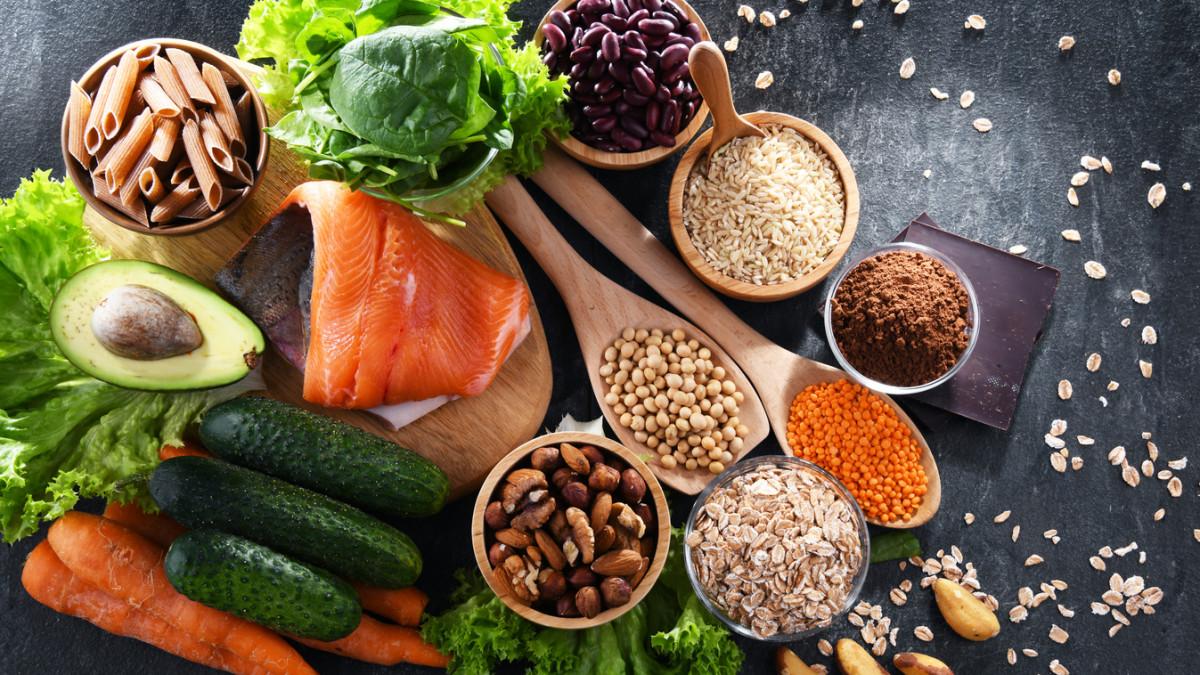
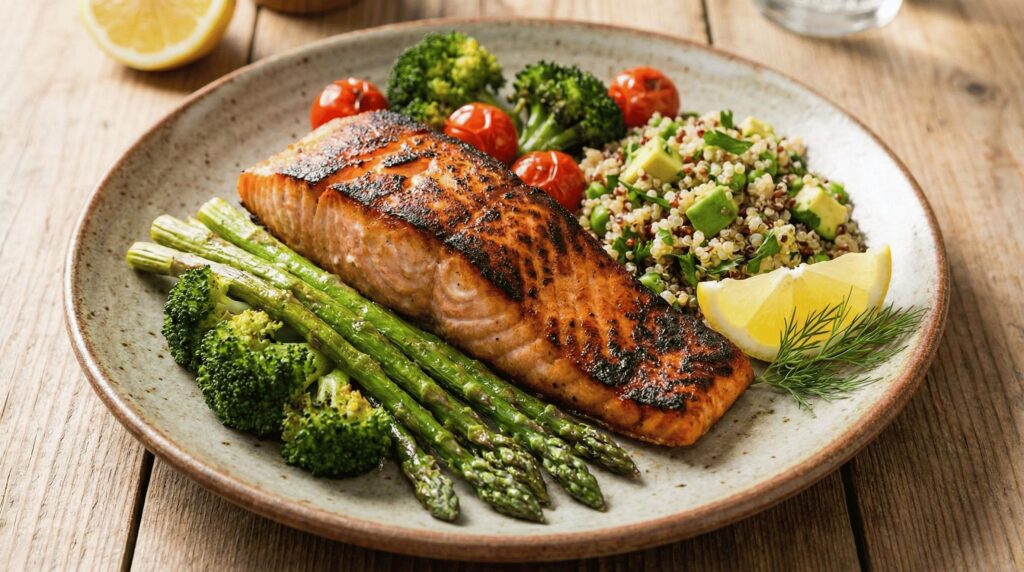
Grilled salmon with vegetables. Chicken with quinoa and roasted vegetables. Eggs with avocado. Greek yogurt with berries and nuts. Lentils or beans paired with whole grains.
These are not “diet foods.” They are meals that hold you.
Why This Starts to Matter More With Age
As you get older, your body responds differently to what you eat.
Muscle declines more easily. If you are not getting enough protein, that loss adds up over time and can quietly impact your strength and mobility. Less muscle can mean lower metabolism, more fatigue, and even a higher risk of falls.
Blood sugar can swing more than it used to. Meals high in refined carbs may lead to spikes and crashes that show up as low energy, irritability, or the need to snack again soon after eating. Digestion can slow down as well, which is why fiber starts to matter more than ever.
Meals built around protein, fiber, and whole foods tend to feel better because they support how your body is working now. Research from the Mayo Clinic highlights the importance of protein intake and balanced nutrition for maintaining muscle mass, energy, and overall health as we age.
You may not be tracking these changes on paper, but you can feel them in real time, in your energy, your focus, and even your mood throughout the day.
It’s Not About Eating Less Anymore
For a long time, eating well was tied to cutting back. Less food. Fewer calories. Smaller portions. That approach can work short term, but it often leaves people tired, hungry, and frustrated, especially as the body’s needs change with age.
What tends to work better now is a shift in mindset, from restriction to support, where the goal is not to eat less, but to eat in a way that helps your body function at its best.
- Meals with enough protein to maintain strength
- Fiber to help digestion and keep you full
- Healthy fats that support brain and heart health
- Foods that taste good so you actually want to keep eating this way
CookUnity’s data also shows that people are not moving toward bland or repetitive meals. Global flavors and diverse cuisines are actually growing in popularity, because they bring both satisfaction and nutritional balance, making this way of eating feel enjoyable rather than limiting.
Where You Start to Notice It
You start to notice it in small, everyday ways.
Breakfast holds you longer, so you’re not back in the kitchen an hour later looking for something else. Lunch doesn’t leave you dragging through the afternoon or reaching for caffeine just to push through.
Instead of feeling like you are constantly managing your hunger, you begin to feel more steady, more consistent, and more in control of your energy. By the end of the day, you still have something left. Running errands feels manageable. Going for a walk feels like something you want to do, not something you have to push yourself into.
Even simple things like carrying groceries or getting up off the floor feel steadier. It’s not dramatic. It just feels easier, and that’s usually the first sign that what you’re eating is starting to work for you.
When Food Becomes Part of Your Health Plan

At some point, the conversation around food starts to change. It is no longer just about what you like or what fits into a diet. It becomes part of how you manage your health day to day.
That might start with something small. A doctor mentions protein after a checkup. You begin paying closer attention to blood sugar. You notice that certain meals leave you feeling better than others.
From there, the connection becomes clearer.
Meals that include enough protein help maintain muscle, which supports balance, strength, and mobility. Fiber helps with digestion and keeps things regular. Balanced meals can help avoid the spikes and crashes that make you feel off.
This shift is also happening at a larger level in healthcare. Nutrition is no longer treated as separate from medical care, but as a core part of prevention and long-term health management.
CookUnity reports that meals connected to healthcare programs have grown by more than 500% year over year. That reflects a broader shift where nutrition is being used alongside traditional care, not separate from it.
Institutions like the Cleveland Clinic are already using food-based approaches to support long-term health, especially for managing weight, blood sugar, and chronic conditions.
In real life, this does not look complicated. It looks like choosing meals that keep you steady instead of leaving you drained. Eating in a way that supports your strength instead of working against it. Over time, those small choices add up. And that is when food stops feeling like something separate from your health, and starts becoming part of how you take care of it every day.
Where to Start
Start with a few simple shifts. Build your meals around a protein source like fish, chicken, eggs, yogurt, beans, or tofu. Add vegetables or whole grains for fiber. Include healthy fats like olive oil, nuts, or avocado. Most of all, choose meals that leave you satisfied, not searching for something else an hour later.
These are small adjustments, but they change how your day feels. This is not about chasing another trend. It is about eating in a way that supports your energy, your strength, and your day-to-day life.
When your meals start to do that, everything else gets easier. Your energy holds. Your body feels more reliable. Your routine feels more manageable. And that is what makes it last.
If you want more ideas and guidance, explore our article on Food as Medicine.
This content is for informational purposes only. Always consult your healthcare provider before making changes to your diet, exercise routine, or health care plan.
Meet the contributor