Senior woman eating a healthy meal

Food as Medicine: How Eating Well Supports Health at Any Age

You already know food affects how you feel. You feel it when a heavy meal leaves you sluggish or when a balanced one gives you steady energy that carries you through the day. What has changed is how clearly science and healthcare now connect those everyday experiences to long-term health.

Food as medicine is no longer a buzzword. It is a science-backed approach that uses everyday meals to support energy, manage chronic conditions, and improve overall wellness at any age.

Why Food as Medicine Is Gaining Momentum in Healthcare

“Food as medicine refers to using food as a tool to prevent or manage health conditions that are impacted by diet,” explains Kristy Del Coro, MS, RDN, LDN, Culinary Nutritionist for CookUnity. “It represents a more holistic and proactive approach to wellness, one that considers whole-body health rather than treating symptoms alone.”

Kristy emphasizes that food does not replace medication. Instead, it complements clinical care and supports better outcomes over time.

This shift is driven by both research and reality. According to the CDC, nearly 60 percent of U.S. adults live with at least one chronic condition, many of which are influenced by diet, including heart disease, type 2 diabetes, and hypertension.

At the same time, healthcare costs continue to rise, and there is a growing focus on prevention, independence, and quality of life. Programs such as medically tailored meals, produce prescriptions, and teaching kitchens are expanding because they help people stay healthier while reducing hospitalizations.

A study published in JAMA Network Open found that medically tailored meals significantly improved food security and diet quality among adults with chronic illness, reinforcing that nutrition support works when it is consistent and accessible.

When Energy and Focus Start to Slip

You may recognize this. You wake up tired even after sleeping well. By mid-afternoon, your energy drops, and cravings kick in. Blood work comes back “not alarming,” but you do not feel like yourself.

This is often where food as medicine begins. Not with a diagnosis, but with patterns. Blood sugar swings, low fiber intake, and missing nutrients can quietly affect energy, focus, and mood long before they show up as disease.

Kristy explains that consistent, balanced meals can stabilize energy and reduce fatigue. Meals that include fiber, protein, healthy fats, and key micronutrients help the body work more efficiently, which becomes especially important as metabolism and recovery change with age.

Chronic Conditions That Can Improve With the Right Nutrition

A growing body of research shows that food-as-medicine approaches can play a meaningful role in supporting people living with chronic conditions, particularly when nutrition is tailored to specific health needs. Studies on medically tailored meal programs have found that when meals are designed to align with clinical nutrition guidance, people managing conditions such as heart disease, type 2 diabetes, kidney disease, and inflammatory disorders are far more likely to follow dietary recommendations consistently. Higher adherence is associated with improved diet quality, better symptom management, and greater day-to-day stability.

A clinical pilot conducted in partnership with the University of Vermont examined the impact of fully prepared, nutritionally aligned meals for individuals facing food insecurity while managing complex health challenges. The study reported notable reductions in food insecurity alongside strong adherence to prescribed nutrition plans, highlighting how access to appropriate, ready-to-eat meals can support chronic condition management by removing barriers such as fatigue, cost, and uncertainty about what to eat.

These findings align with guidance from leading health organizations including the World Health Organization, the American Heart Association, the American Diabetes Association, and the American Institute for Cancer Research, all of which recognize nutrition as a foundational tool in preventing complications and supporting long-term management of chronic disease.

3 Underrated Foods That Support Long-Term Wellness

Rather than focusing on trendy superfoods, Kristy encourages paying attention to nutrients many Americans consistently fall short on.

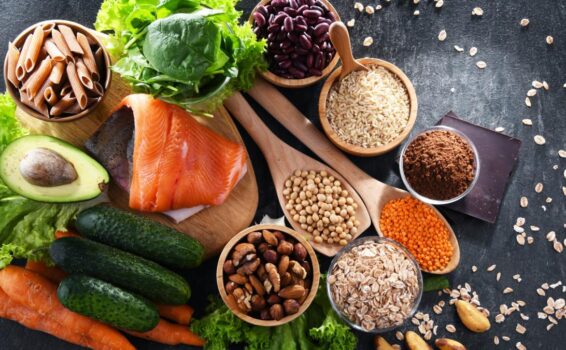
Beans and legumes provide plant-based protein, fiber, iron, potassium, and magnesium. They support heart health, digestion, and blood sugar balance.

Ancient grains such as farro, quinoa, bulgur, and amaranth are absorbed more slowly than refined grains and have a gentler effect on blood sugar. They also deliver B vitamins, minerals, and beneficial plant compounds.

Seafood remains one of the most underconsumed wellness foods. More than 90 percent of Americans do not meet the recommended intake of two servings per week, according to the Dietary Guidelines for Americans. Seafood provides omega-3 fatty acids, vitamin D, vitamin B12, and high-quality protein that support heart and brain health.

Healthy Salmon dinner plate

When Cooking Stops Feeling Manageable

There often comes a point when cooking no longer feels simple or enjoyable. Planning meals, grocery shopping, standing at the stove, and cleaning up can feel draining, especially when you are managing work, caregiving, or health concerns.

Many people know what they “should” eat, but knowing and doing are not the same thing. Fatigue, pain, time constraints, or uncertainty about what supports their health can make even basic meals feel overwhelming. This is a common turning point where people begin to disengage from eating well, not because they do not care, but because the process feels like too much.

This is often where food as medicine becomes most relevant, not as an ideal, but as a practical support.

Medically Supportive Meals Are Not What They Used to Be

One of the biggest misconceptions Kristy hears is that healthy or medically supportive meals are bland, restrictive, or unsatisfying.

Today’s medically supportive meals look very different. Meals are nutritionally aligned while still offering variety, comfort, and bold flavors. Healthy eating no longer has to feel like a compromise.

The outdated image of flavorless hospital food no longer applies. At CookUnity, more than 160 chefs collaborate with physicians and registered dietitians to create meals that support health while still delivering satisfaction, cultural relevance, and enjoyment.

Eating for Health Without Feeling Overwhelmed

Once you recognize that food needs to work for your life, not against it, the next step is simplifying the approach.

Kristy recommends focusing on structure rather than rules. One effective starting point is the plate method. Fill half your plate with non-starchy vegetables. Divide the remaining half between a lean protein and a fiber-rich grain or starchy vegetable. This approach supports balance and blood sugar stability without tracking, measuring, or counting.

If cooking feels intimidating, exhausting, or unrealistic right now, that does not mean healthy eating is out of reach. Many people want to eat in a way that supports their health but do not know where to start in the kitchen or have the energy to plan and prepare meals consistently. In those cases, using a nutrition-backed meal service can be a helpful bridge. Programs like CookUnity’s medically supportive meals are designed to align with clinical nutrition guidance while still offering variety and comfort, making it easier to begin eating in a way that supports your health without added stress or guesswork.

For others, repeating a short list of reliable meals or using simple grocery shortcuts can reduce decision fatigue. The goal is consistency, not perfection. Progress comes from small, repeatable choices that fit your energy, schedule, and health needs.

Signs You May Benefit From a Medically Supportive Eating Plan

Anyone managing a chronic condition such as heart disease, hypertension, type 2 diabetes, chronic kidney disease, or inflammatory disorders may benefit from a more structured nutrition approach.

Other signs include unstable energy, digestive discomfort, confusion about what to eat, or feeling that your current habits no longer support how you want to feel. Working with a registered dietitian can help tailor nutrition to your lifestyle and needs. For those who value convenience and taste, medically supportive meals can offer a realistic way to follow guidance consistently.

Food as a Daily Tool for Better Living

Food as medicine is not about restriction or rigid rules. It is about using food as a daily tool to support your energy, your health, and the life you want to live.

When meals are balanced, enjoyable, and aligned with your needs, food becomes more than fuel. It becomes part of your care and your long-term wellness.

The information in this article is for educational purposes only and is not intended to replace medical advice. Always check with your medical professional or registered dietitian before making changes to your diet, especially if you are managing a medical condition or taking prescription medication.

Meet The Expert

Food as Medicine Dietician

Kristy Del Coro, MS, RDN, LDN is the Culinary Nutritionist for CookUnity and co-founder of the Culinary Nutrition Collaborative. With over 15 years of experience, she bridges clinical nutrition and professional cooking to help people experience food as both nourishment and enjoyment. Kristy works closely with chefs and healthcare partners to develop nutritionally optimized meals and health-focused menus, combining evidence-based nutrition with culinary creativity to support individual health and long-term wellness.

Disclaimer: This page may contain affiliate links. If you choose to purchase through one of these links, we may earn a commission at no additional cost to you. All opinions are our own. Thank you for your support!

Facebook
LinkedIn