If you’ve noticed Big Sky popping up in every travel conversation lately, you’re not imagining it. Searches for a Big Sky Montana vacation have jumped more than 90 percent in the past year, making this once quiet ski town the most booked-up destination in America right now. The obvious question is whether it lives up to the attention, and the honest answer is that it depends entirely on what kind of trip you’re after. Here’s what’s actually driving the boom and how to figure out if Big Sky deserves your travel dollars this year.
What Changed in Big Sky
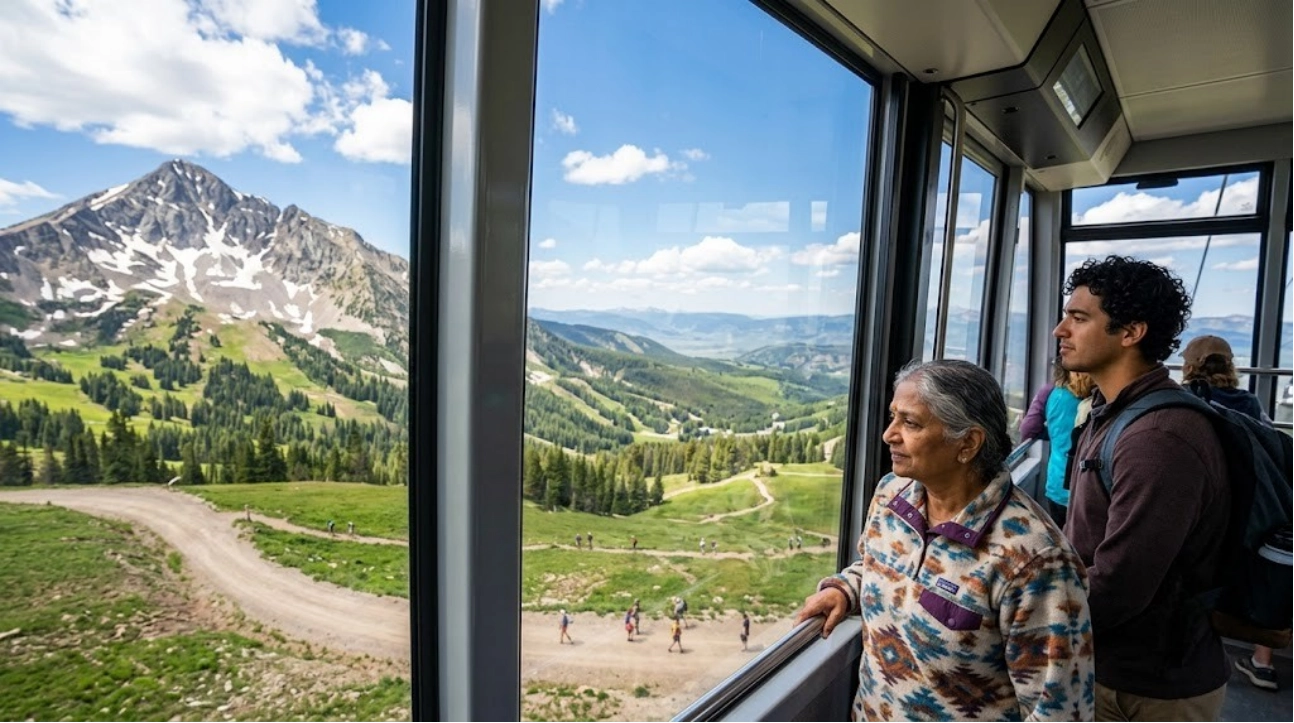
For decades, Big Sky was the place Montana skiers went to avoid the crowds at Jackson Hole. That reputation started shifting when Big Sky Resort poured hundreds of millions into new lifts, including a tram to the summit of Lone Peak that opened the mountain’s most dramatic views to anyone willing to ride a gondola, no skis required. Suddenly a destination built for expert skiers became a place where you could sip coffee at 11,000 feet in the morning and soak in a hot tub overlooking the Spanish Peaks by late afternoon.
The other change is the calendar. Summer bookings in Big Sky now rival winter ones, driven by travelers who want Yellowstone without staying inside the park. Big Sky sits about an hour from the park’s west entrance, close enough for day trips to Old Faithful and the Grand Prismatic Spring, far enough to escape the tour bus scene each evening. Picture this: you spend the morning watching bison graze in the Lamar Valley, then return to a proper dinner and a quiet lodge instead of a crowded park cafeteria. That combination is exactly why so many travelers who swore off national parks in July are giving them another chance.
What a Trip Really Costs
Big Sky is not a budget destination, and it’s better to know that going in. Peak summer lodge rooms routinely run $400 to $700 a night, and winter is higher. The savings play is timing. September brings golden aspens, elk bugling in the valleys, and rates that drop by a third or more once families head home for the school year. June works the same way on the front end of the season, with wildflowers standing in for fall color. If your schedule is flexible, and for many of us that flexibility is one of the genuine perks of this stage of life, shoulder season is when Big Sky makes financial sense. We’ve written before about why shoulder season travel saves money and stress, and Big Sky may be the single best example of the strategy in the American West.
Flying in is easier than most people expect. Bozeman Yellowstone International Airport, about an hour from Big Sky, now has nonstop service from more than 20 cities including New York, Chicago, Dallas, and Atlanta. Rental cars are essential, but the drive down the Gallatin Canyon, where the river tumbles alongside the highway the whole way, is a highlight in itself rather than a chore.
Is It Right for You?
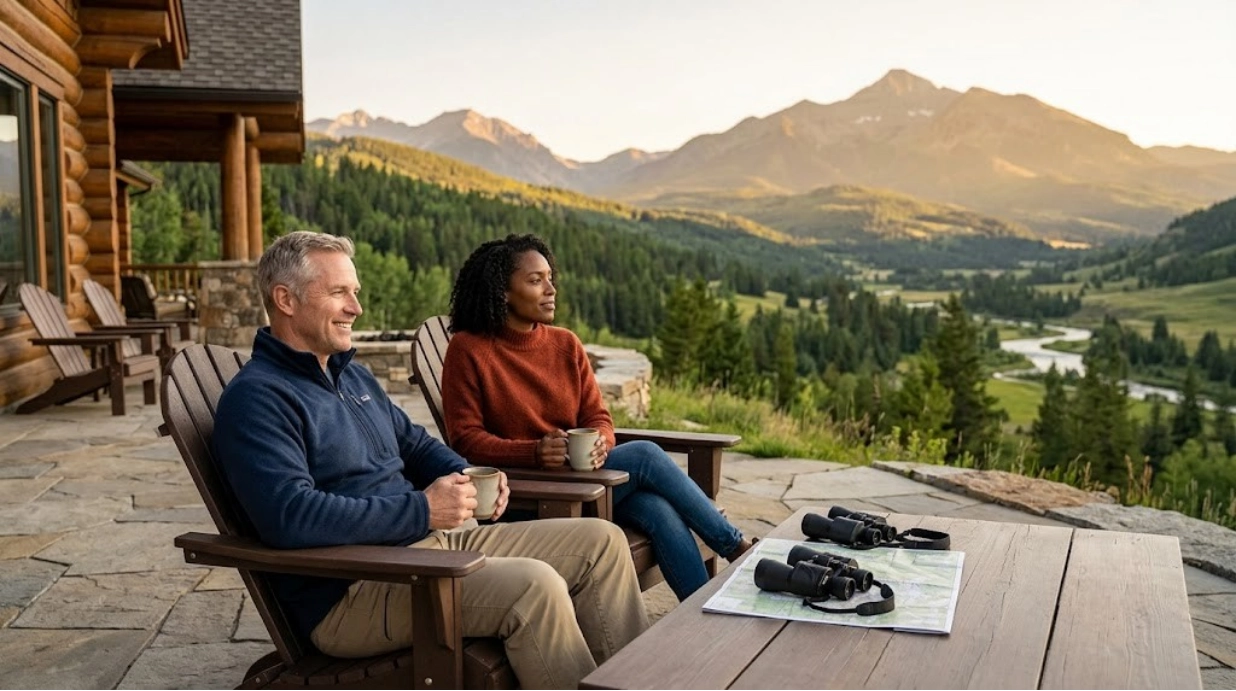
Big Sky rewards travelers who like their nature grand and their evenings comfortable. The hiking ranges from flat riverside strolls to serious summit climbs, and the resort’s scenic lift rides mean spectacular views are available regardless of how your knees feel about switchbacks. Fly fishing on the Gallatin is world class, and local outfitters are accustomed to first timers of every age. What Big Sky does not offer is a walkable historic town. The community is spread across a mountain and a meadow, so if your ideal trip involves wandering charming streets between cafes, you may be happier basing in Bozeman and day tripping.
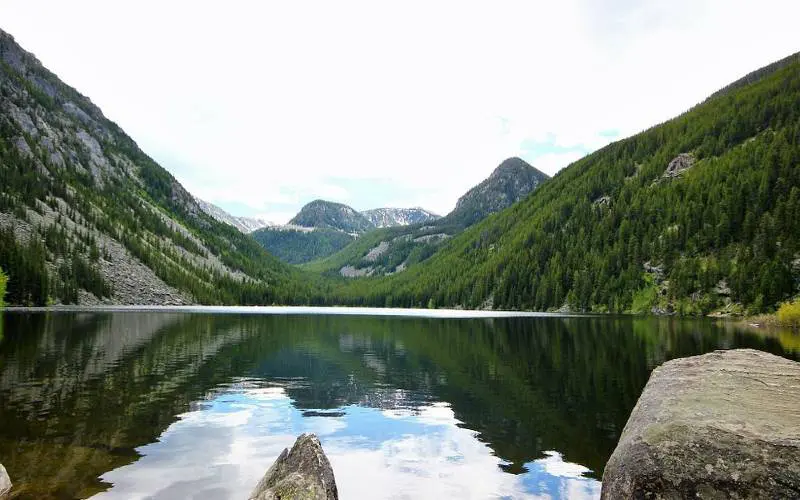
One more consideration is altitude. The Mountain Village sits at 7,500 feet, and it’s worth giving yourself a slow first day, drinking more water than feels necessary, and checking with your doctor if you have heart or lung concerns. None of that should scare you off. It’s simply the kind of practical planning that separates a great mountain trip from an uncomfortable one.
Making It a Longer Stay
The travelers who rave most about Big Sky are the ones who stayed a week or more, using it as a base for Yellowstone, the ghost town of Virginia City, and the hot springs at Bozeman’s edge. Condo rentals with kitchens bring nightly costs down considerably on longer stays, and the pace of the place rewards lingering. If that idea appeals to you, our piece on why staying longer in one place is the smartest trip you’ll ever plan makes the case in detail.
Start your research at Visit Big Sky, the local tourism office, which maintains current lodging and events listings. For Yellowstone day trip planning, the National Park Service’s official Yellowstone page covers entrance passes, road openings, and seasonal closures. And if you’d like the lift and summer activity schedule, Big Sky Resort publishes dates for the tram, scenic lifts, and guided programs each season. Big Sky earned its moment, and with the right timing, it’s a trip that delivers far more than the hype suggests.

Written by the
ZestYears Editorial Team